In a move that Tehran’s leadership insists “strengthens” the Islamic Republic, the country's memorandum of understanding with the United States has been heralded as a triumph. By saying it survived the war without surrendering, the regime interprets the deal as proof that it has emerged from conflict more powerful than before.
The original goal of the Iranian government was not simply to defeat Washington or Israel in conventional military terms, but to finish the hostilities intact—preserving leadership positions and a viable negotiating stance for future dialogue.
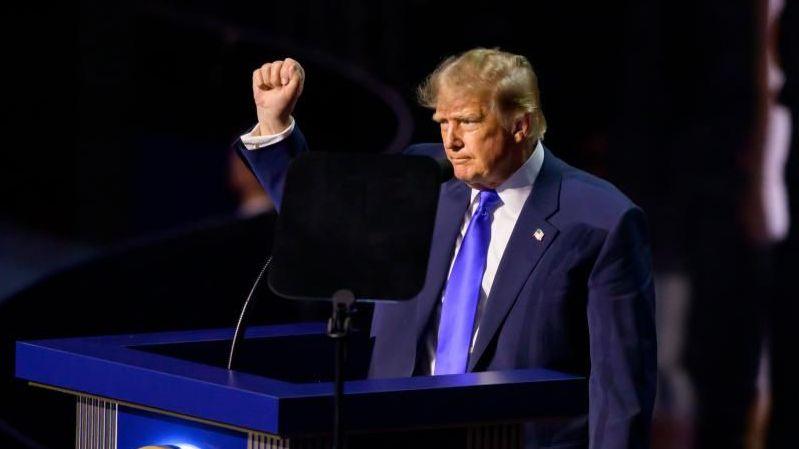
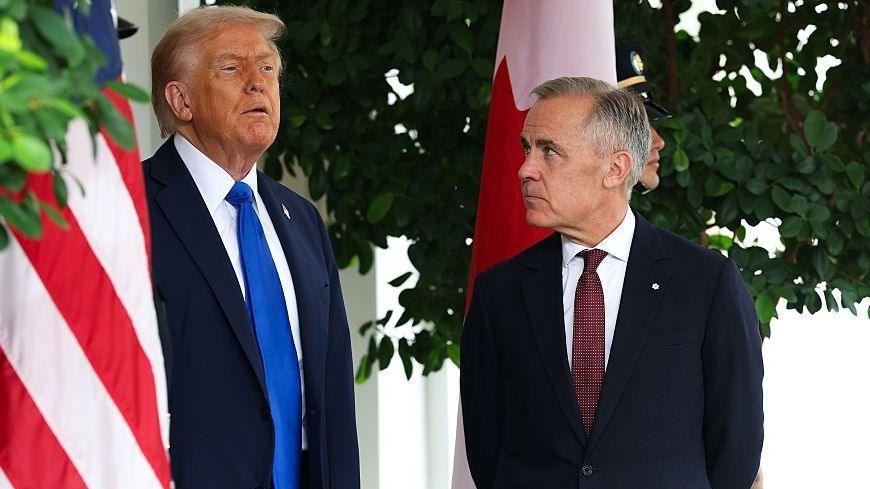
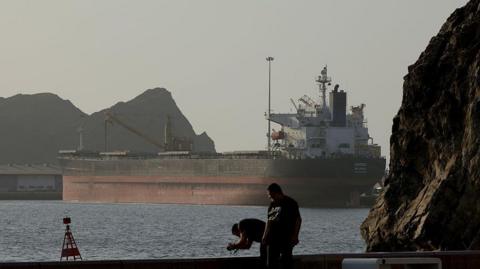
The MoU, signed by former President Donald Trump and Iranian President Masoud Pezeshkian, provides a 60‑day timetable for nuclear negotiations while mandating an immediate ceasefire on all fronts, a reopening of the Strait of Hormuz, and the lifting of the U.S. naval blockade on Iranian shipping.
Under the document, Tehran must secure safe commercial passage through the Hormuz Strait, refrain from pursuing nuclear weapons, and enter talks on the future of its highly enriched uranium and enrichment programme. Meanwhile, Washington will dismantle its naval blockade, release frozen assets, make oil export waivers, lift sanctions, and commit to a $300 bn ($224 bn) reconstruction plan for Iran.
The agreement gives Iranian officials enough propaganda coffers to present it as a victory: sovereignty is acknowledged, sanctions relief is on the table, and reconstruction money is promised. Initial domestic criticism has been muted, but that silence may not last once Tehran’s hard‑line base begins to voice concerns over the deferred nuclear issues.
All major nuclear questions—including how much highly enriched uranium to remove, the scale of the enrichment industry, and the rehabilitation of damaged facilities—are placed on hold, subject to intense negotiation pressure over the next 60 days. Failure to compromise could collapse the ceasefire, while any concession risk being portrayed as a defeat of the earlier “victory.”
Iranian negotiator Mohammad Bagher Ghalibaf, former Guards commander and head of the parliamentary negotiating team, has framed the talks in defiant terms, asserting that he knows how to make Washington understand. This dual audience strategy is aimed at both Tehran’s skeptical domestic base and the U.S., with the former wary of any perceived concession.
Because the 2015 nuclear agreement remains a reference point, Republicans and some Democrats comparing the MoU see it as a worse bargain than the Joint Comprehensive Plan of Action, potentially rewarding Iran with benefits while postponing the toughest nuclear questions. For hardliners at home, however, any standstill can be condemned as a betrayal reminiscent of the 2015 deal’s perceived concessions.
Tehran’s challenge is to keep the narrative of victory alive, ensuring that the domestic audience remains loyal as the negotiations unfold and that the war’s second chapter is avoided by striking away the gap between a proclaimed triumph and the compromises needed to preserve peace.
In essence no compromise can be taken without risking policy clashes or the ceasefire’s durability. The next 60 days will test whether Tehran’s leadership can maintain its strong‑man image while steering the country toward a final deal that satisfies both domestic expectations and international pressures.