US Withholds HIV Aid for South Africa, Sparking a Health Funding Crisis
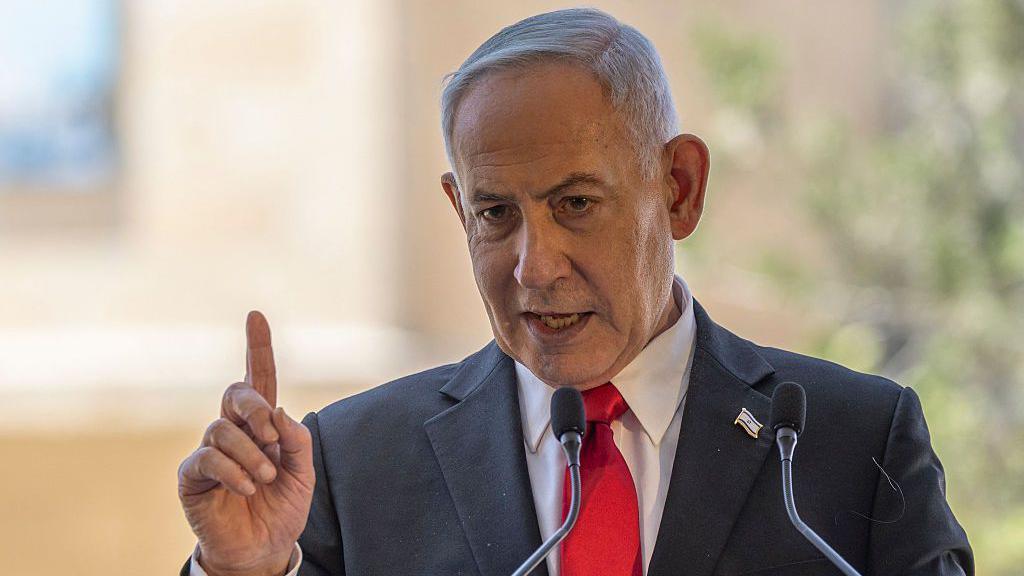
In a move that could put millions of people at risk, the United States announced it will stop funding the President’s Emergency Fund for AIDS Relief (PEPFAR) programmes in South Africa. The decision, which will begin a phased drawdown, follows a series of diplomatic tensions that erupted after former President Donald Trump issued executive orders accusing South Africa of failing to protect white minority communities.

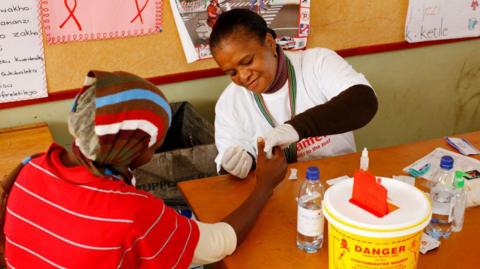
More than eight million South Africans live with HIV, making it the country with the highest number of people living with the virus worldwide. Until 2025, U.S. aid had supplied roughly $400 million a year—about a fifth of South Africa’s total HIV spending—through the PEPFAR framework. The recent release of a “bridge plan” in October promised continued support for an additional year, but the State Department has now confirmed that the funding will be gradually wound down.
South Africa’s Health Ministry says it has been preparing a self‑reliance strategy and that most antiretroviral medication is funded directly by the government. However, analysts warn that the loss of U.S. dollars will severely test the capacity of local clinics and could limit the reach of HIV testing, prevention and treatment programs.
Trump’s executive order, issued early in his presidency, blamed South Africa for dismantling equality policies that supposedly harmed “racially disfavored landowners.” The order also referenced the country’s “white genocide” claim and its connection to Iran, allegations widely debunked by independent research bodies. The U.S. government cited South Africa’s lack of demonstrable progress on requested policy changes as the main reason for the aid reduction, framing the move as a way to foster self‑reliance and reduce dependence on American funding.
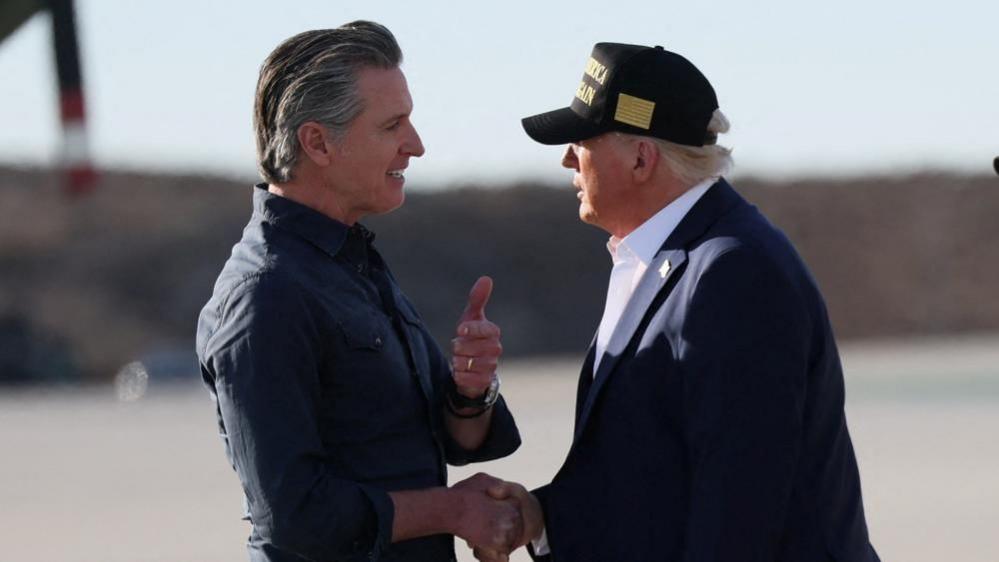
Diplomatic attempts to mend ties have faltered. A high‑profile White House meeting between President Trump and South African President Cyril Ramaphosa ended without a pivot, and the U.S. boycotted the G20 gathering hosted by South Africa in November. Meanwhile, South Africa’s government continues to defend its BEE (Black Economic Empowerment) policies, insisting they are essential to rectify inequalities rooted in the apartheid era.
Learn more about how the funding cut affects South Africa's anti‑AIDS efforts.
Follow SupernewsAfrica for real‑time updates on the ongoing diplomatic saga and its health implications: @BBCAfrica on Twitter, BBC Africa on Facebook and bbcafrica on Instagram.