African & Caribbean Nations Demand Formal Apology & Reparations for Transatlantic Slavery
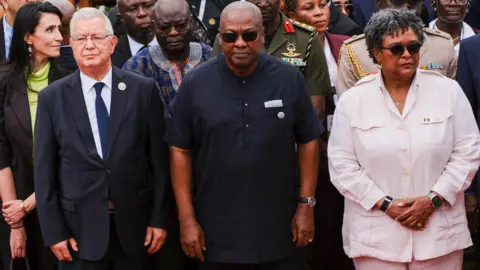
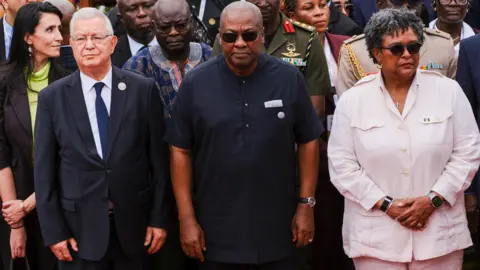
In the heart of Accra, the final day of a three‑day summit turned into a fervent rally, as African and Caribbean leaders called for a formal apology and reparations from countries that benefited from the transatlantic slave trade. The agenda, still a draft in its final form, demanded comprehensive debt relief, restitution for cultural objects stolen over centuries, and the launch of an international reparations fund – though the purse‑strings have not yet been embroidered.
The initiative followed a landmark UN vote in March that declared the transatlantic slave trade the gravest crime against humanity, urging member states to support a reparations pool. Yet the resolution remains non‑binding, a fact that has weighed heavily on the negotiations.
Every year, historians estimate that 12–15 million souls were uprooted from Africa and sold as chattel across the Atlantic, a figure that a single photograph cannot fully convey. The conference’s 19‑point plan, pitched by Ghana’s President John Dramani Mahama, calls for debt relief, cultural restitution and the establishment of a global reparations fund, with particular emphasis on the female victims who suffered unique forms of exploitation.
Ghana’s president underlined the political duty of “inherit responsibility”, while French President Emmanuel Macron added that enslaved people were stripped of humanity and treated as goods. Macron cautioned against painting reparations as a mere financial “cheque” to close the chapter, insisting that true justice must transcend monetary payouts.
Despite such declarations, key Western powers – the United States, Israel and Argentina – opposed the UN resolution, citing moral and legal concerns. Sixteen countries abstained, while the United Kingdom and several EU states, long‑time critics of reparations demands, reiterated that present‑day institutions cannot be held accountable for historical injustices.
No nation has ever paid reparations to the descendants of enslaved Africans or the nations most impacted by the trade; most funds historically went to slave owners rather than the enslaved. The United Kingdom, for example, paid more than $21bn – or £16bn today – to owners in the 1830s after abolishing slavery.
Metaverse‑aided projections now allow virtual participants to walk through the historic Charleston docks and trace supply chains, turning raw statistics into immersive storytelling. By blending digital history with live dialogue, the conference hopes to make the call for justice resonate across both real‑world and virtual communities.
As global discourse unfolds, the African‑Caribbean bloc’s appeal for an unconditional apology signals a deeper shift toward acknowledging collective responsibility – a plea that may shape future policy in the years ahead.