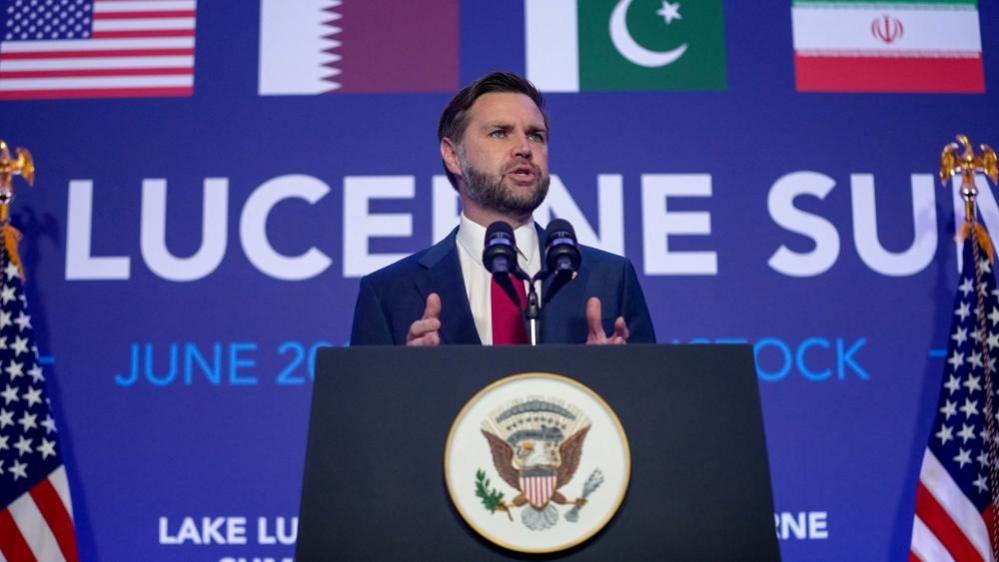
Iran has denied a claim by Vice‑President JD Vance that it will allow nuclear inspectors back into the country, posted after the first round of U.S.‑Iran talks in Switzerland.
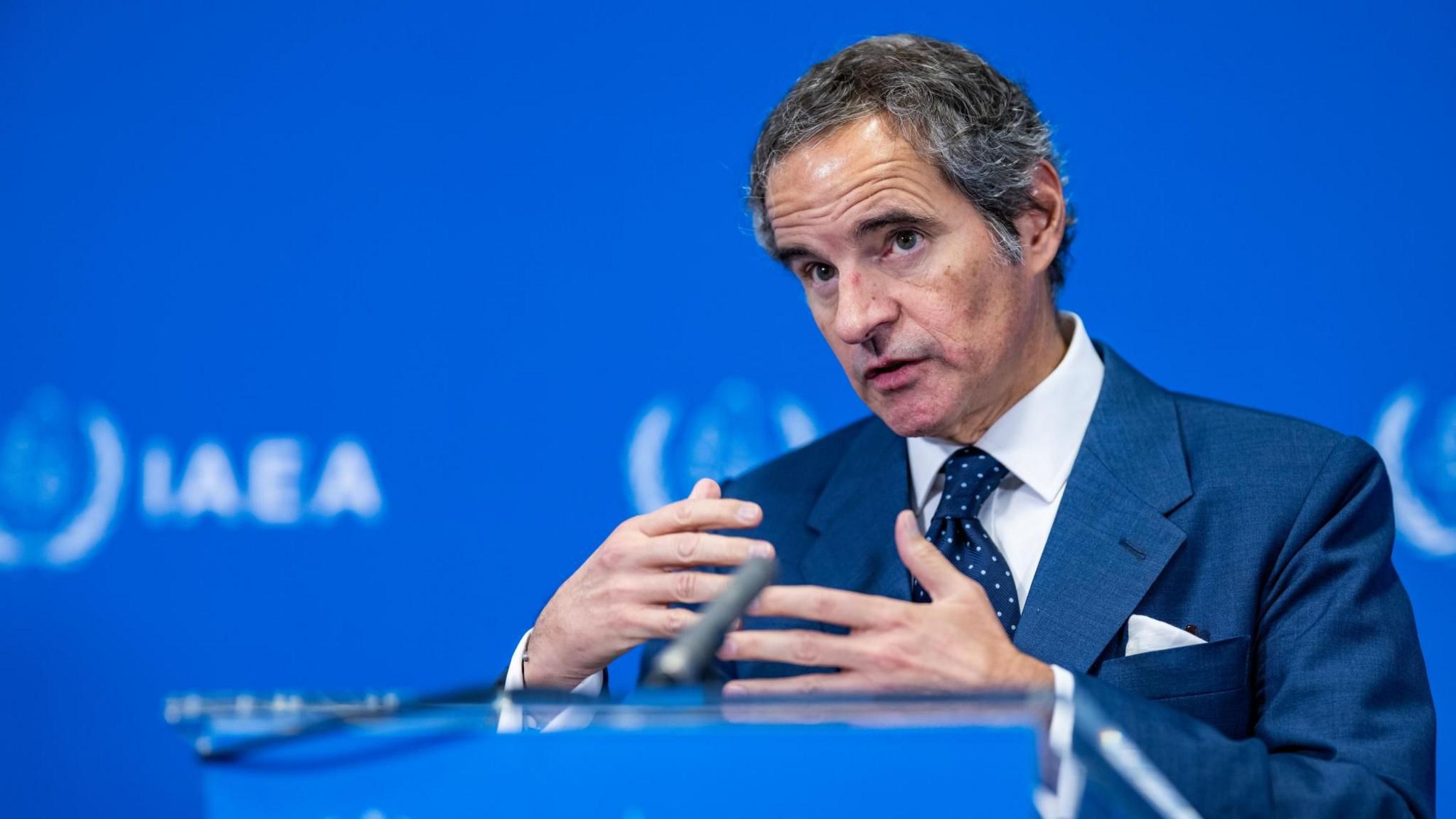
During the summit at the Bürgenstock resort, Vance said discussions with the International Atomic Energy Agency (IAEA) could be underway “as soon as today.” Yet Tehran’s foreign ministry stated it had made “no new commitments” on nuclear inspections, according to state‑media reports.
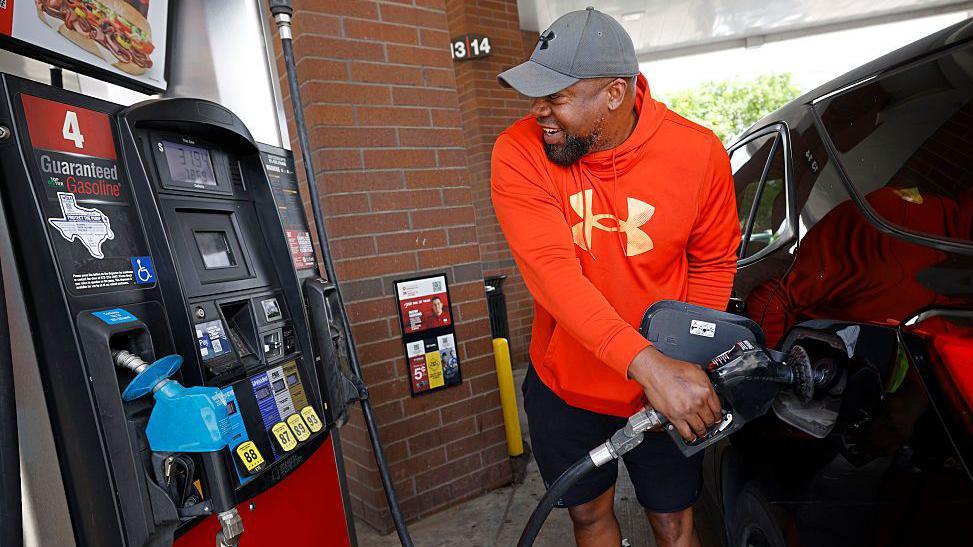
The United States temporarily waived sanctions, enabling Iranian crude and petrochemicals to be sold directly in U.S. dollars for the first time in decades. The 60‑day waiver, issued by Treasury Secretary Scott Bessent, lifts a core pillar of Washington’s embargo that had choked off Tehran’s economy.
Under the temporary licence, Iranian oil can be imported into the U.S., banking transactions can proceed, and insurance and transport links open, sidestepping the complex networks Iran previously used to export crude.
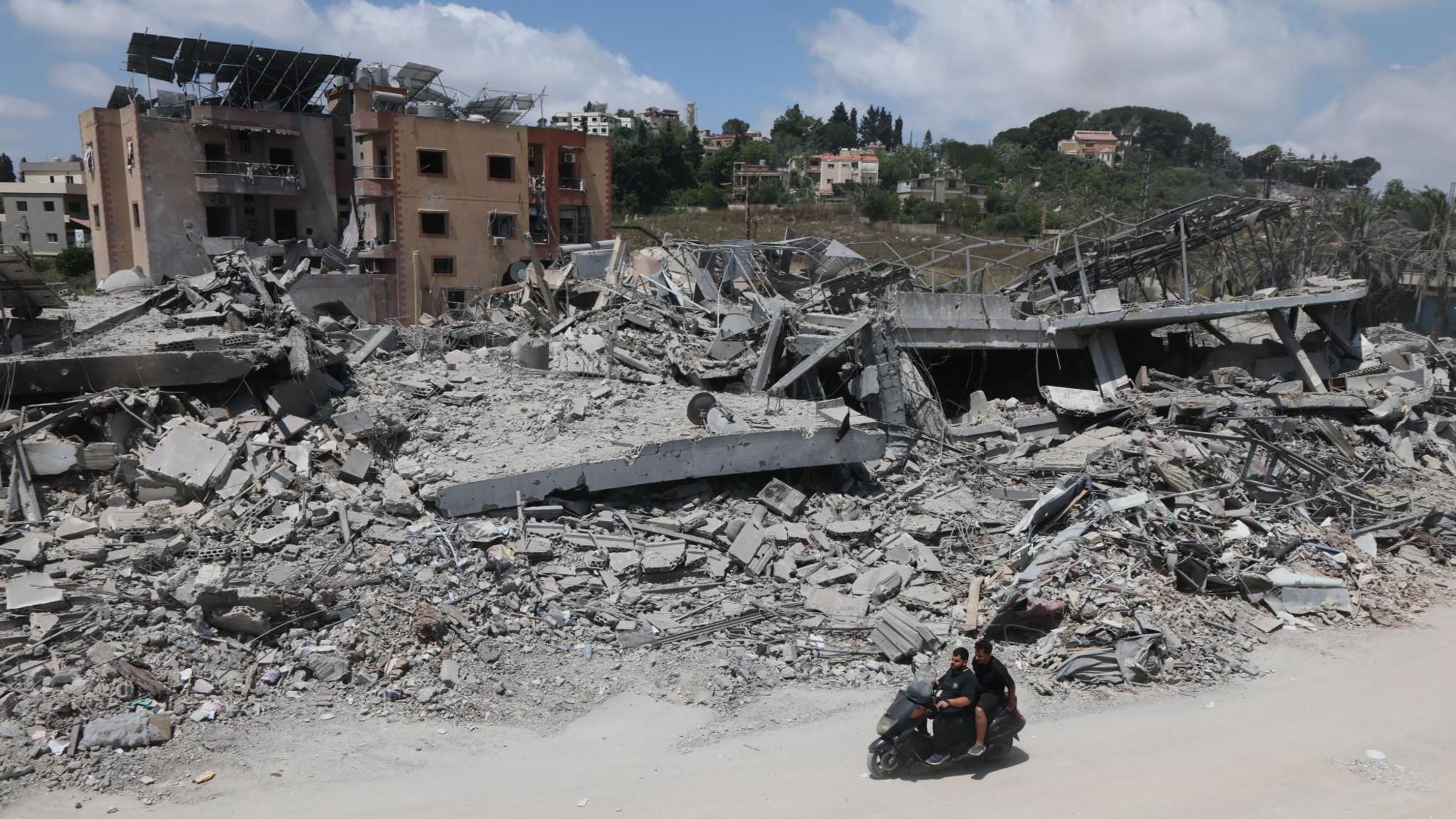
Afghanistan war tensions and a recent ceasefire in Lebanon have added pressure. Iran’s Foreign Ministry spokesman, Esmail Baqai, said any engagement with UN inspectors must follow existing parliamentary procedures, while the IAEA has not yet commented.
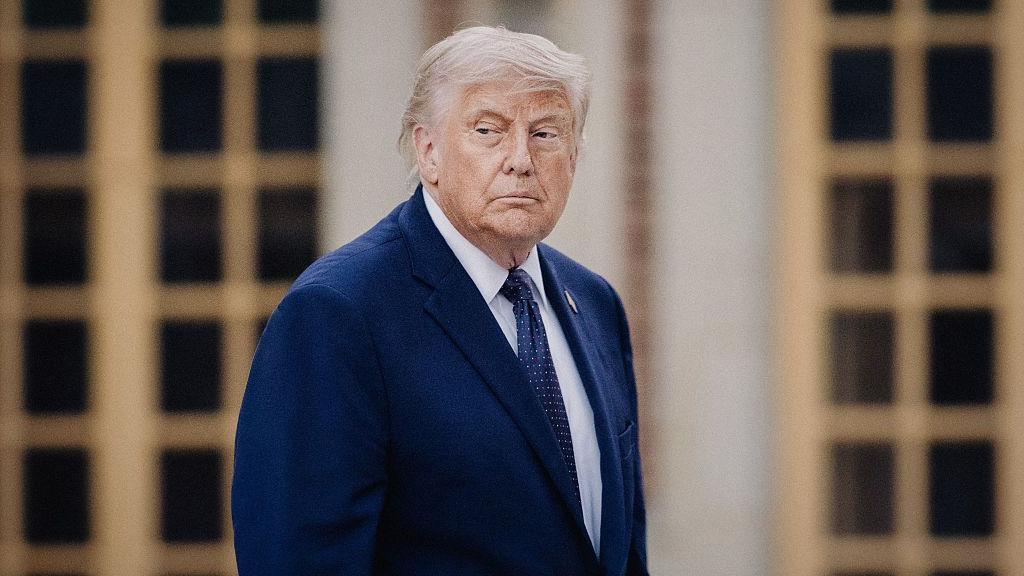
Vice‑President Vance relayed to reporters that the U.S. “will allow major weapons inspections” in Tehran, a statement echoed on social media by President Donald Trump, who warned that failure to comply would lead to harsher actions.
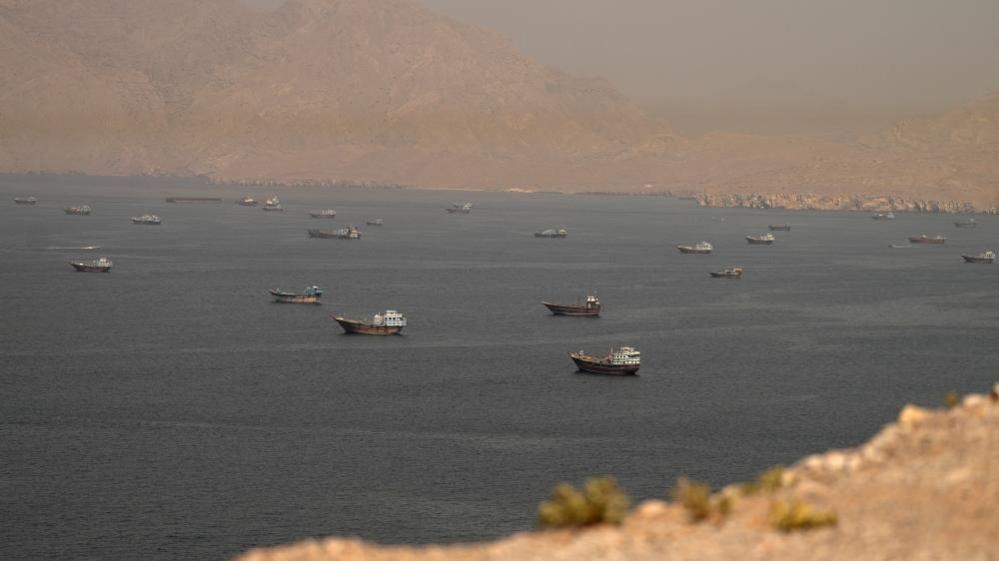
In a joint statement by Qatari and Pakistani mediators, a “roadmap” toward a final deal was set, with a 60‑day deadline. The plan includes reopening the Strait of Hormuz, de‑conflicting the regional ceasefire and establishing a communication line for commercial vessels.
Chronological context shows the 2015 nuclear deal that let IAEA inspectors monitor Iranian sites was withdrawn by the U.S. in 2018, only to be temporarily revisited in 2026. The 12‑day war last summer saw Israeli and U.S. missiles bombed Iranian sites, leading Iran to suspend IAEA access. A month later, the UN pulled its inspectors out of the country.
Despite the sanctions lift giving Iran breathing room, the nuclear oversight stalemate remains unresolved, leaving the world uncertain about the future of Tehran’s nuclear programme and its compliance with international mandates.