IAEA to Inspect Iran’s Nuclear Sites as US‑Iran Deal Progresses
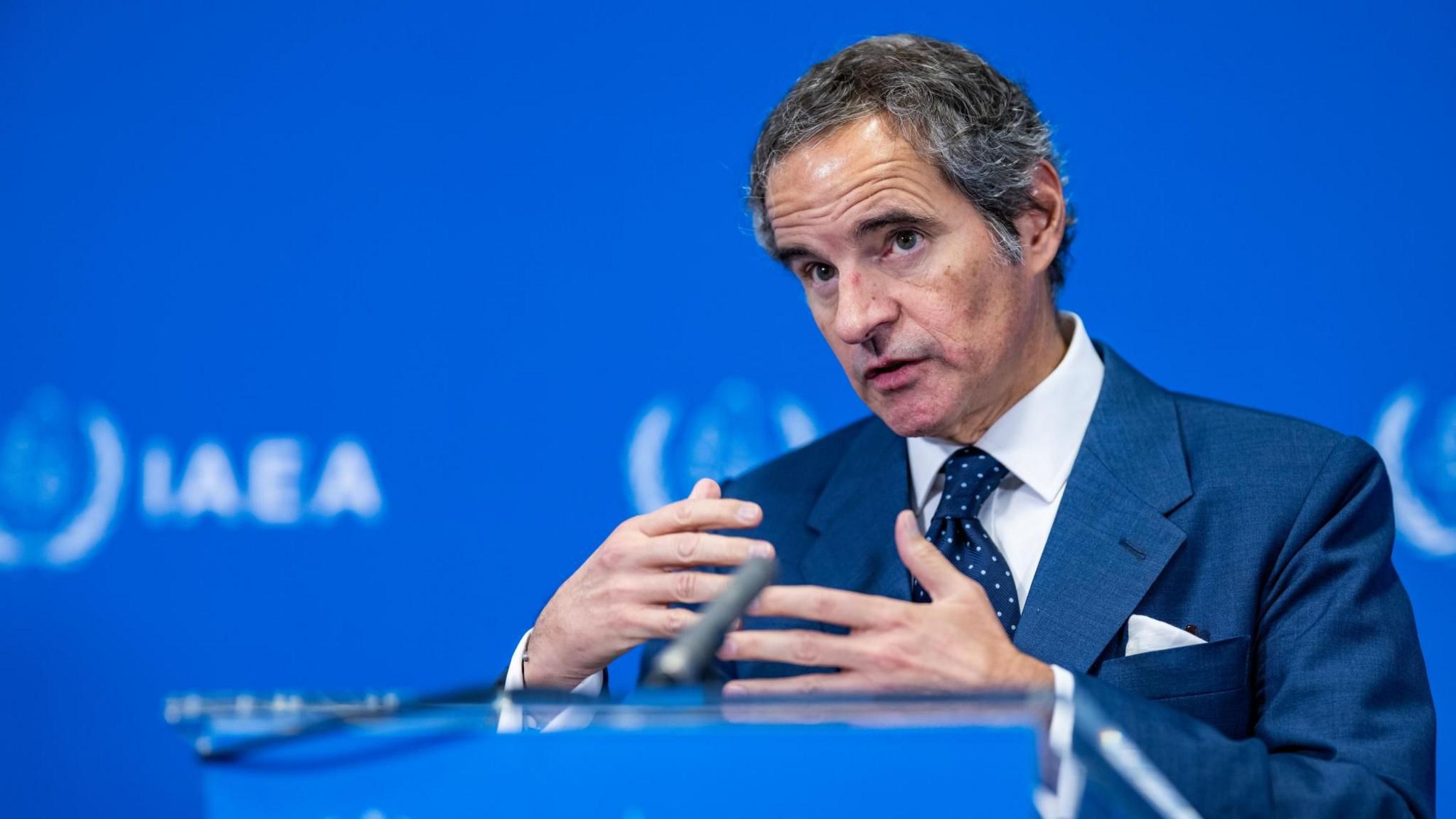
The head of the global nuclear watchdog, Rafael Grossi, announced that inspections will indeed take place in Iran following the signing of a preliminary peace agreement with the United States. “We will be working on the modalities – dates, procedures, places – very soon,” he told reporters in Japan, indicating that the IAEA will supervise any dilutions of Iran’s enriched uranium as stipulated in the memorandum of understanding.
Iran’s deputy foreign minister, however, warned that access to the damaged nuclear facilities and nuclear material would only be addressed within the framework of a final deal with the U.S. and after practical steps to lift sanctions. He noted that “media noise cannot be used to impose facts on the ground.”
U.S. Secretary of State Marco Rubio met with UAE President Mohammed bin Zayed Al Nahyan and later toured Gulf allies in Kuwait, stressing that any U.S. agreement would not endanger the security of its region partners. He stated, “We’re going to be completely aligned with our partners in the Gulf.”
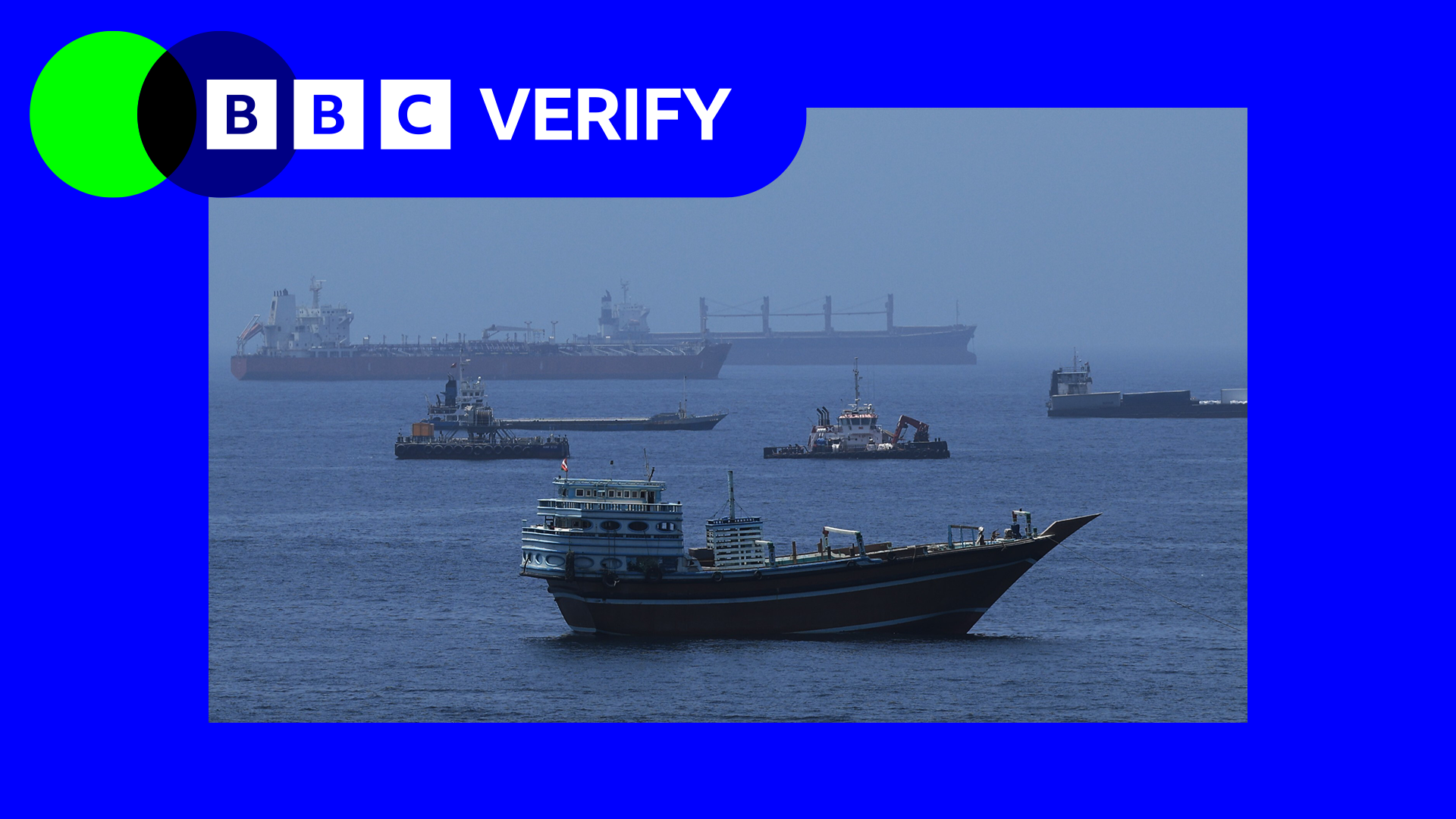
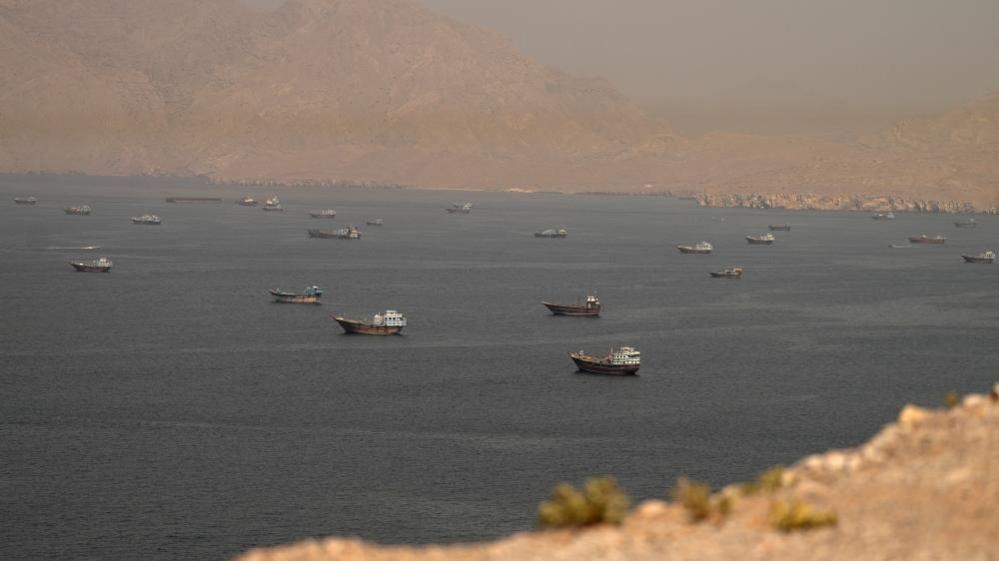
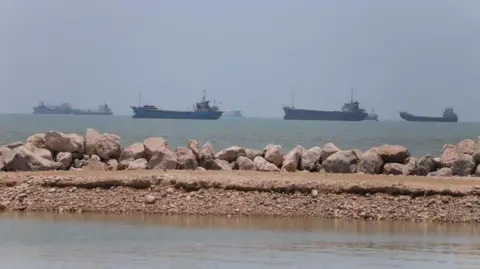
The agreement also called for lifting a naval blockade on Iranian ports and allowing shipping to pass through the Strait of Hormuz. Early reports say that some ships have already navigated the strait under a special evacuation scheme for sailors stranded by the recent war. Oil prices dipped to under $75 as the new accord lifted restrictions and opened the key oil transit route.
The IAEA has previously reported that inspectors visited Iran’s Bushehr nuclear power plant, but they remain denied entry into the sensitive facilities that were bombed last June. As of now, the IAEA cannot confirm the size or status of Iran’s stockpile of enriched uranium, believed to be located in underground tunnels at the Isfahan site. Prior to the war, the IAEA had documented 440kg of uranium enriched to 60% purity in Iran—potentially enough, if enriched to 90%, to make around ten weapons.
Iran maintains that its nuclear programme is entirely peaceful and that it never seeks to develop nuclear weapons. The 2015 Iran Nuclear Deal, which limited Iran’s nuclear activities and opened the country to continuous monitoring, was abandoned by the United States during the Trump administration, leading to increasing breaches by Iran in the ensuing years.
For more details, view the IAEA report on the agreement: IAEA report.