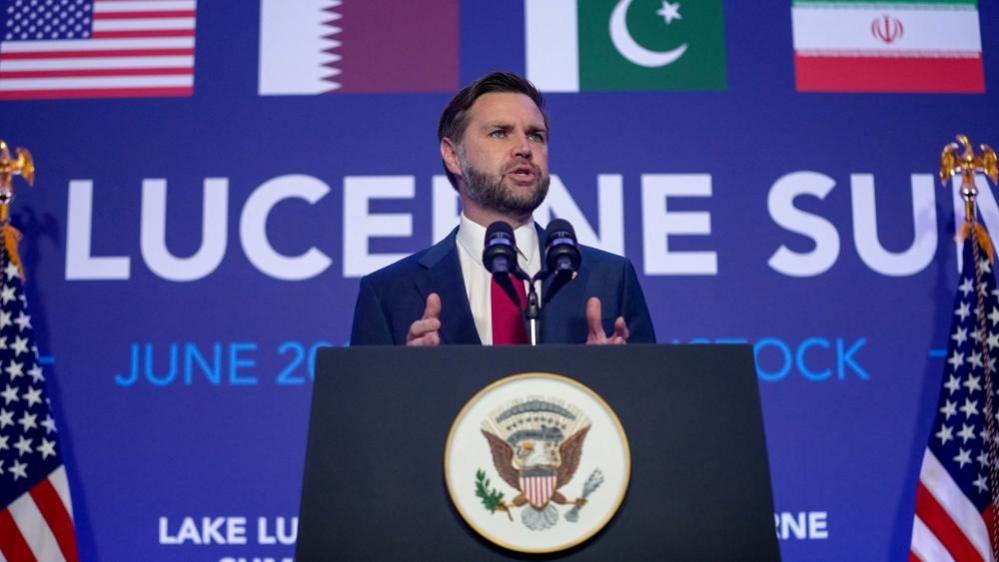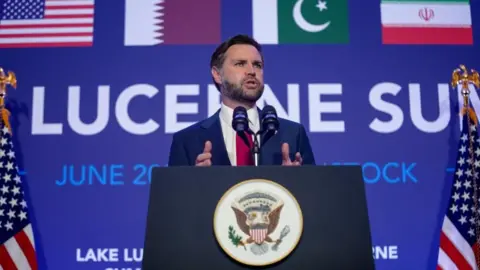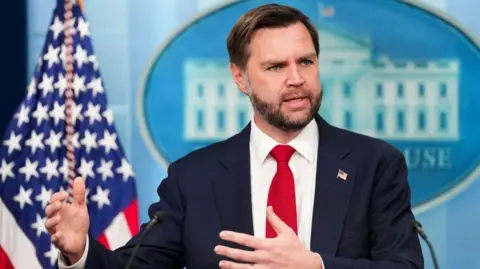
The United States government announced that Vice‑President John D. Vance will not travel to Switzerland as planned, effectively delaying a new round of US‑Iran negotiations that were slated to begin on the Burgenstock mountaintop resort.
The White House cited logistical challenges, stating the trip’s “logistics had not been simple or predictable.” The cancellation comes a day after Washington lifted its naval blockade of Iran—a move that formed part of a 14‑point agreement intended to end the current conflict.
The postponed talks were meant to focus on the implementation of the deal, with a view to moving on to longer‑term security issues, including Iran’s nuclear programme. The proposed deal, signed earlier this week, includes opening the Strait of Hormuz, a pledge that Iran will never possess a nuclear weapon and a $300 billion reconstruction scheme for Iran.
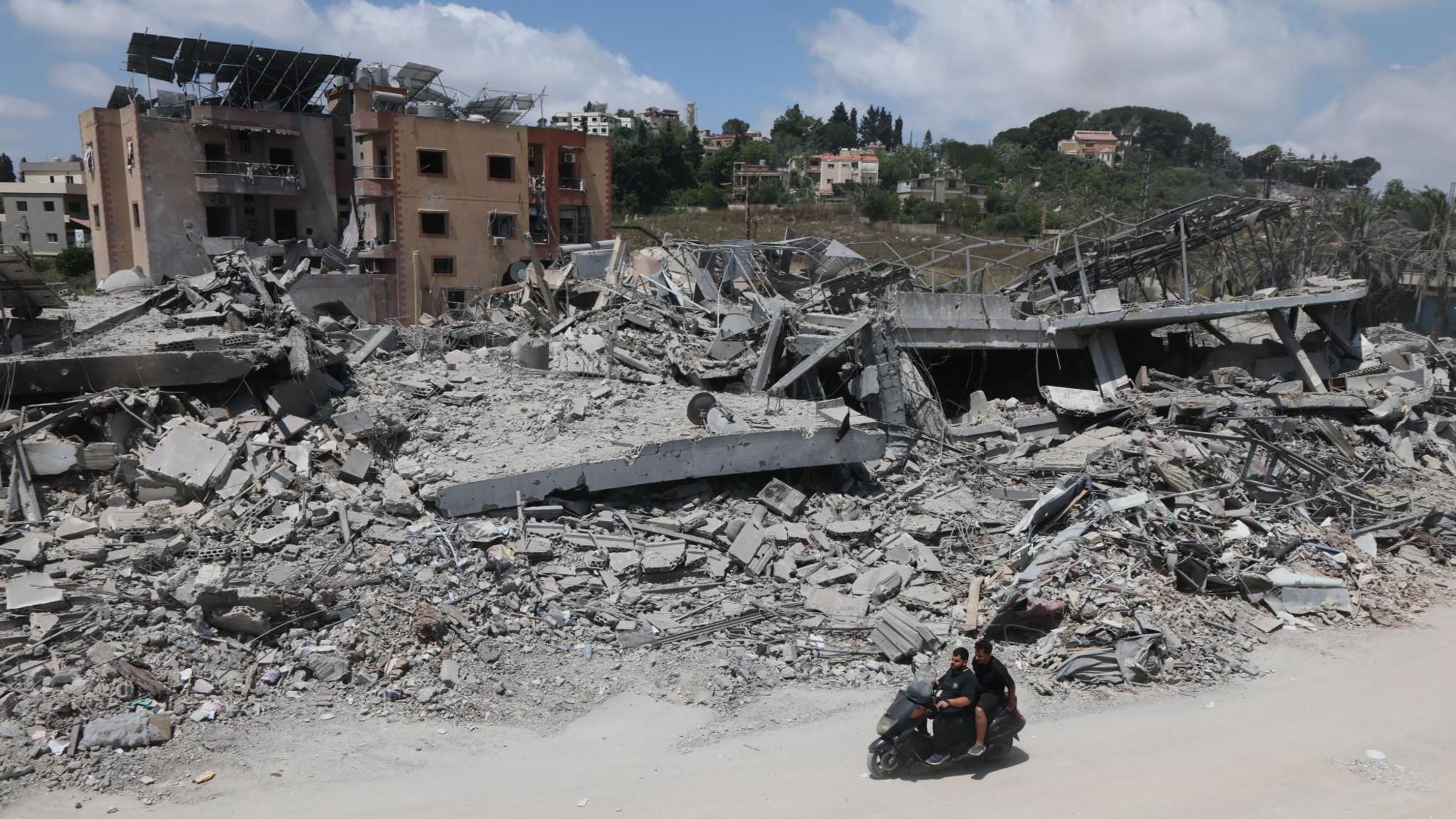
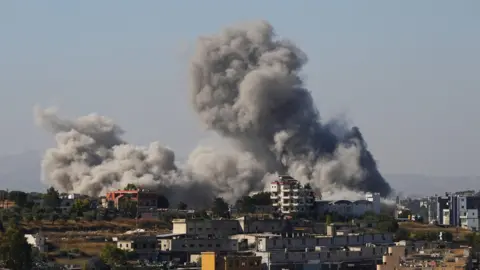
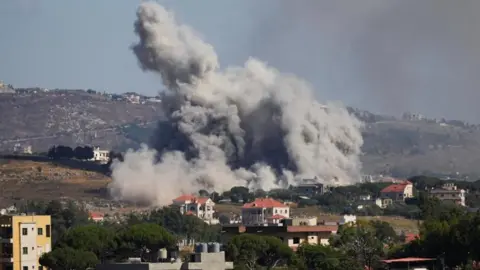
The delay follows a surge in violence in southern Lebanon, where Israeli air strikes targeting Hezbollah have killed at least 18 civilians and injured dozens. Israeli forces say the attacks were directed at Hezbollah infrastructure and personnel. Hezbollah‑linked media outlets report the talks were suspended because of the ongoing conflict in the region.
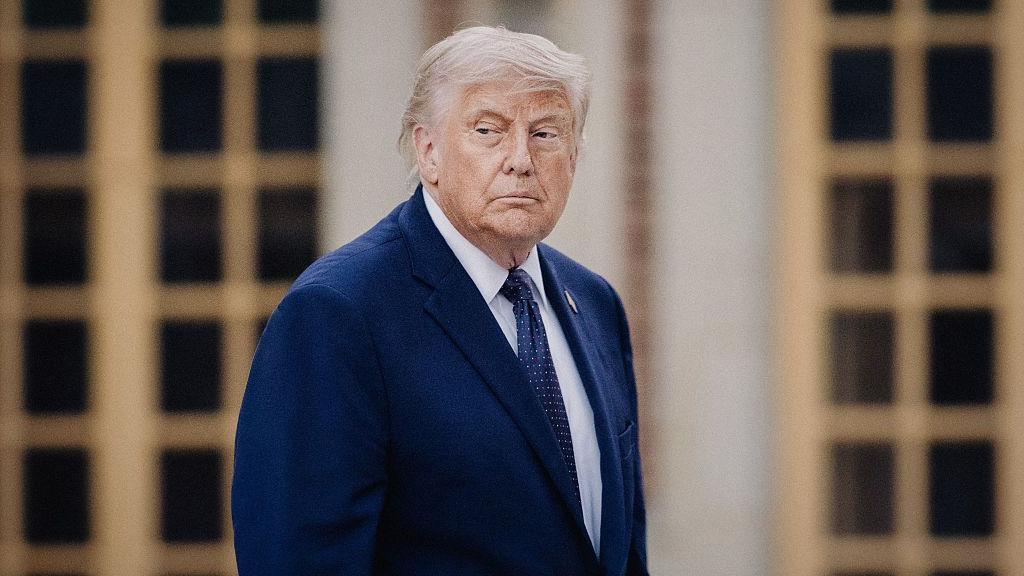
Iran’s Supreme Leader Dr. Mojtaba Khamenei has announced the agreement is approved albeit with a “different view,” calling former President Trump’s tactics “desperation‐driven.” He emphasised that future in‑person negotiations will not equate to acceptance of the US stance.
The US remains optimistic about “beginning technical talks as soon as possible,” according to a White House statement. Meanwhile, Canada and other European partners that facilitated the meeting in Switzerland confirm that preparations will continue despite the postponement.
For further background on the 14‑point deal and related Middle Eastern dynamics, read this detailed account.
Reuters photo of Vice‑President J.D. Vance during a White House briefing.