Congress's First War‑Powers Vote Sends Trump into the Digital Spotlight
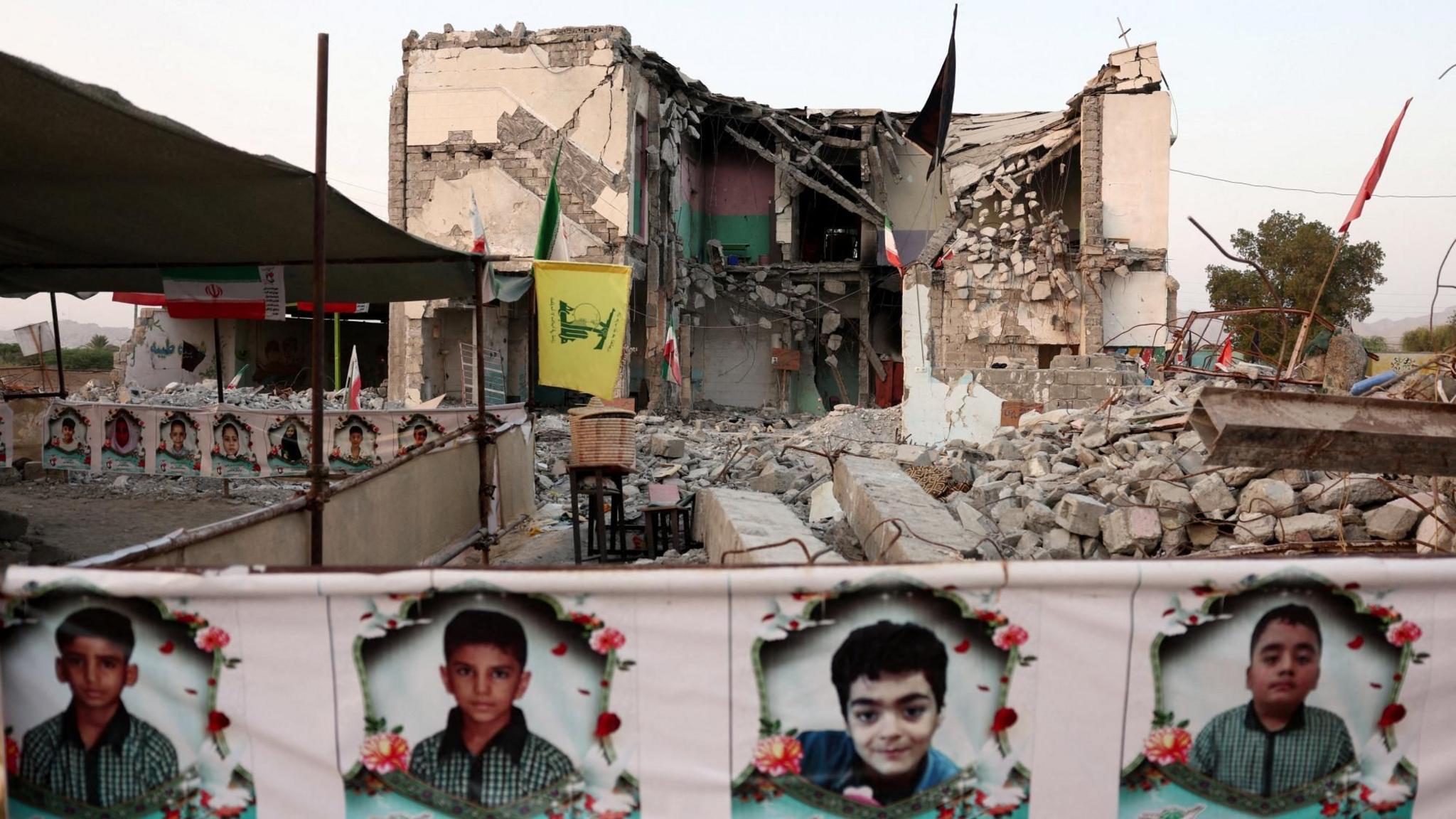
In the last Friday of June, the U.S. Senate—now firmly under Republican leadership—approved a concurrent resolution that tells President Donald Trump to stop any further military action against Iran or, at the very least, notify Congress if he intends to keep it going.
The move came after a similar vote in the House the previous month. A handful of senators (Rand Paul, Lisa Murkowski, Susan Collins, Bill Cassidy) joined Democrats to deliver the 50‑48 outcome. Two Republican senators, Mitch McConnell and Dave McCormick, were absent, which helped tip the balance.
Historically, the resolution is largely symbolic: it does not become law and it is not sent to the President for direct filing. However, it is the first time since the War‑Powers Resolution of 1973 that both chambers have passing a concurrent measure aimed at restraining a unilateral military operation.
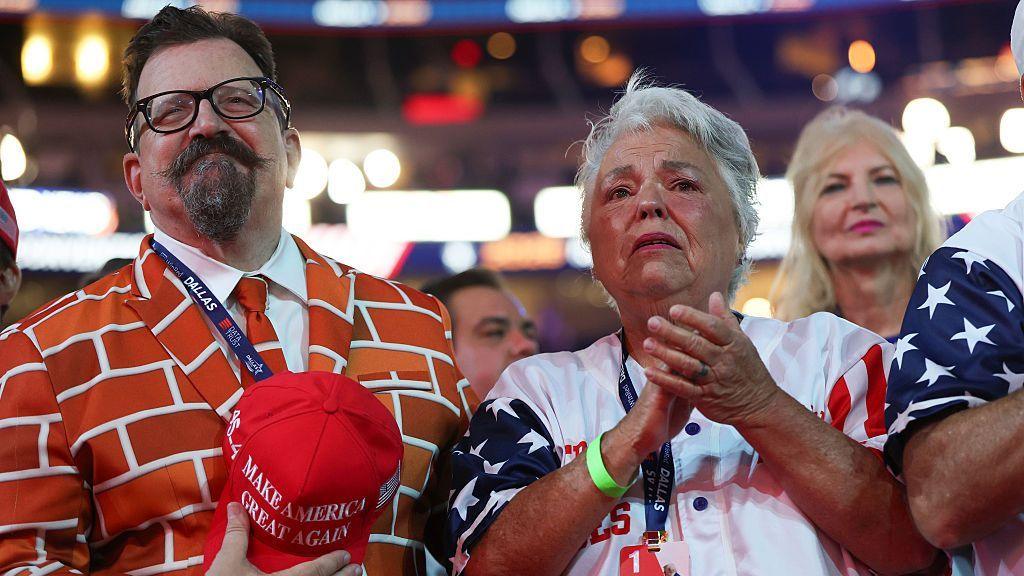
The political implications are significant. It signals growing discomfort with Trump's approach to Middle Eastern policy and adds extra pressure ahead of the midterm elections, where Republicans hope to maintain slim majorities in both houses.
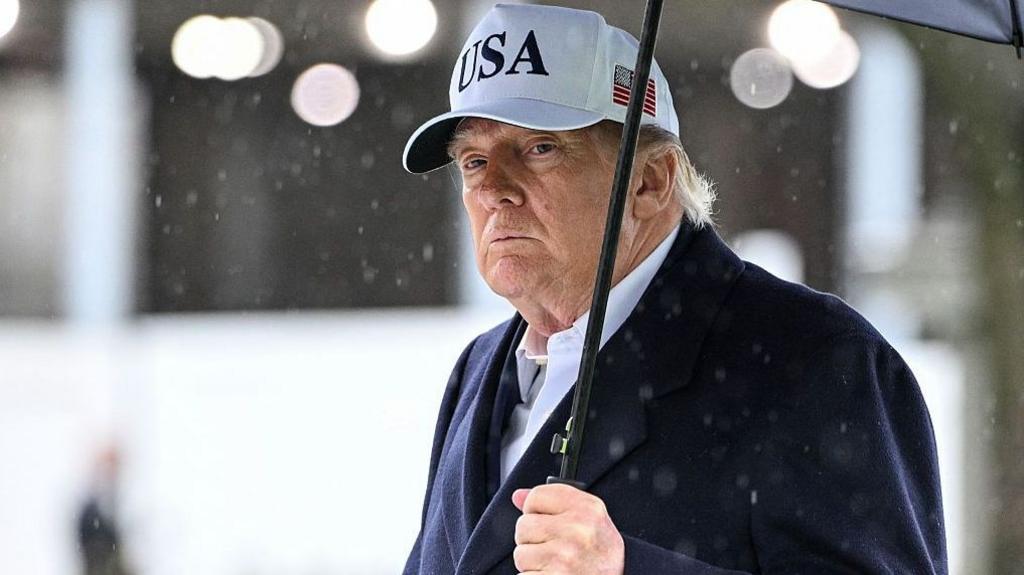
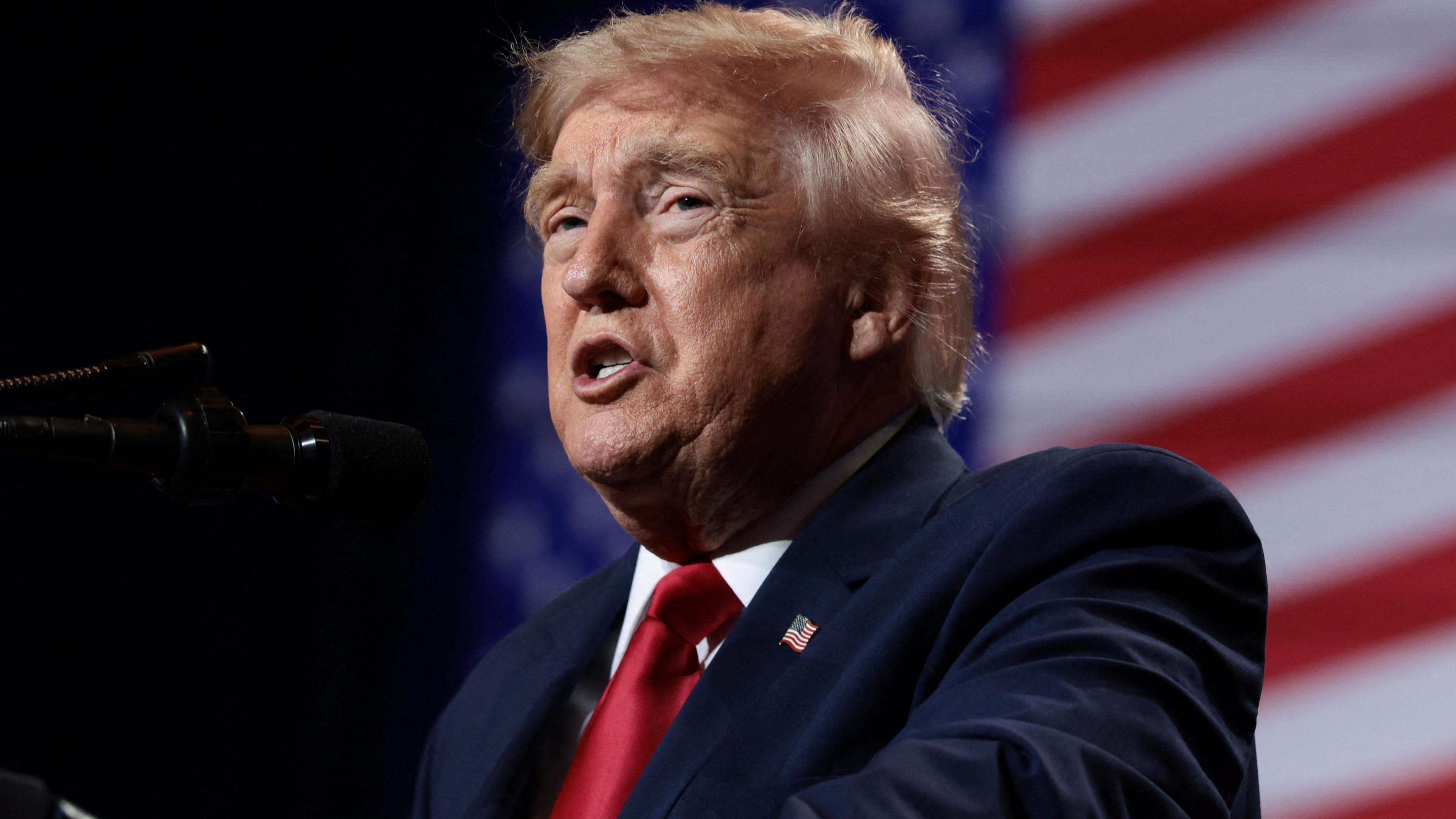
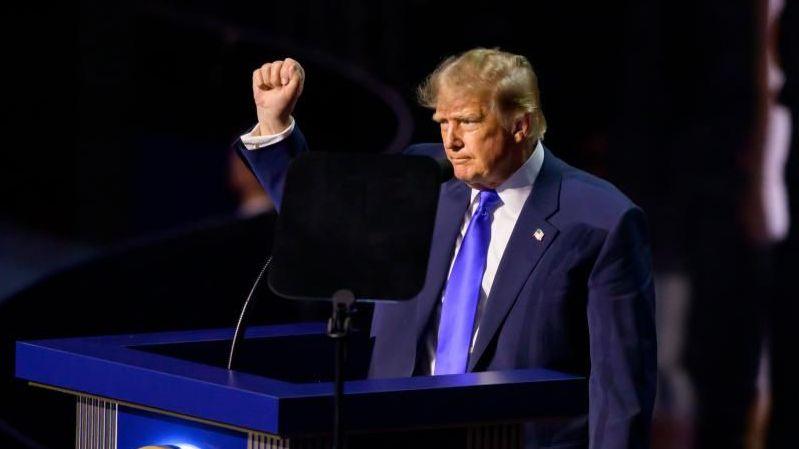
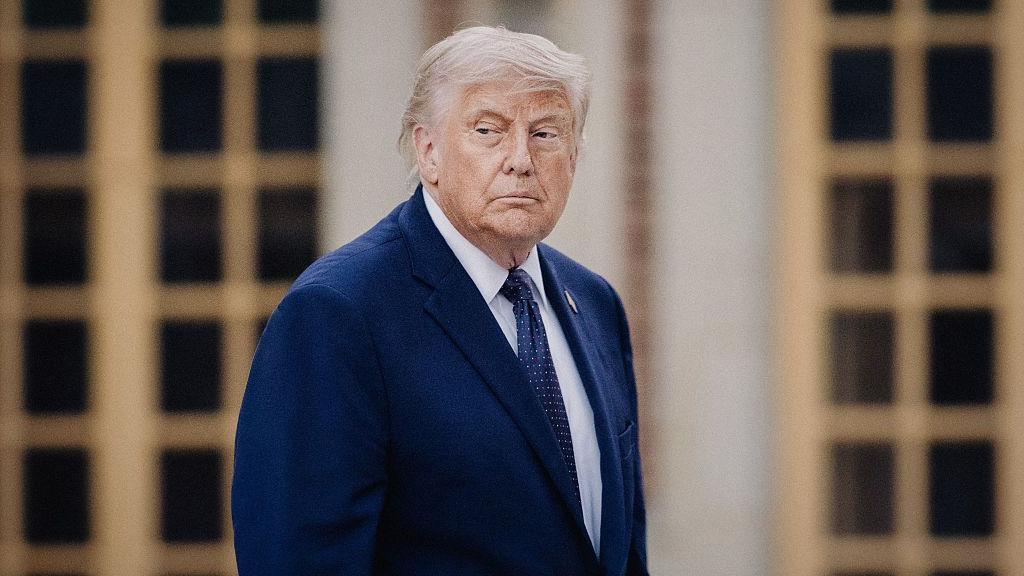
Trump himself slammed the resolution on Truth Social, calling it “poorly timed and meaningless”. His comments echo the president’s determination to keep the war going despite the court and public demands.
In the Metaverse newsroom, avatars of our virtual journalists buzz around a digital version of the Capitol. A 3D press conference unfolds: holographic reporters capture the senators’ speeches and the President’s rebuttal, translating the tense gravity of the vote into interactive commentary. This immersive experience illustrates how traditional politics now unfold in virtual spaces, allowing real-time global spectators to witness and react.
The resolution also resonates as a reminder of the limits of executive power in a fractured political climate. While it lacks enforcement mechanisms, it sends a compelling message that the people—through their representatives—are uncomfortable with unilateral military action.
As the situation on the ground remains tense, with U.S. forces potentially withdrawing under the agreed ceasefire, this Senate move could pivot the narrative toward a more restrained foreign policy and force the White House to make hard choices about the future of the Iran conflict.