Bowen: The US–Iran Deal and the Real Cause of the War
AFP via Getty Images
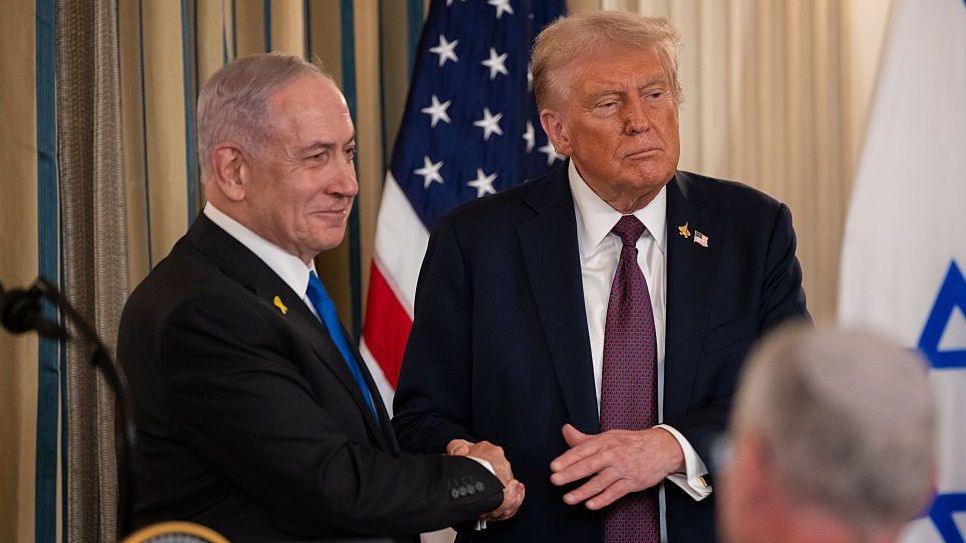
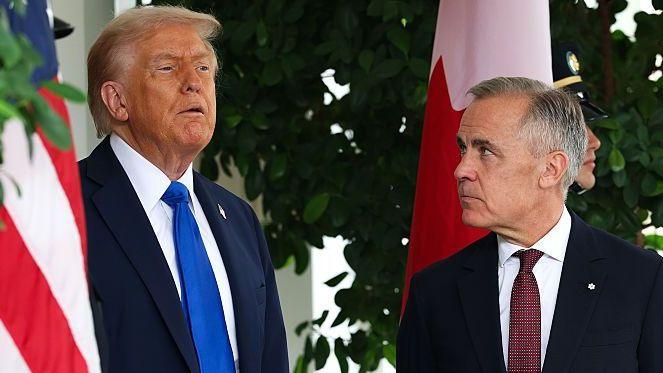
The memorandum of understanding signed by President Donald Trump and President Masoud Pezeshkian of Iran outlines the political, military and economic fallout of the ill‑judged attack on 28 February.
Thousands of civilians have been killed in Iran and Lebanon, and the US‑led assault has proven a strategic defeat for Washington and its ally Israel. Tehran, rather than collapsing, has been empowered by the blockade of the Strait of Hormuz, a global chokepoint that forced Trump to agree to concessions that upset the hardliners in both the US and Israel.
The MOU promises the reopening of the Strait and a cessation of the war in Lebanon, but Israel disallows such an outcome, fearing the rise of Iranian influence in Lebanon and a strain on its own domestic politics.
In return for allowing ships to navigate the Strait, the US will lift its counter‑blockade of Iranian ports, waive sanctions, and facilitate the return of billions of dollars to Iran by unfreezing assets held abroad. These steps precede any substantive talks on a nuclear agreement.
The deal is, however, only a preamble to a lengthy negotiation over Iran’s nuclear program. Both sides remain distrustful, and hardliners in Washington, Tehran and Israel resist a final accord.
The question of what the war actually aimed at is inevitable and cannot be ignored. The war has exposed the limits of US dominance in the Middle East and may trigger a political shift in Israel with the looming October elections for Netanyahu.
Iran’s use of the Strait of Hormuz, a cheap yet powerful weapon, has outperformed the costly network of proxies it once invested in across the region. The regime’s survival, driven by ideology and a history of conflict, underlines the difficulty of dismantling it even after a major blow to its leadership.
Although the MOU does not represent a final agreement, it opens the door for a negotiated settlement that could transform the region—if both parties can keep their promises and navigate a complex 60‑day window of talks.
If the nuclear negotiations succeed, the Middle East could shift to a new equilibrium. Yet this is contingent on hard‑line actors stepping back and on sustained diplomatic efforts.