Trump‑Made MoU: Weapons, Wealth and Waterways – The New Iran Deal Explained
In late June, the United States and Iran signed a 14‑point memorandum that promises a return to dialogue, but the text stops short of the concrete safeguards that steered the 2015 nuclear deal. While the old accord had detailed limits on uranium enrichment, access by inspectors, and precise sanctions lifting schedules, the new memorandum serves as a loose framework for talks that may or may not lead to a full agreement.
Weapons
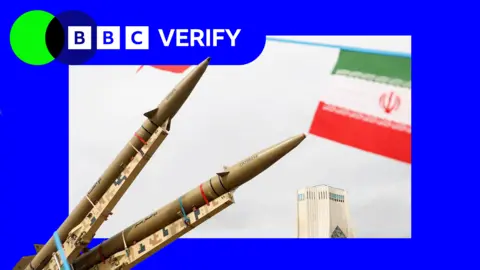
The MoU confirms that Iran does not seek nuclear weapons, echoing JCPOA language, yet it offers no specifics on how the enriched 60‑per‑cent stockpile now held in Iran can be destroyed. Critics point out that the 15‑year enrichment limit of 3.67% that the JCPOA imposed is absent, and the future of ballistic missiles remains unaddressed. Trump’s verbal promises that missiles will be “destroyed” are not reflected in the text, raising doubts about enforcement.
Money
Unlike its predecessor, the 2015 JCPOA left the United States with no cash payouts but lifted sanctions on Iranian central‑bank assets, valued at roughly $100‑$125 bn, giving Iran about $50‑$80 bn of workable liquidity. The present memorandum indicates a full lifting of sanctions but does not tie the removal to a phased plan. The documents also earmark at least $300 bn for reconstruction and development, yet no clear conditions are attached to funding, leaving a white‑paper‑style promise rather than a budget.
Ships
Before the current conflict, the Strait of Hormuz has been a free passage for about ninety ships a day. Since hostilities began, the merchant traffic collapsed to a handful, as a US blockade clamped down and Iranian attacks targeted commercial vessels. The memorandum pledges to lift the blockade in thirty days, but limits Iran’s guarantee of smooth passage to sixty days and leaves the issue of tolls or fees open. Iran’s recent move to establish a Persian Gulf Strait Authority could give it a new revenue stream that the U.S. has not yet addressed.
The new deal's partial, use‑of‑resources approach – calling for closed‑door talks, reconstruction effort and a temporary unblock of the strait – have earned mixed reviews. While we are likely to see a Bayesian debate on the argument that the MoU resembles a shot‑gun approach to a complex showdown, the matter remains open for a decade‑long negotiation that may or may not mirror JCPOA’s legacy of transparent, enforceable framework. As the global stage continues to pivot, the four‑quarter war and the ensuing diplomatic dance could either set a new standard of restraint or expose gaps that keep strategic uncertainty alive.