Escalating Violence Shapes Colombia’s Presidential Race
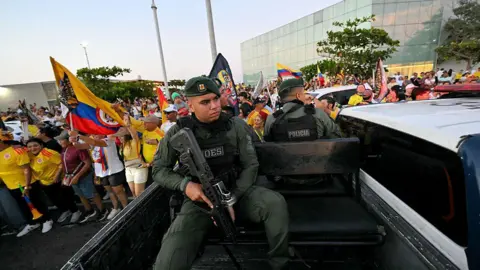
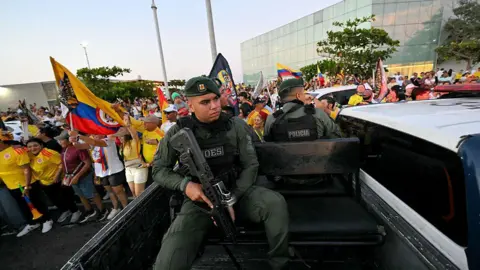
Colombia’s 2026 presidential election is unfolding against the backdrop of a disturbing surge in conflict, with armed groups, the state and cartels leaving thousands displaced and casualties rising.
Edilma Martinez Flores, a displaced resident of Cali, told a support centre in Bogotá that her brother was murdered for refusing an extortion payment in front of his children. “We had no choice but to leave our things behind,” she said, highlighting the daily terror that has become a voter priority.
Between 2024 and 2025, government advisor Isabelita Mercado Pineda reported a 300% rise in forced displacement, driven by growing cocaine production, unoccupied «vacated» territories, and a perceived failure of peace‑building strategies that offer a “carrot but no stick”.
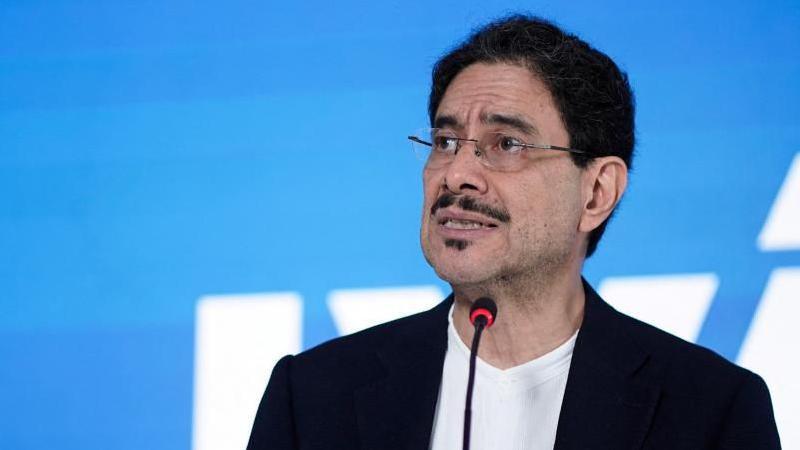
The two leading candidates present diametrically opposed solutions. Left‑wing senator Iván Cepeda, the architect behind President Petro’s “total peace” initiative, argues for sustained negotiations and reintegration of former guerrillas. He pledges social transformation, a review of the cease‑fire framework and tighter military oversight.
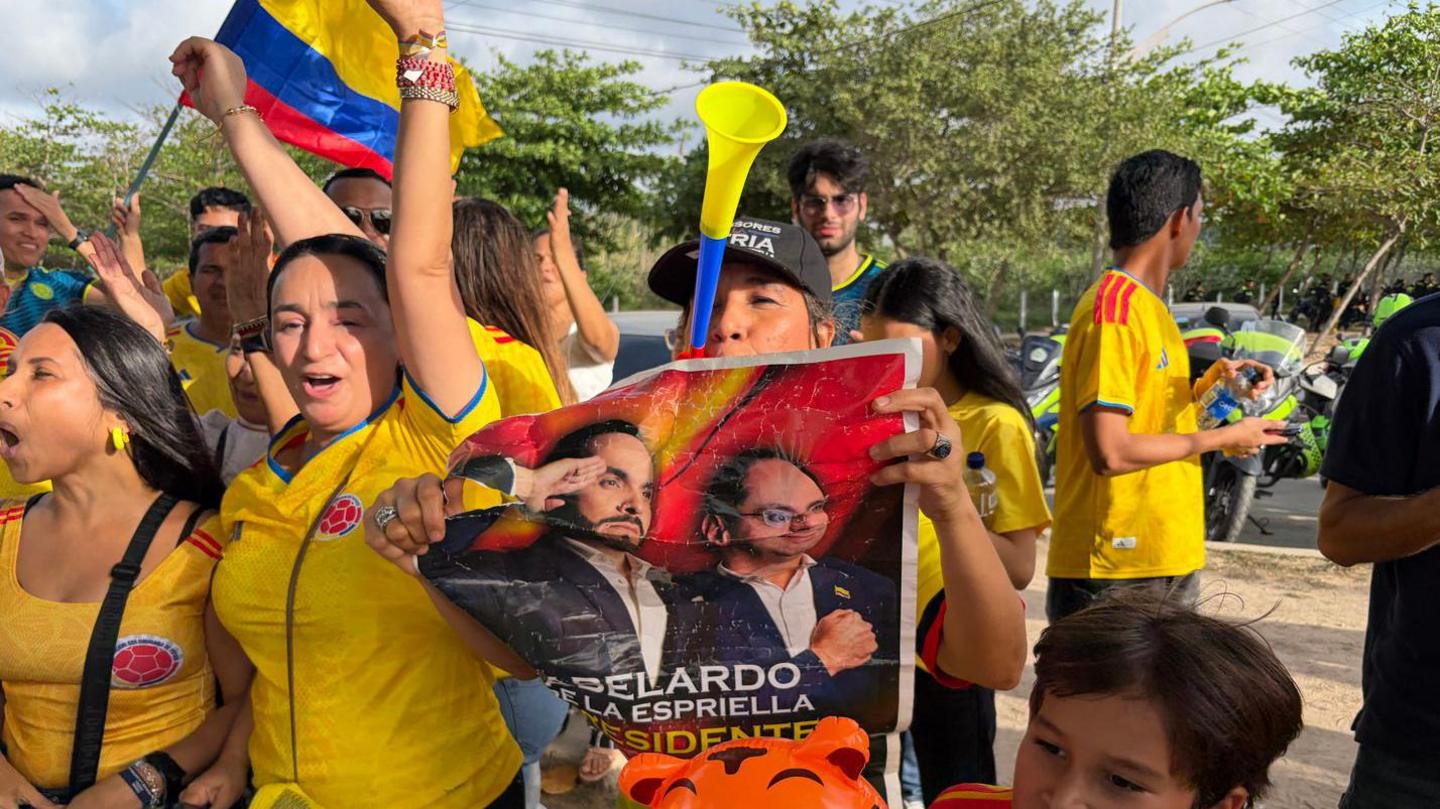
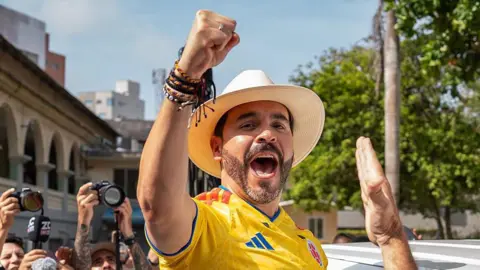
Opposing him is Abelardo de la Espriella – a right‑wing businessman, self‑styled “El Tigre”, who boasts 10 mega‑prisons and a hard‑line military campaign. Endorsed by former U.S. President Donald Trump, he has vowed to end negotiations with armed groups and to confront any criminal who does not surrender.
The candidates’ divergent stances have been reflected in the polling: de la Espriella’s hard‑line promises resonate with voters in the Caribbean coast, while younger constituents, exemplified by student Catalina La Grande, lean toward Cepeda’s balanced approach that addresses structural roots of insecurity such as poverty and inequality.
With the final runoff scheduled for 2 July, voters will weigh the trade‑off between a potential peace contract that could secure lasting stability and a militarized slogan that promises uncompromising law‑enforcement. The outcome could redefine Colombia’s relationship with the United States, a factor highlighted by Trump’s rhetoric and the U.S.’s growing interventionist stance in Latin American security affairs.

The stakes are high: if de la Espriella wins, a U.S. backed approach may bring increased military aid and a hard line against gangs; if Cepeda prevails, Colombia may continue pursuing negotiated peace after a series of failed cease‑fires.
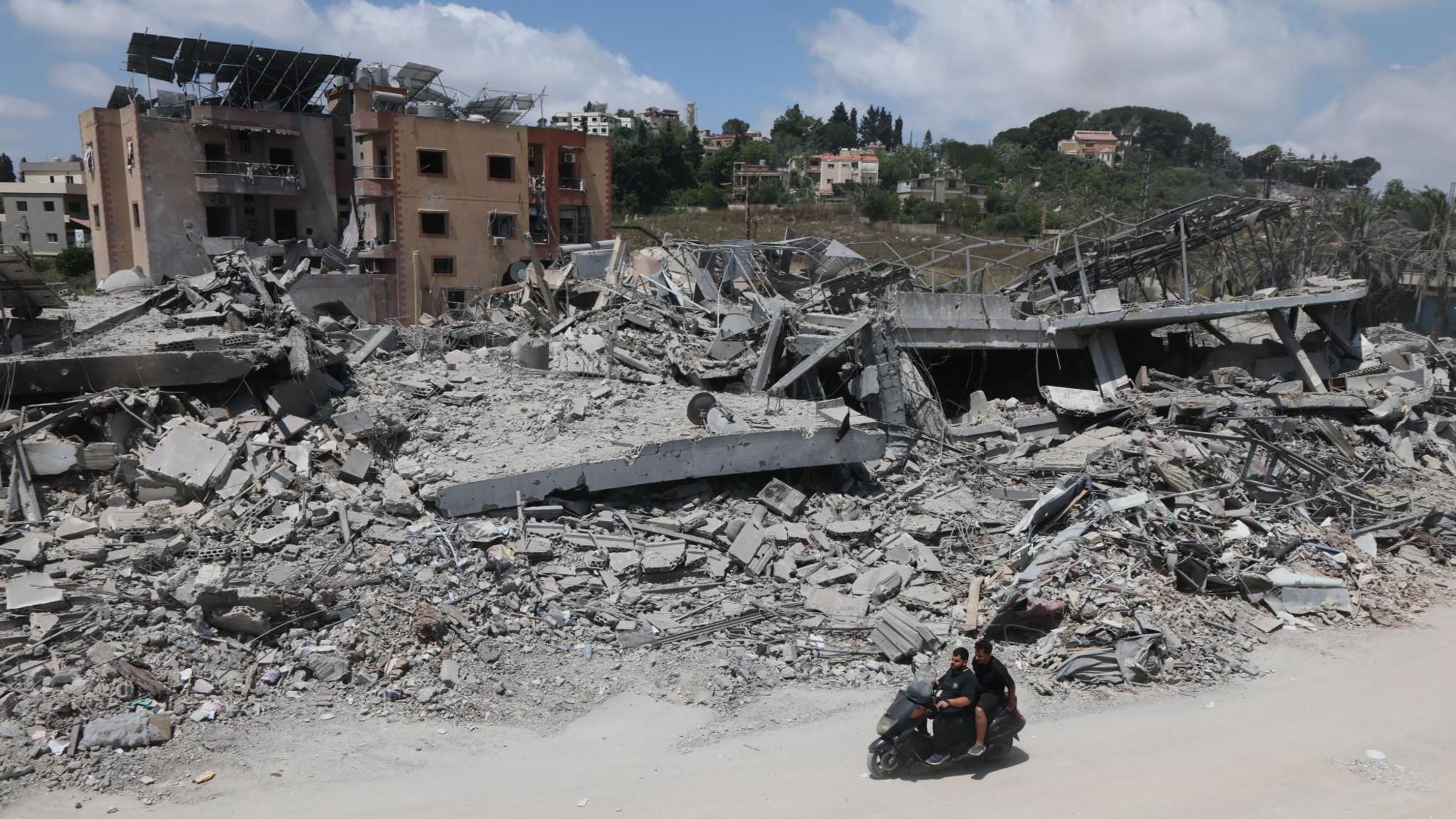
Beyond the candidates, the narrative of escalating violence – with FARC and ELN fatigues, bombings, kidnappings and a surge in internal displacement – sits at the heart of every voter’s concern for safety and stability. The election will, for all its high points, be decided by how Colombians imagine their country’s future amid enduring conflict.