What the deal says and what it leaves out
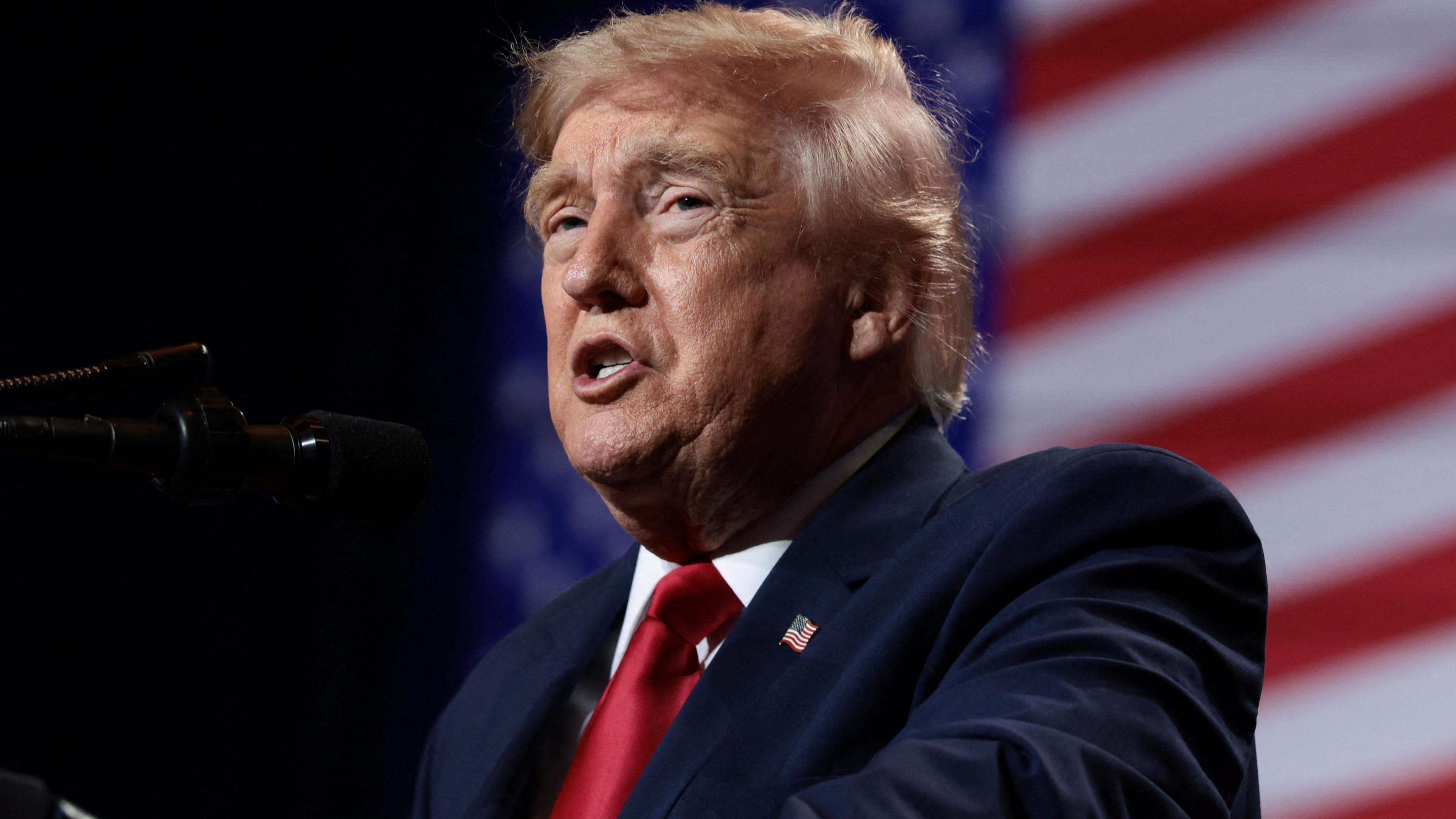
President Donald Trump has formally signed a 14‑point Memorandum of Understanding (MoU) that aims to bring Iran back into a nuclear‑limit framework, roll back sanctions, and secure the flow of oil through the Strait of Hormuz. While the MoU contains familiar phrasing – “Iran will not pursue Nuclear weapons” – it stops short of detailing how that goal will be achieved.
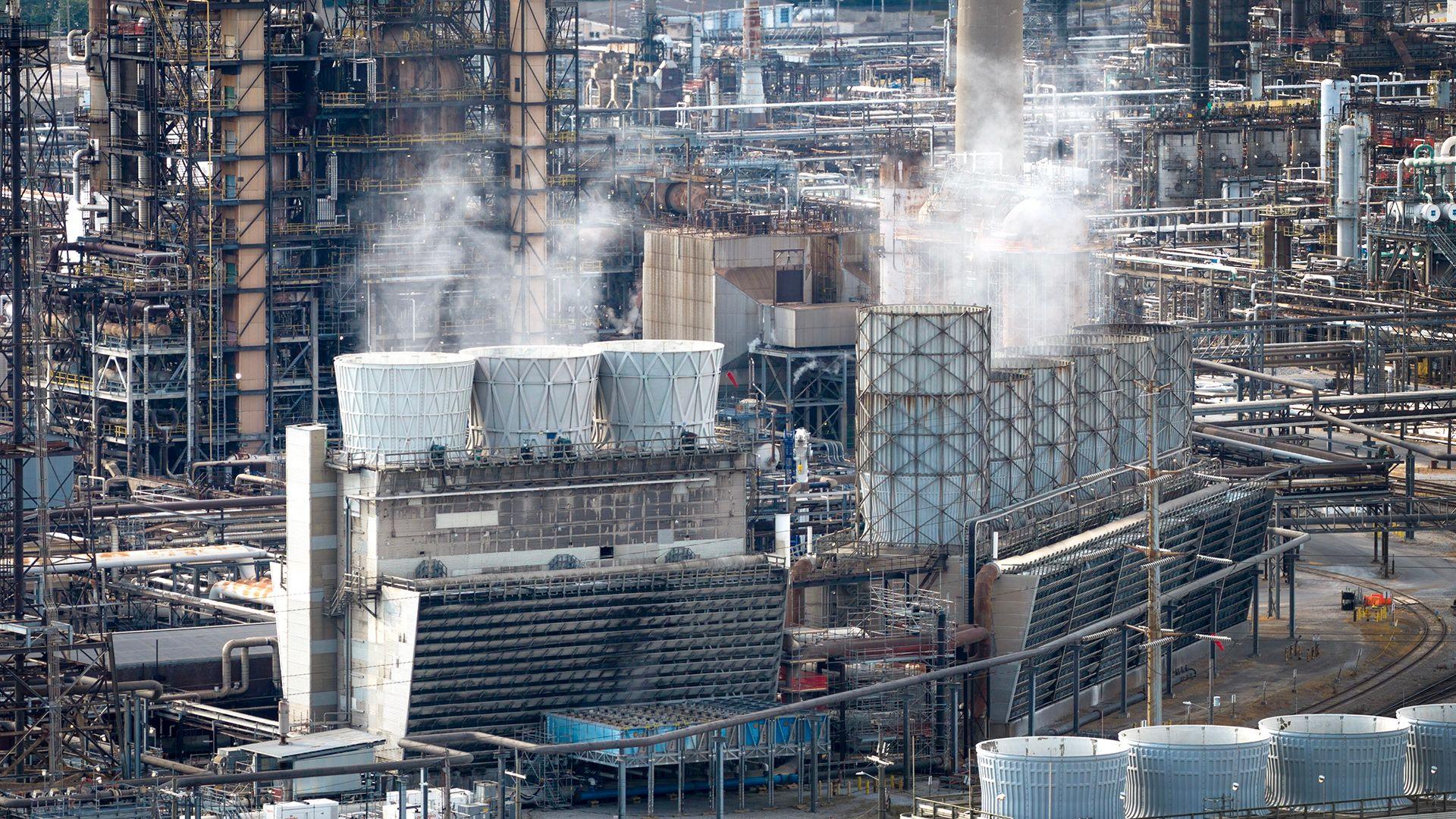
The 2015 Joint Comprehensive Plan of Action (JCPOA) imposed explicit limits: a 300‑kg stockpile and enrichment capped at 3.67%. The new MoU echoes this clause but does not obligate Iran to reduce its current stockpile, which U.S. officials estimate sits at roughly 440 kg enriched to 60% – a level that could be lifted to weapons‑grade within months.
A further shortfall is that the MoU contains no mention of ballistic missiles, despite Trump’s remarks on the need to limit Iran’s missile capability. Nor does it address how Iran might dismantle its enriched material, a point that critics cite as a stark difference from the JCPOA’s “de‑decay” measures.
The agreement does include a 60‑day window in which the U.S. will lift its naval blockade of Iranian ports and allow commerce to resume in the Strait of Hormuz. The MoU relies on a future dialogue with Oman to define long‑term maritime services, while Iran’s recent decision to set up a Persian Gulf Strait Authority introduces the possibility of new fees for shipping through the waterway – a revenue source that the deal does not immediately address.
Sanctions will be terminated in a staged allotment, and the document proposes a $300‑bn reconstruction package overseen by the United States and “regional partners.” The financial relief is intended to replace the $100‑$125 bn central‑bank asset pool freed by the 2015 JCPOA, although U.S. Treasury officials note the accessible portion is nearer $50 bn.
For analysts, the MoU’s brevity fuels uncertainty. The prior JCPOA was the result of two years of negotiation and included detailed technical safeguards and enforcement clauses. The current MoU merely sets a framework for 60‑day talks; its lack of specificity on nuclear disarmament, missile control, or enforcement mechanisms raises questions about enforceability and long‑term viability.
From a broader perspective, the deal marks a pivot in the way sanctions are applied to Iran: the Iranian crude and derivatives are allowed to export freely, and full banking and insurance services are available without prior approval. This contrasts sharply with the prior re‑imposition of sanctions after Trump rolled back the JCPOA, which left Iranian banks frozen and the oil market re‑stricted.
The MoU therefore widens Iran’s economic reach while also compromising the international community’s ability to curb the regime’s nuclear ambitions. Later days may reveal whether the new framework can translate into concrete steps that match the 2015 JCPOA’s robust safeguards.