US‑Iran Agreement: The War’s Hidden Motive Explained
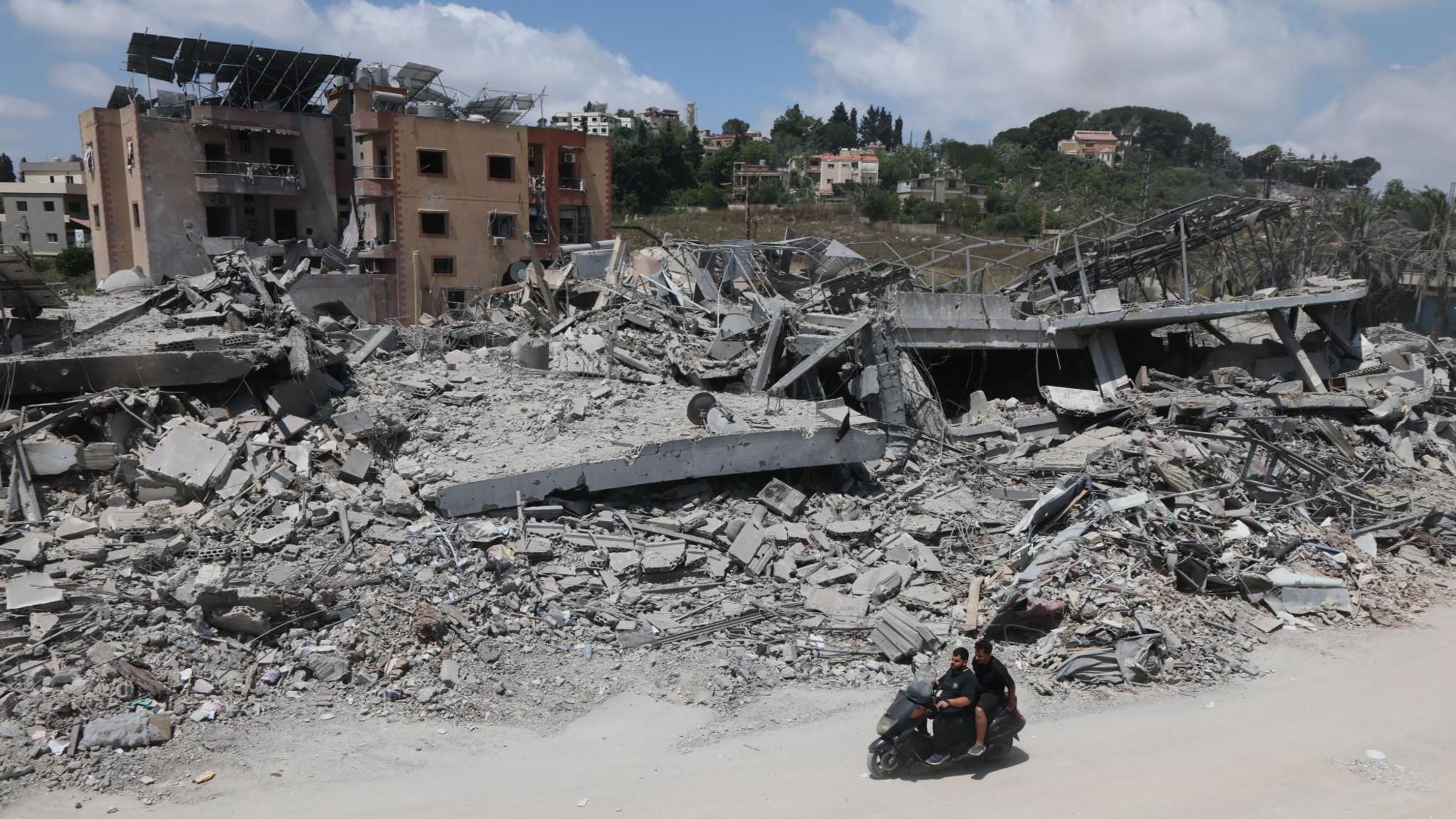
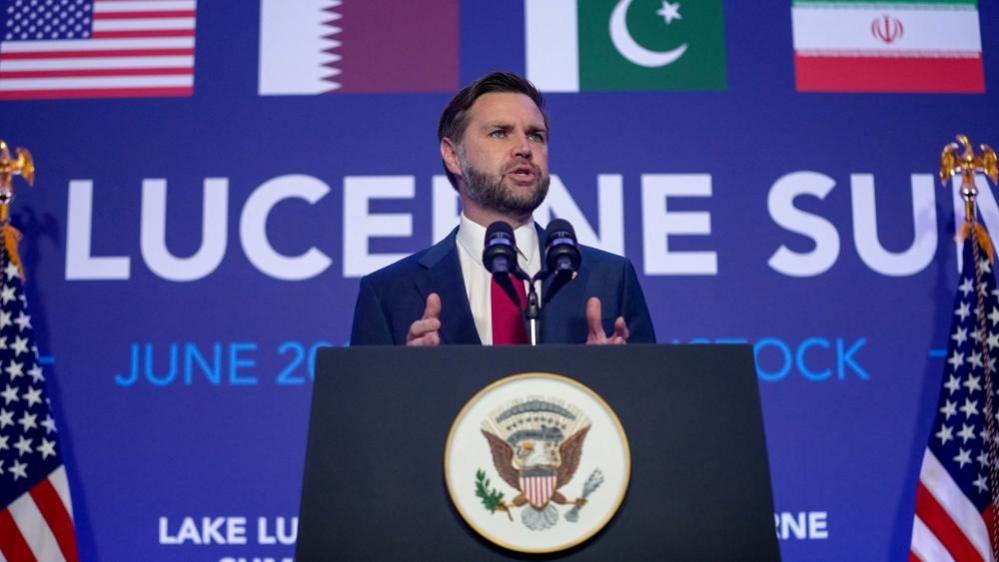
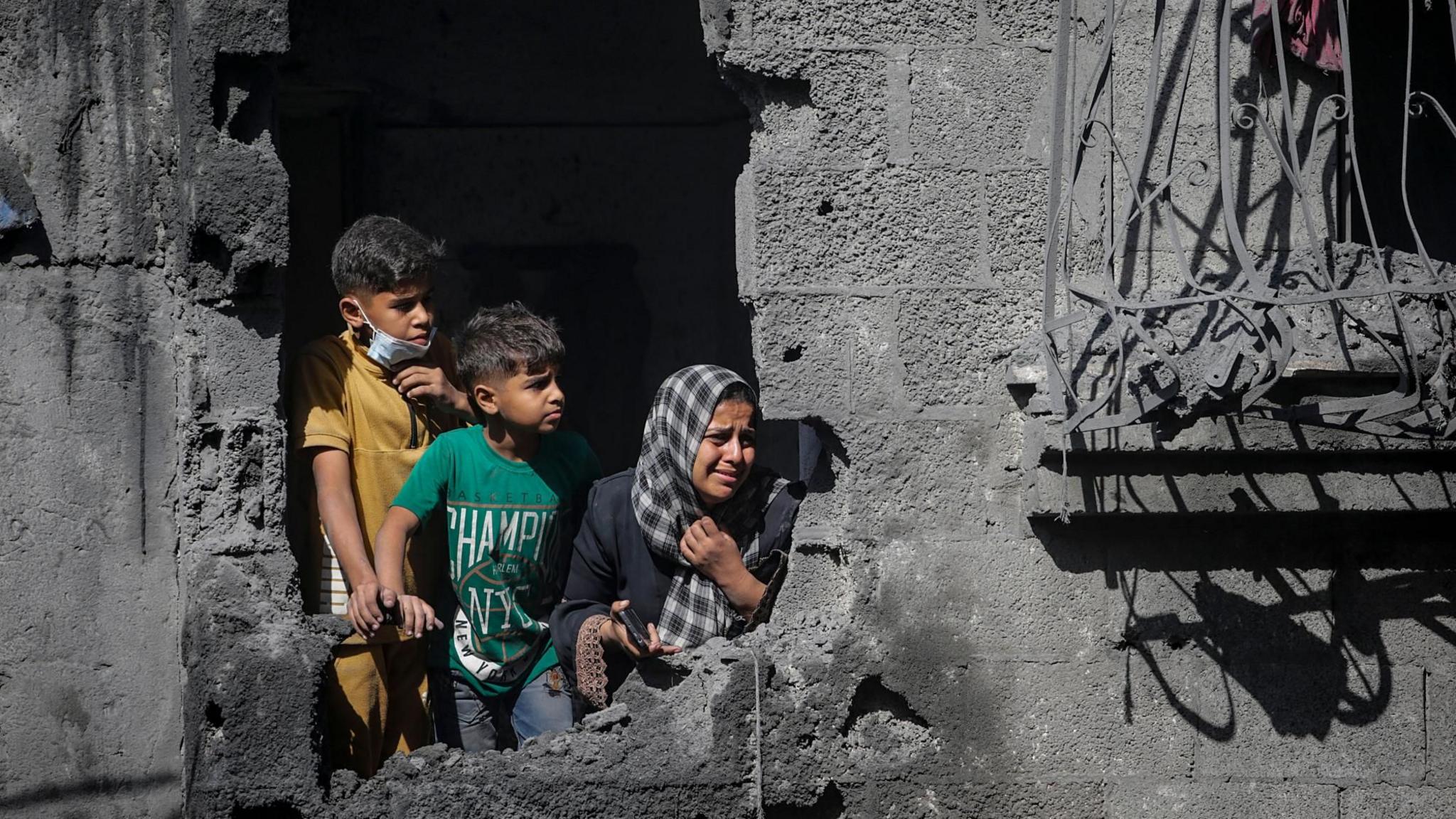
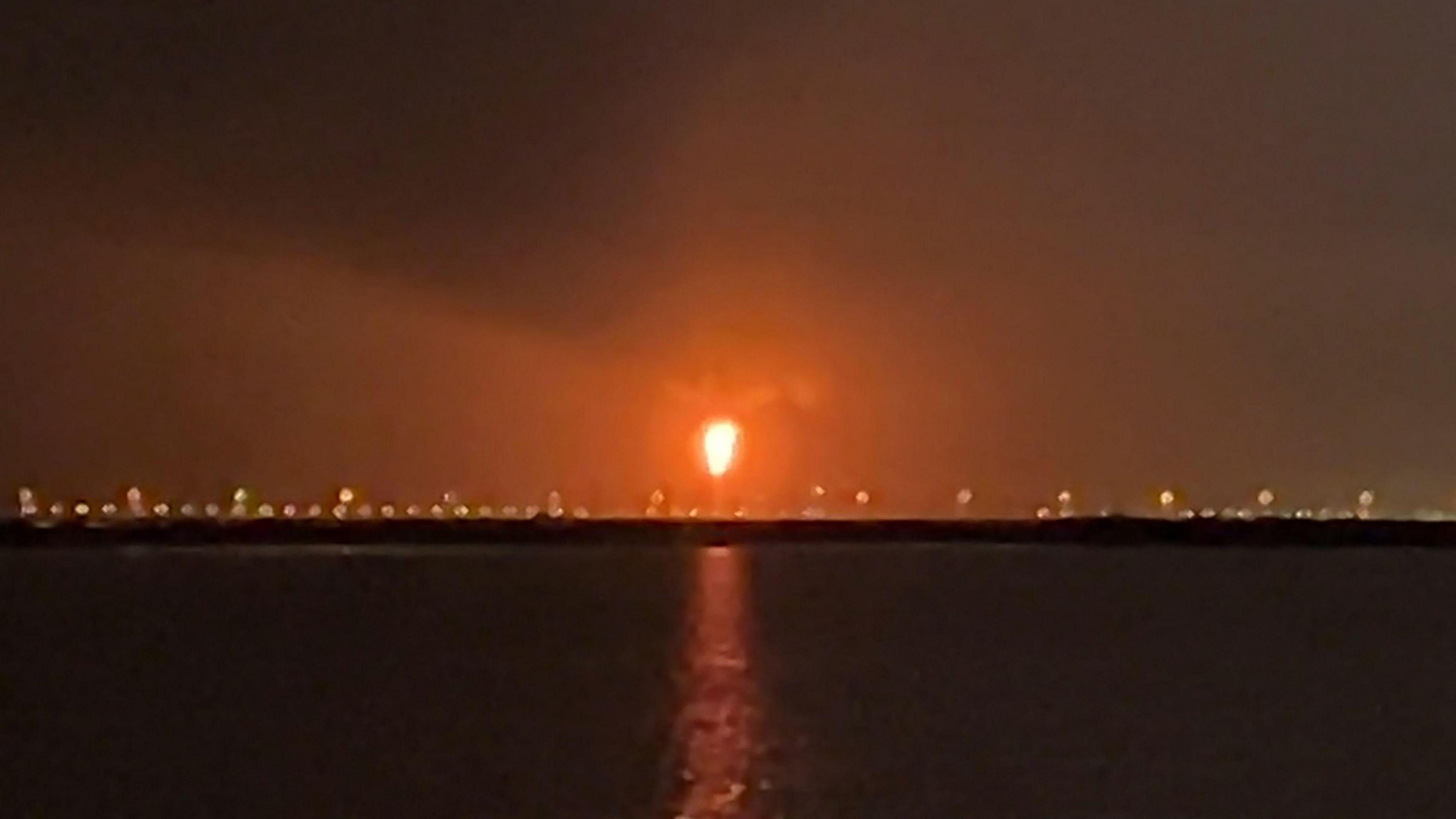
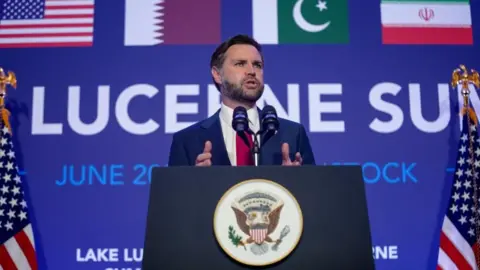
The United States and Iran recently signed a Memorandum of Understanding (MOU) outlining the political, military and economic fallout of the February 28 attack. The agreement, brokered during President Trump’s tenure, marks the first formal step toward winding back a conflict that has already claimed thousands of lives.
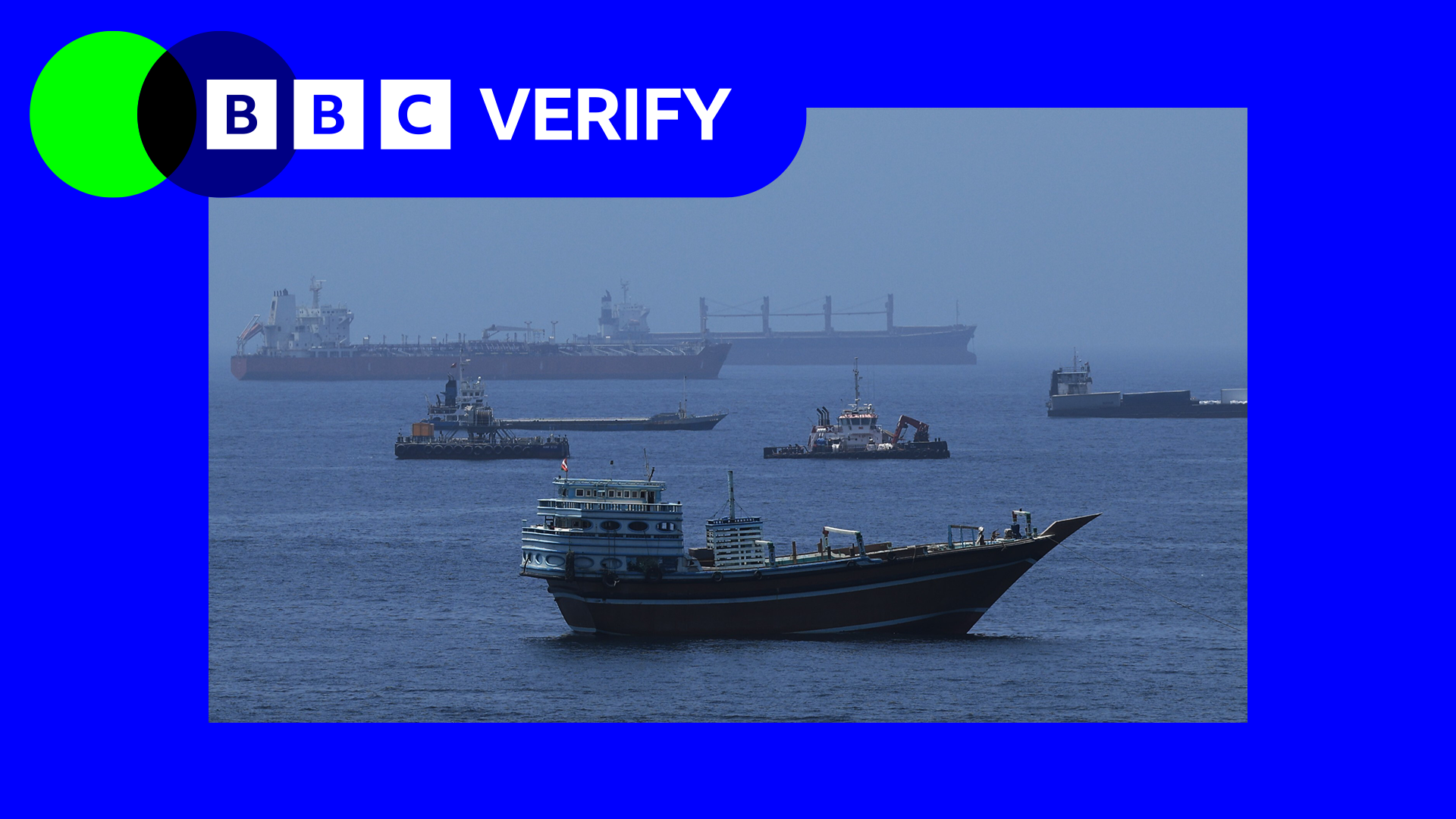
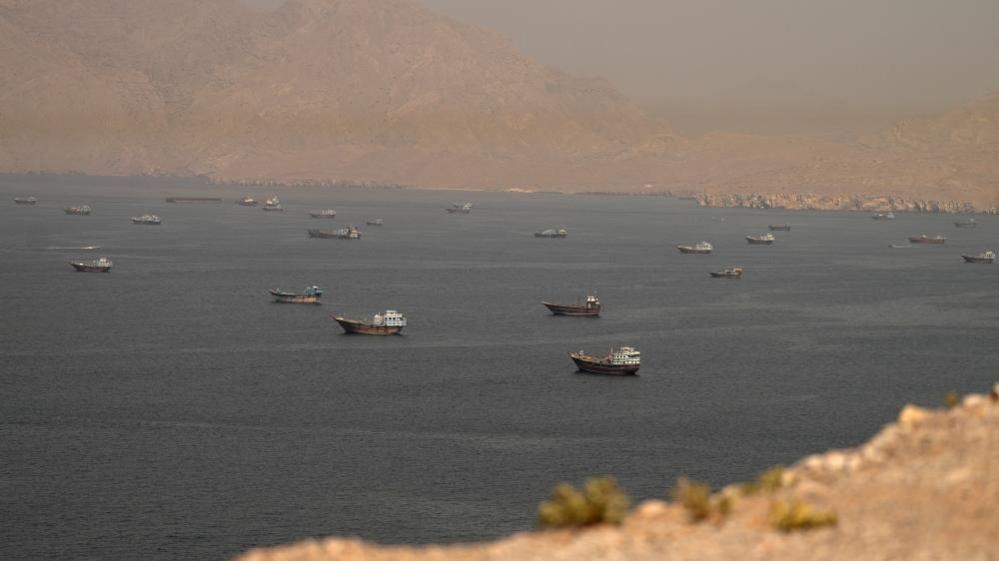
Jeremy Bowen notes that while the MOU recognises a strategic defeat for the US and Israel, it has unexpectedly empowered Tehran. The regime’s blockade of the Strait of Hormuz, a critical oil chokepoint, exposed the U.S. to a major economic shock, forcing concessions that have alarmed hard‑liners on both sides.
Under the MOU, the U.S. promises to open the Strait, lift Iranian port sanctions, and begin a process to unfreeze assets. In return, Tehran agrees to a cease‑fire in Lebanon, a move that Israel rejects due to concerns about its security calculus. The deal’s delicately balanced concessions underline the fragile nature of the negotiations.
The next phase hinges on a 60‑day dialogue over Iran’s nuclear programme. The agreement is a promising step, yet both sides remain mistrustful, and hard‑liners question whether the deal will ever be ratified. The stakes go beyond geopolitical bragging rights, reaching into global markets and humanitarian concerns.
Bowen warns that the initial moment might prompt a former U.S. president to claim victory, but the war’s core motivation remains an active question. That question could haunt future policy, threaten Israeli leadership under Netanyahu, and shape how the Middle East’s volatile balance will evolve.
In short, the MOU is far better than a full‑blown war, yet it opens a path that may topple longstanding power structures. A nuclear deal could usher in a new era of stability, but the challenges are immense, and the Middle East must endure a long negotiation to reap the benefits.