Iran Faces Extreme Internet Shutdown: A Glimpse into Digital Isolation
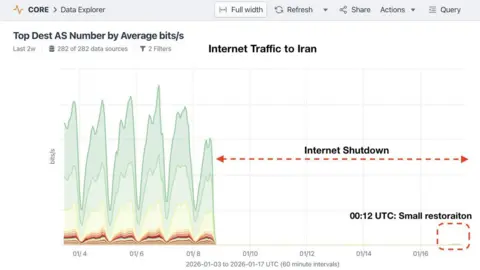
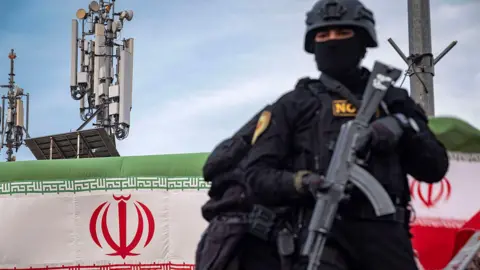
Iran is currently facing one of the most severe internet shutdowns in history, initiated to regain control amidst rising dissent against the government. The outage, affecting nearly 92 million citizens, has disrupted even basic communication methods like texting and phone calls.
The Iranian government announced the internet blackout on January 8, asserting it was a necessary action against supposed "externally directed terrorist operations." Meanwhile, Iranian Foreign Minister Abbas Araghchi has justified the move by linking it to the broader crackdown on protests.
Reports indicate an unsettling prospect of this disruption becoming a permanent fixture. Government spokesperson Fatemeh Mohajerani hinted that complete internet restoration wouldn't occur until after the Iranian New Year in late March. Observers from FilterWatch fear that the regime is implementing structural changes to isolate Iran permanently from international cyberspace.
Evolving From Temporary Outage to Full Digital Isolation
Historically, Iran has viewed internet shutdowns as a method to mask state violence during protests. However, the duration and intensity of the current outage mark a new level of digital control. Past communication restrictions have been lifted relatively quickly, but this time, key analysts predict a shift towards a distinctly separate Iranian internet that could mimic systems in authoritarian states like Russia and China.
Human Rights Activists News Agency (HRANA) reported alarming statistics, including over 3,300 confirmed deaths among protestors and 24,266 arrests. The government's internet policies complicate efforts to assess the situation independently, leading to fears regarding accountability and oversight.
Analysts emphasize that the issues at stake go beyond simple internet access; they encompass fundamental human rights, as the state apparatus tightens its grip on what citizens can say, see, and do online.