In brief
As Iran marked the 47th anniversary of its revolution, the atmosphere in Tehran was a juxtaposition of jubilant celebrations and growing unrest. While government-organized rallies filled the streets with slogans and festive cheer, dissenting voices echoed calls for change and frustration over economic hardships, revealing a nation at a crossroads amid internal challenges and international scrutiny.
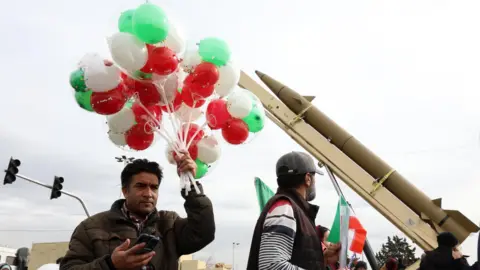
Tehran came alive last night as the city celebrated the 47th anniversary of the Iranian revolution. Clock-striking celebrations erupted, with chants of God is greatest resonating through the streets and accompanied by vibrant fireworks illuminating the sky.
However, this year's festivities were tinged with discontent, as ominous shouts of death to the dictator pierced through the festive atmosphere, reflecting the unrest that swept through Iran in recent weeks.
This was the first visit to Iran by our team since widespread protests erupted last month, resulting in significant fatalities and a harsh governmental crackdown. The muted celebrations contrasted sharply with the heavy tensions and societal grievances that have come to the forefront due to spiraling costs and calls for reform.
In recent weeks, the security forces met large-scale protests with unprecedented force, leading to a heartbreaking rise in casualties that left many families mourning their losses. The capital is now filled with flags and decorations, in a symbolic representation of the ten days of dawn commemorating the revolution that changed Iran's trajectory in 1979.
This juxtaposition is manifest as the Iranian populace finds themselves at a crossroads, grappling with soaring inflation, calls for an end to clerical rule, and the overarching challenges imposed by international sanctions.
President Masoud Pezeshkian, amidst the celebratory atmosphere, acknowledged the people's grievances, expressing a willingness to address the country’s pressing issues. Yet, firm lines have been drawn by the ruling clerics against perceived dissent, illustrating the delicate balance of power at play.
As families marched alongside government loyalty supporters, the stark divide in sentiments was evident, underscoring a nation caught between celebration and a longing for reform. We are here, we want change, echoed through heart-wrenching stories of loss and hope from those enduring economic hardships.
The Islamic Republic stands at a pivotal juncture, where echoes of dissent may shape the future not just of this country, but its place in the broader geopolitical landscape.