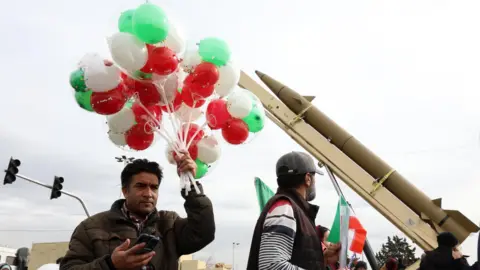
As the clock struck nine on February 11 in Tehran, jubilant celebrations marked the 47th anniversary of the Iranian Revolution. Fireworks illuminated the night sky, and chants of 'God is great' resonated from balconies and windows across the capital. However, this year’s celebrations were tinged with a palpable tension as cries of 'death to the dictator' emerged from the shadows, reflecting widespread dissatisfaction with the government.
Last month, Iran witnessed an extraordinary wave of protests that resulted in a brutal crackdown, marking one of the most violent uprisings in recent memory, with thousands reportedly killed. High inflation and rampant economic mismanagement have only exacerbated public anger, leading to calls for political change and a repudiation of clerical rule.
The atmosphere in Tehran starkly contrasts with previous visits, particularly following a conflict with Israel that left the city weary and traumatized. The recent public displays of loyalty—including families parading with flags and images of Supreme Leader Ayatollah Khamenei—also serve as a counter-narrative to the protests, as state-organized rallies filled the streets with supporters expressing unwavering allegiance.
President Masoud Pezeshkian addressed the crowd from Azadi Square, affirming the regime's resolve against perceived external enemies while admitting to government failings. He promised to listen to the voice of the people, highlighting the pressures of rising costs and calls for reform in a society at a crossroads.
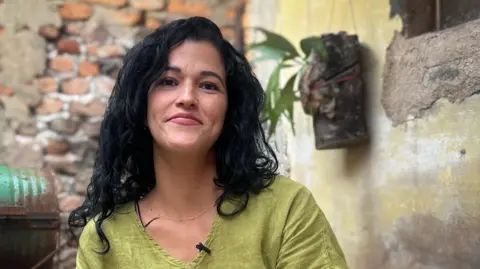
While state-organized events aimed to fill the streets with loyalty, many citizens voiced their concerns about economic hardships and human rights abuses. Ghazal, a young woman, lamented, 'So many young people were killed,' capturing a sentiment echoed among many Iranians grappling with the fallout of economic crisis and governmental repression.
This year's anniversary stood as a poignant reminder of the complex landscape within Iran—a country steeped in historical legacy yet facing a future marred by discontent and unrest. The Islamic Republic finds itself challenged not only by external opposition but also by an increasingly restless populace demanding change.