Youth Uprising in Bangladesh: A New Political Era Awaits?
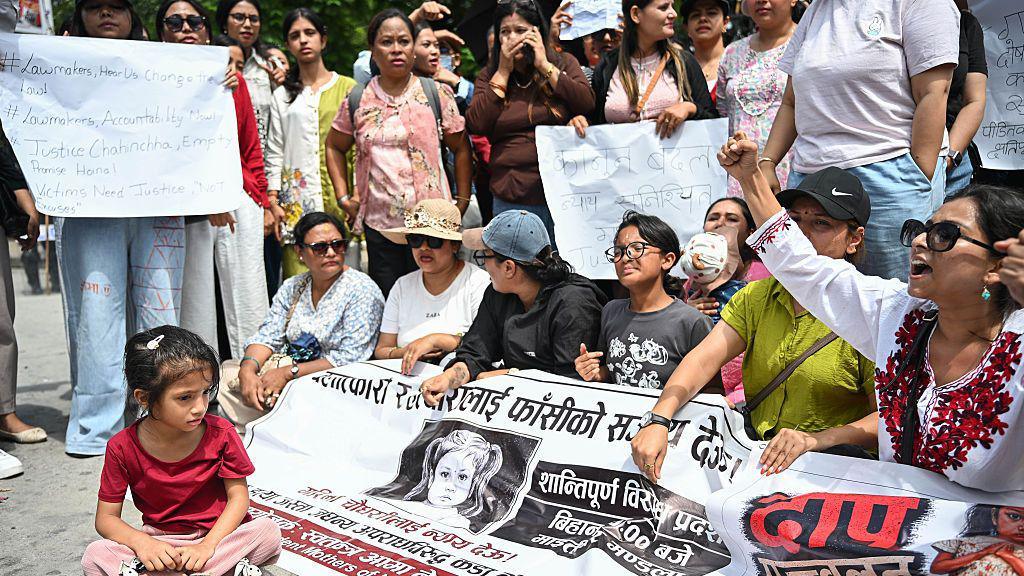
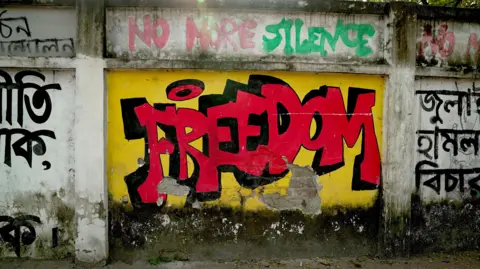
In a historical shift, the youth-led protests in Bangladesh culminated in the ousting of long-time leader Sheikh Hasina, creating a moment of hope for a new political landscape.
Rahat Hossain, a key figure in these protests, recalls the harrowing moments of violence that spurred the demonstrations. Despite the initial triumph, as elections draw near, the optimism surrounding a student-led political renaissance is tempered by concerns over internal divisions within their ranks and the potential resurgence of traditional political powers.
The National Citizen Party (NCP) formed by student leaders, struggles with fractured unity, which is compounded by the sidelining of female voices often at the forefront of the protests. Meanwhile, established parties like the BNP and Jamaat-e-Islami are positioning themselves to capitalize on the NCP's vulnerabilities.
As the number of female candidates remains unacceptably low and public disillusionment grows, Hossain voices his disappointment in the newly formed government’s inability to meet the aspirations for a 'beautiful Bangladesh' characterized by fairness and justice.
With the impending elections on 12 February and Bangladesh's young electorate eager for change, the questions loom: Will the revolution yield true democratic governance? Can the NCP withstand the robust presence of the BNP and Jamaat, who have long histories in the political arena? The resilience of youth and their ability to steer the nation toward meaningful reform hangs in the balance.