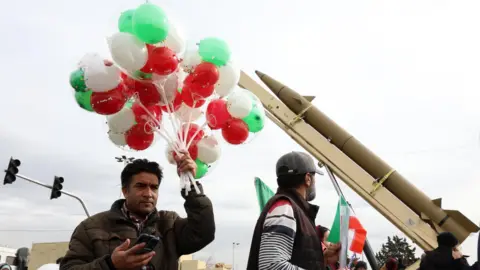
As clocks struck nine across Tehran on Tuesday, the night skies filled with sound in celebration of the 47th year of the Iranian revolution. From hotel balconies, we listened to the chants of God is greatest rising from rooftops and roared from windows, accompanied by fireworks lighting up the sky.
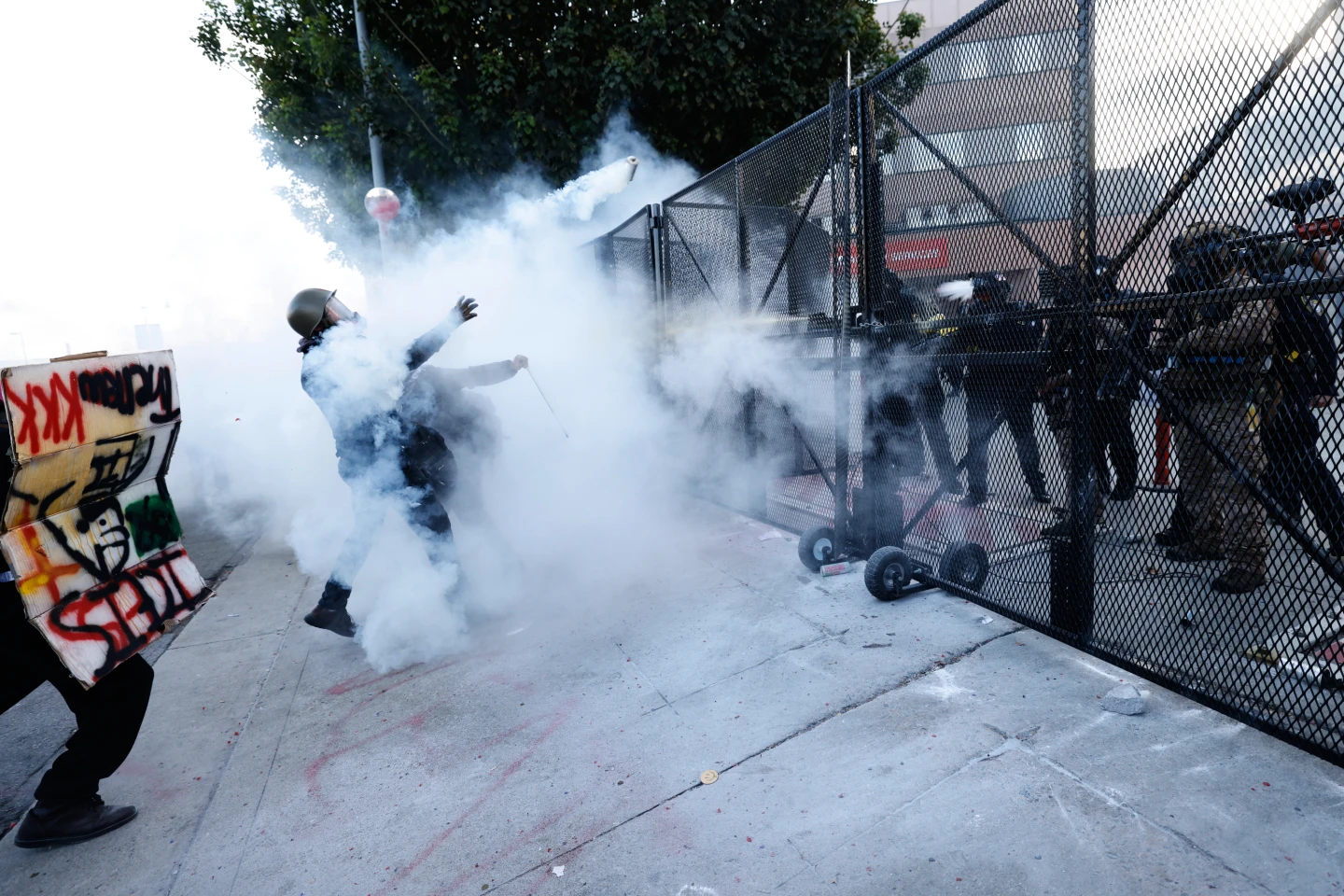
This year, however, amid the annual explosion of color and sound, a discordant note emerged. Alongside the celebratory remarks, the chilling words death to the dictator reverberated through the city's streets, reflecting the recent wave of protests met with lethal force and significant loss of life.
This marked our first trip to Iran since the protests and as authorities began to slowly lift their Internet blackout, the vibrant mood of the capital stood in stark contrast to our visit last June during heightened tension from military escalations with Israel and threats against Iran's nuclear sites.
The expansive city, nestled against the stunning backdrop of Mount Damavand, decorated with flags and bunting to honor the ten days of dawn, is experiencing a profound internal conflict. Rising economic challenges and growing dissatisfaction with clerical governance have intensified the voices of dissent that were vocalized in last month’s protests.
President Masoud Pezeshkian addressed the crowds, condemning enemy propaganda while also acknowledging the government's failings, emphasizing a readiness to listen to the people's voices. His words represent the delicate balance the regime is trying to maintain amid escalating frustrations and demands for democracy.
With every uttered cry for freedom and justice, Iranians find themselves at a historical crossroads. The anniversary celebrations, filled with conflicting messages of loyalty and dissent, encapsulate the deep rift in Iranian society, signaling an era ripe for change.