In brief
As protests sweep Iran, individuals both within the country and in the diaspora express their views on potential US intervention amid growing unrest. Some see it as a necessary support, while others fear the repercussions of foreign involvement. Through personal accounts, the complexity of the situation in Iran unfolds, highlighting the urgent calls for reform and the deeply felt anxieties over the safety of loved ones.
For Mojdeh and her husband, the question of US intervention in Iran is personal. They traveled from Washington, DC to Tehran expecting a routine visit, only to find themselves in the center of escalating protests. Life was on pause, Mojdeh noted as they experienced the days and nights filled with uncertainty and fear.
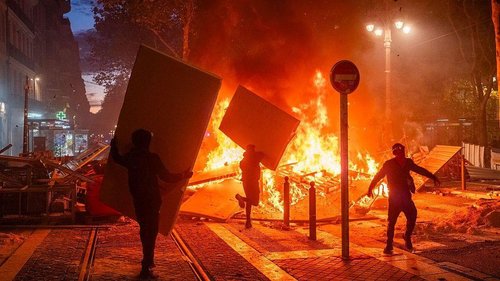
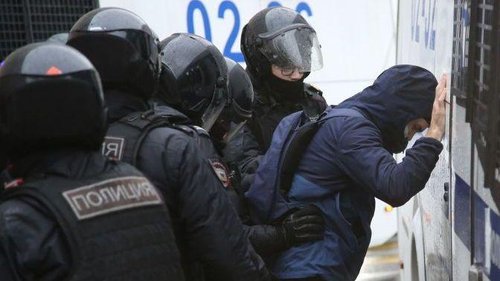
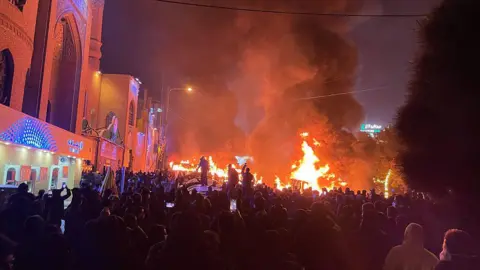
The protests in Iran, ignited by economic hardship and demands for change, saw security forces respond with lethal force, making it difficult to ascertain the true toll of the chaos. As of January, various human rights organizations reported thousands of deaths, a grim confirmation of the state's handling of dissent.
The couple, among many Iranians abroad, grapples with the notion of US assistance. While Mojdeh expressed skepticism about military actions, her husband highlighted an awareness of desperate sentiments among those inside Iran who view potential intervention as a form of support rather than an aggression.
Various perspectives emerged from the Iranian diaspora. Shirin from California expressed hope for intervention to stop violence, while Roozbeh, an activist, cautioned against the risks that previous interventions pose for individuals still in Iran. With memories of past uprisings lingering, many fear for their family and friends under the regime's suppressed governance.
However, some like Ali, who once pursued reform within Iran, expressed a disheartening belief that without outside pressure, change would remain unattainable. He supports targeted strikes against key regime figures as a means to create the space for revolution from within.
The growing seriousness of the protests combined with government crackdowns has left many Iranians feeling a profound anxiety about the future. As Shirin poignantly stated, it's not just about their family, but for the 90 million people living under the regime's oppressive reign.
This ongoing struggle highlights the intertwined fates of those in Iran and the complex moral questions facing their counterparts abroad as they ponder the role of foreign intervention amid a profound domestic crisis.