Warning: The following story contains graphic details of violence which some readers might find upsetting.
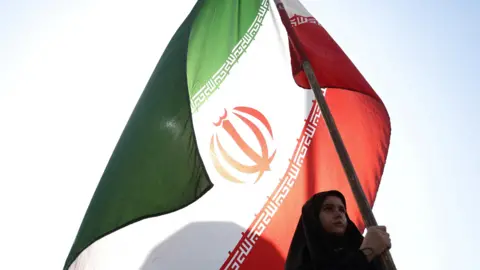
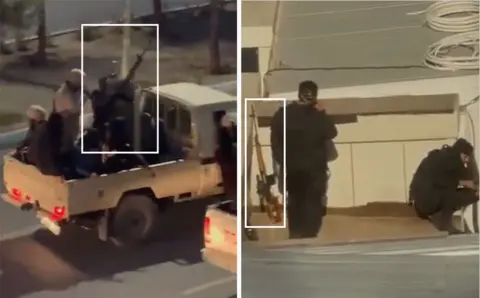
A recent analysis by BBC Persian exposes the alarming extent of violent repression exercised by Iranian security forces against demonstrators, employing a diverse arsenal of weapons ranging from machine guns and sniper rifles to shotguns and even machetes. The roots of the protests are said to lie in economic grievances that have spiraled into fierce civil disobedience across various cities.
Amid this unrest, a chilling narrative has emerged of a government crackdown that witnesses and human rights organizations liken to one of the largest mass killings in contemporary Iranian history. Thousands have been reported dead or severely injured, with the brutality of enforced control being underscored through shared images and videos analyzed by BBC Persian.
According to former UN prosecutor Payam Akhavan, what we are witnessing is unprecedented violence that bears resemblance to acts of terror. To further exacerbate the intensity of the situation, the Iranian government attributes the chaos to 'rioters and terrorists', indicating a deepening polarization in the socio-political landscape.
This report aggregates detailed accounts of the diverse weapons used against civilians:
- Machine guns
- Sniper rifles
- Assault rifles
- Shotguns
- Handguns
- Pellet-firing paintball guns
- Tear gas
- Machetes
- Knives
- Batons
- Large wooden clubs
The analysis highlights a range of violence including lethal force from sniper rifles, tearing through crowds of protesters and manifesting in severe bodily harm. Eyewitnesses recount harrowing moments of encountering security personnel wielding menacing firearms or bludgeoning protesters into submission.
One documented instance reveals a sniper shooting a protester in the head, resulting in fatal repercussions. Meanwhile, assaults with machetes by plainclothes agents throw additional layers of brutality into the mix.
The implications of these finding command global scrutiny, calling forth discussions on human rights violations, governmental accountability, and the violent repercussions of political dissent.