Bowen: U.S. War in Iran Ends, Exposing Limits to Global Power
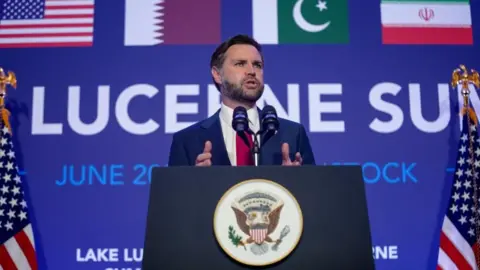
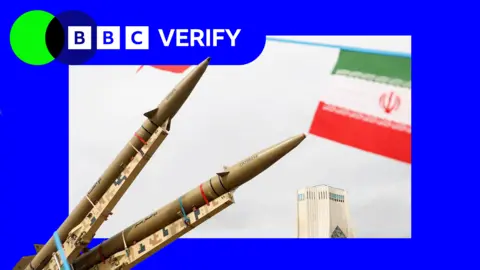
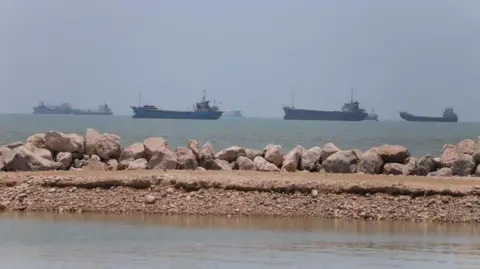
On 12 June, a signed memorandum of understanding between the United States and Iran concluded a week‑long conflict that began with the Trump administration’s conventional war offensive. Jeremy Bowen of BBC News reports that the deal not only re‑opens the Strait of Hormuz but also lifts the U.S. Navy’s blockade of Iranian ports, marking a dramatic shift in the geopolitical landscape.
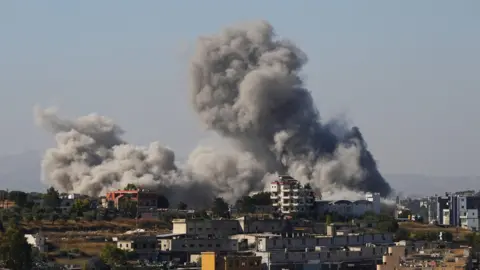
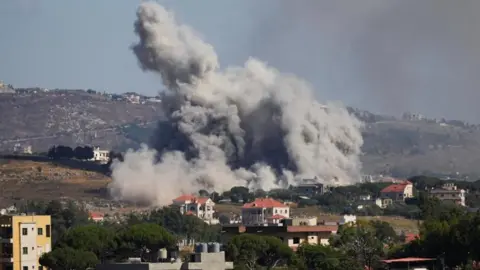
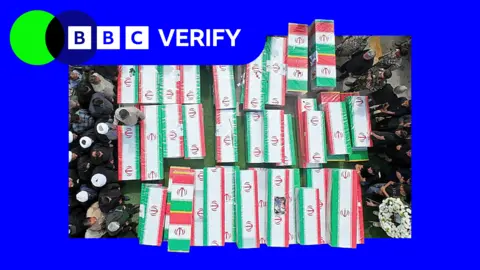
The conflict, which started on 28 February, was predicted by U.S. and Israeli leadership to be swift and decisive. Instead, it dragged on, damaging thousands of buildings, killing over 200 civilians—including more than 120 children in the Minab school attack—and eroding America’s reputation for military efficacy. Bowen emphasizes that the war “revealed the limits of U.S. dominance” in an era where emerging powers like China are watching closely.
Key ramifications include the strain on Gulf alliances, as oil‑producing monarchies re‑evaluate relationships with Iran. The memorandum allows nuclear negotiators to reconvene, setting the stage for a potential 30‑point deal that will address Iran’s nuclear ambitions in exchange for further sanctions relief.
The stakes also extend to Israel. While the war’s outbreak was a joint U.S.–Israeli operation, the memorandum excludes the Israeli government, leaving the prime minister under political pressure. The continued occupation of southern Lebanon and potential annexation of Lebanese land remains a flashpoint, threatening US‑Israel relations.
Bowen notes that the conflict’s end does not equate to peace. A future comprehensive accord remains unlikely due to deep ideological divides and distrust—making the memorandum a temporary relief rather than a transformative bargain.