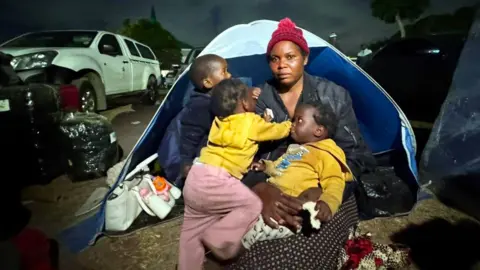
South Africa’s most‑southern border city, Durban, has become a flashpoint for undocumented migrants. A group of men arriving with machetes and whips reportedly told a 36‑year‑old Malawian woman, Esnat Joseph, that she and her newborn triplets must leave the country by June 30.
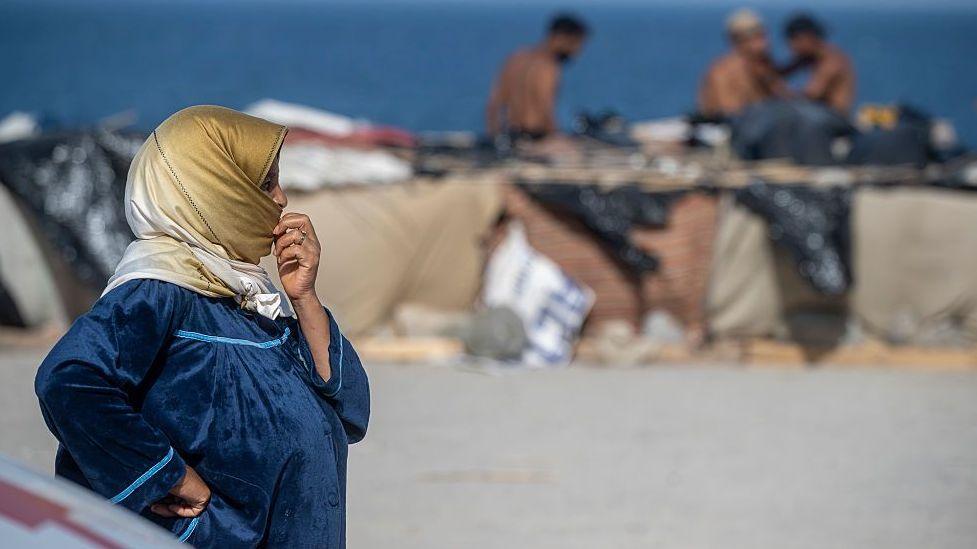
Joseph, who arrived three years ago and whose passport was lost in a robbery, now shelters with her children in an open field where about 7,000 foreigners—most Malawians—wait for repatriation buses. The men’s threat echoes past xenophobic incidents, raising fears that violence could repeat the tragedy of 2008.
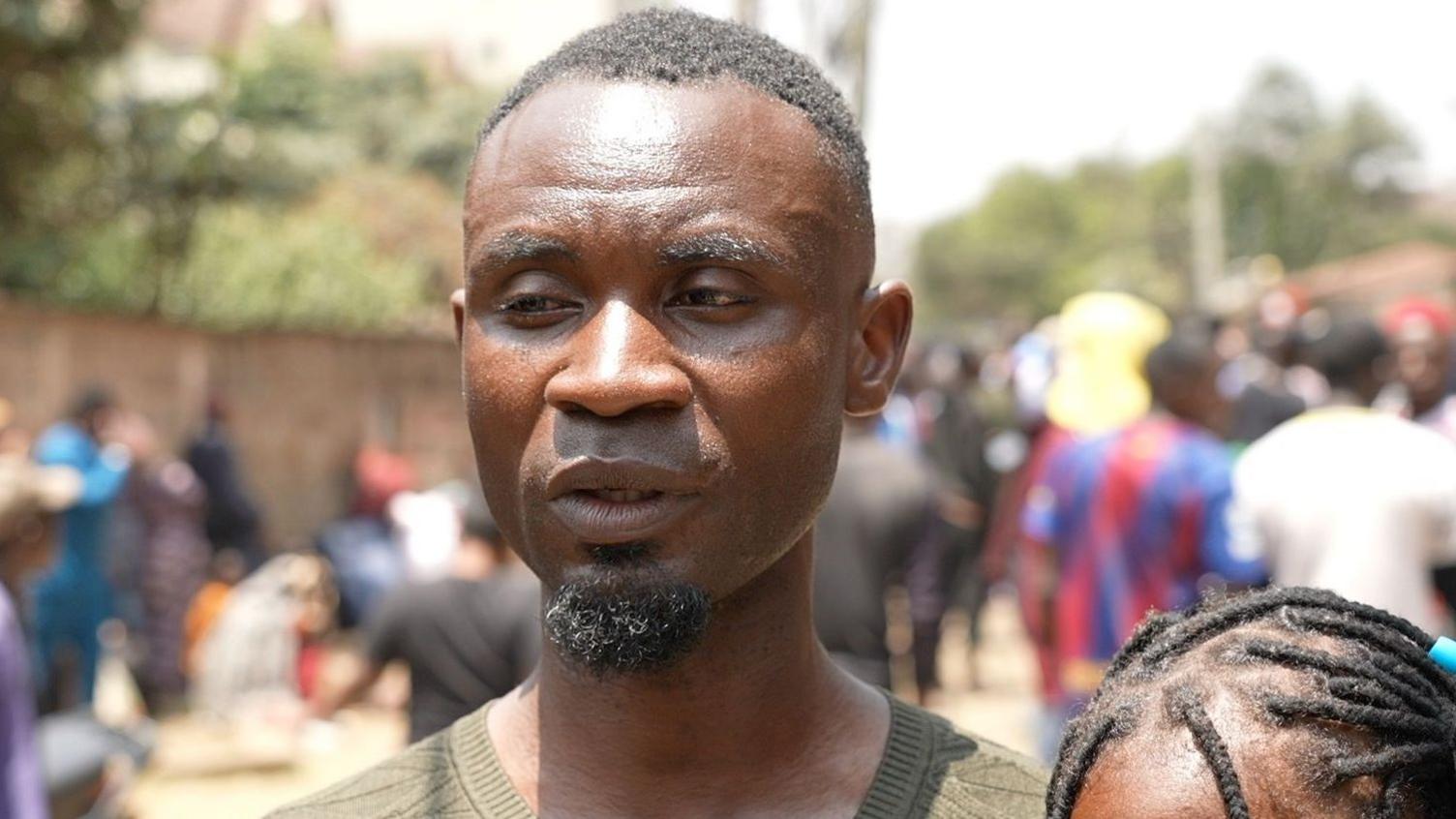
Commuters, teachers and traders in Durban’s informal settlements report door‑to‑door intimidation, while some illegal migrants have taken refuge outside the Home Affairs office. “I am very afraid for my children’s safety,” one Burundian mother said. In Cape Town, a beauty therapist told a story of an Uber driver repeatedly asking for her papers.
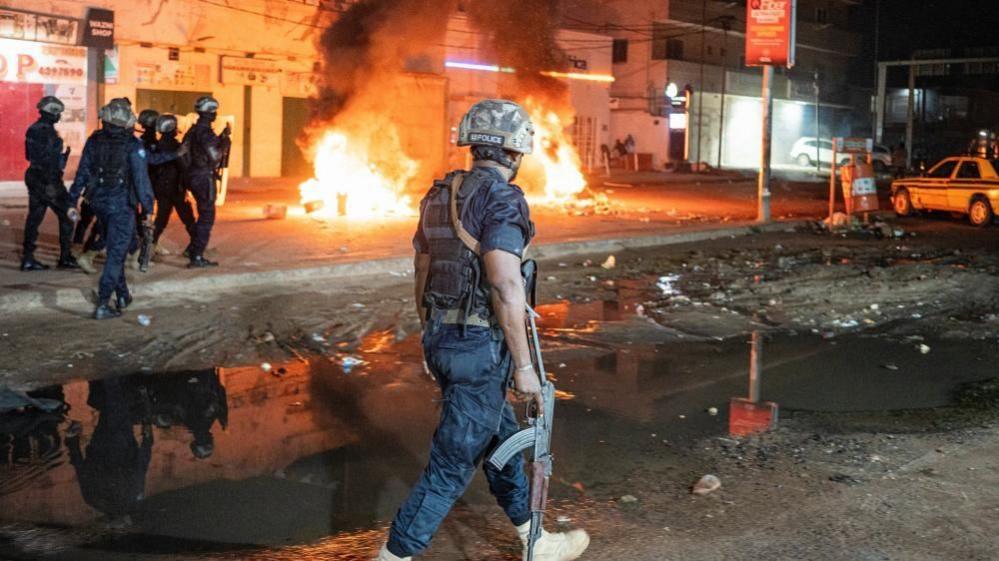
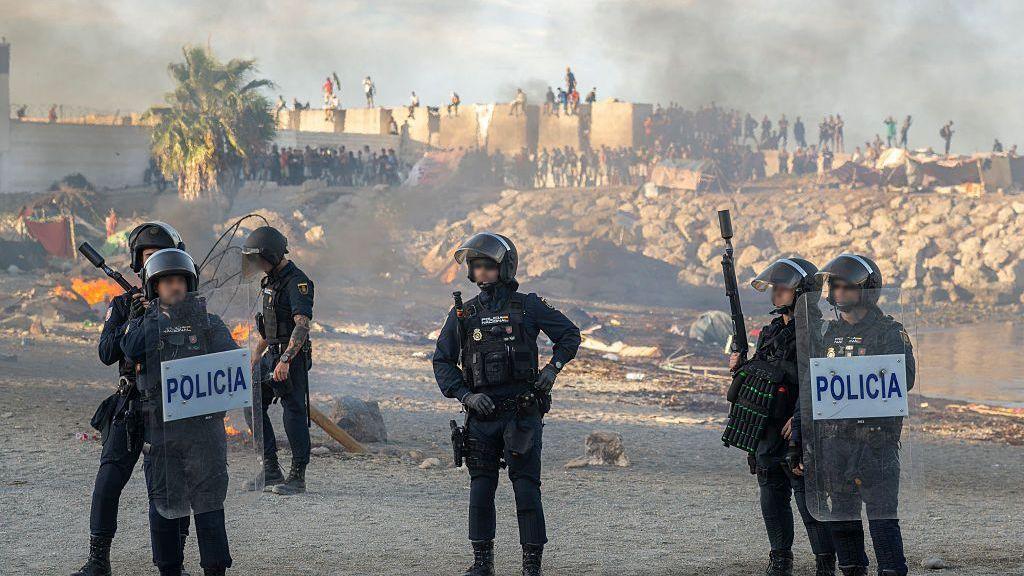
Protestors—led by the movement March and March, ActionSA and other parties—have staged marches that shout “Mabahambe” (“They must go”) and chant “Siyahamba” as they prepare to depart. The protests have largely stayed peaceful, but some slogans have become inflammatory, with social media clips showing protesters demanding people reveal their nationality.
President Cyril Ramaphosa has condemned “the scapegoating of vulnerable people” and warned that the country’s 32.7‑percent unemployment rate and strained public services contribute to the unrest. He announced a five‑point strategy: strict enforcement of the Immigration Act, a quota for naturalisation, digital identification for non‑citizens, protection for migrants in secure facilities and punitive measures for employers who rent undocumented staff.
The government’s Operation New Broom has bulldozed informal vendors in Johannesburg’s downtown area, citing security concerns. In the same vein, the Ministry of Home Affairs reported 40,000 arrests of illegal immigrants this year.
Political parties also tie the crisis to elections, with some leaning on anti‑migrant rhetoric to gain votes. Human‑rights lawyer Sharon Ekambaram criticized the narrative that “all problems are the migrants”, arguing that the root of poverty is deep systemic inequality.
While protests continue, international bodies like the Clean‑Covid‑International commission have urged South Africa to safeguard the rights and safety of all foreign residents. The looming deadline and nightly depopulation trains are raising urgent questions about what kind of future South Africa will choose—one that “prioritises citizens” or one that embraces the region’s migration realities.