Bolivia Declares State of Emergency Amid Intensifying Road‑Block Protests
On Saturday, President Rodrigo Paz announced a state of emergency following weeks of nationwide protests demanding his resignation.
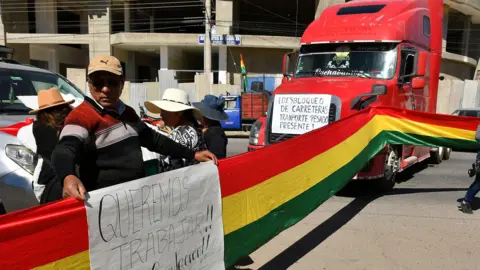
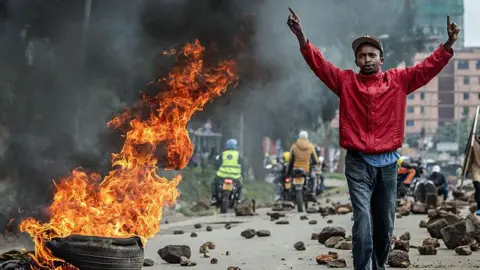
The proclamation grants him expanded powers to clear road blocks that have crippled basic goods and shut down major parts of the country. Army and police are now authorised to move through protest zones to restore traffic flow.
Under Bolivian law, Parliament must approve or reject the emergency decree within 72 hours of its declaration.
The blockades are coordinated mainly by miners, farmers and several indigenous movements. They began in late April over a proposed land‑reform that critics say would enable large landowners to buy out small farms. Though Paz later scrapped the reform, other grievances—such as cuts to fuel subsidies and constitutional changes—fuelled the unrest.
In the months of protests numerous people have died and hundreds were detained by security forces. Protesters demand the return of fuel subsidies, a rollback of austerity, and the resignation of President Paz. Others accuse him of orchestrating the protests, a claim the former Evo Morales has denied.
Paz says the crisis is an “organised attempt to destabilise the country.” He described the road blockades as “hostages” preventing people from working, studying, and receiving medical care.
Earlier that week, the president hit the headlines with a deal with the country’s main union, the Bolivian Workers’ Confederation, but Indigenous groups have said the blockades will remain. Meanwhile, police and military forces have been seen occupying major squares.
Despite slashing his and his cabinet’s salaries in half and forming a new council to negotiate with the protest groups, the unrest has continued unabated.
Last month, Congress passed a bill easing the president’s ability to declare emergencies and mobilise troops against protests. This move follows an earlier parliamentary adoption that allowed troops to be deployed to quell mass demonstrations.