Perspectives on U.S. Intervention: Voices from Iran and Abroad
For Mojdeh and her husband, the question of US intervention in Iran is personal. In early January, they traveled from their home in Washington, DC to Tehran to visit family—expecting a short, routine trip. Instead, protests spread, flights were cancelled, and they found themselves stranded in a city that no longer felt predictable.
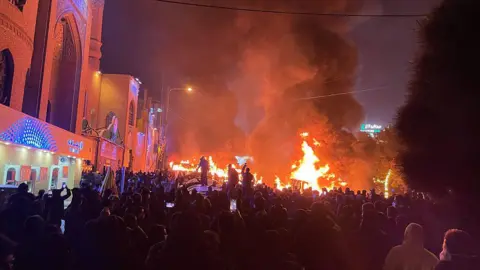
Life was on pause, Mojdeh reflected, especially at night when the internet and phone networks went dark. Although they did not plan to protest, the escalating chaos compelled them to join demonstrations on the nights of January 7 and 8. If you left your house, you saw it, she said, indicating the overwhelming nature of the unrest.
Protests erupted across Iran, sparked by economic hardship and a plunging currency, soon escalating into calls for an end to the Islamic Republic. The death toll varies dramatically; human rights organizations report thousands have died amidst brutal crackdowns by security forces. Iranian authorities, however, downplay the fatalities.
During this turmoil, U.S. President Donald Trump expressed support for the Iranian protestors, prompting mixed feelings among those with ties to Iran. Mojdeh's husband noted that many compatriots in Iran perceive U.S. military involvement as potentially helpful rather than an invasion.
Discussions around foreign intervention lead to deep divisions among Iranians. Shirin, an Iranian-American from California, calls for international action, emphasizing that if global stability is desired, intervention is necessary. Conversely, individuals like Roozbeh Farahanipour advocate that any regime change must come from within, favoring internal unity over foreign involvement.
As political discussions unfold, activists and former citizens like Hemad Nazari argue that intervention might be the last resort for meaningful change. The best time to intervene was a month ago. The second-best time is now, he stated, highlighting a feeling of desperation among those who argue there's no other way left.
Additionally, while protests may have quieted, repression remains evident, with tens of thousands arrested during the protests. The unresolved debate about U.S. involvement permeates the sentiments of many, underscoring a complex interplay of fear, hope, and frustration among Iranians grappling with their future.
“It’s painful,” reflects Shirin, mirroring the collective anxiety over the wellbeing of 90 million Iranians still confronting the regime as the country slips deeper into unrest.