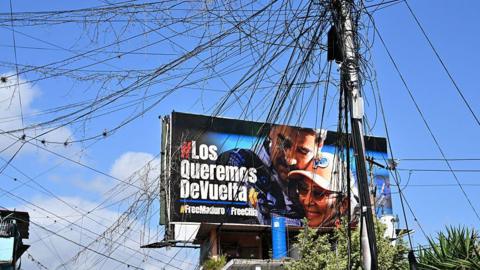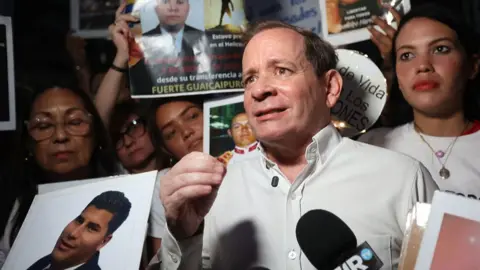
Venezuelan opposition leader María Corina Machado has reported that her colleague Juan Pablo Guanipa was kidnapped just hours after being freed from detention.
According to Machado, Guanipa, who heads the Justice First party, was taken in the Los Chorros neighborhood of Caracas.
Heavily armed men dressed in civilian clothes arrived in four vehicles and took him away by force, she expressed on social media early Monday morning.
After spending eight months in prison, Guanipa was among several political prisoners released since the U.S. seized Venezuela's then-President Nicolás Maduro in January.
His party stated that the kidnapping was executed by the repressive forces of the dictatorship while Guanipa was being transferred between locations. Witnesses claim that weapons were aimed at bystanders before Guanipa was forcibly taken into a vehicle.
Justice First declared its accountability of Delcy Rodríguez, Jorge Rodríguez, and Diosdado Cabello for any harm that may come to Guanipa, while also calling on the international community to demand his immediate release and to challenge the Venezuelan government's persecution of opposition figures.
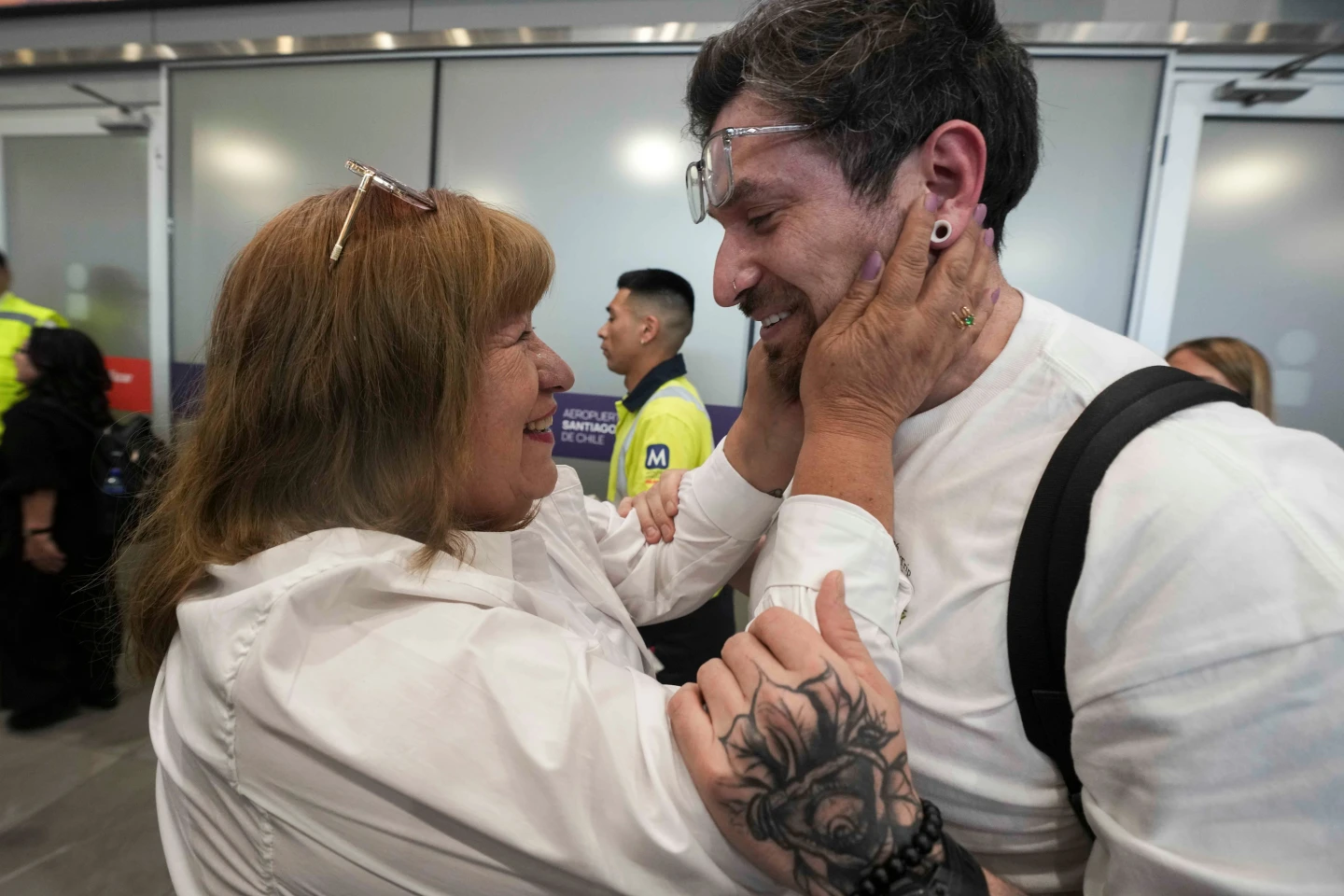
Just hours earlier, Guanipa’s son Ramón celebrated his father’s release on social media, expressing hope that the family would reunite soon. Following the kidnapping, Ramón released a video demanding proof of his father’s wellbeing and attributed the responsibility for his safety to the regime, calling for an end to the oppression against his family.
Guanipa was one of at least 30 political prisoners freed on Sunday, as reported by Foro Penal, an organization that assists political prisoners in Venezuela. Elected governor of the Zulia region in 2017, he was blocked from taking office after refusing to pledge allegiance to Maduro’s National Constituent Assembly.
He went into hiding after being accused of terrorism and treason for challenging the results of the 2024 elections and was subsequently apprehended by Venezuelan security forces in May 2025.
Opposition and human rights groups assert that the Maduro government has long issued detentions of political prisoners to eradicate dissent and silence critics, creating a climate of fear among those who oppose the regime.