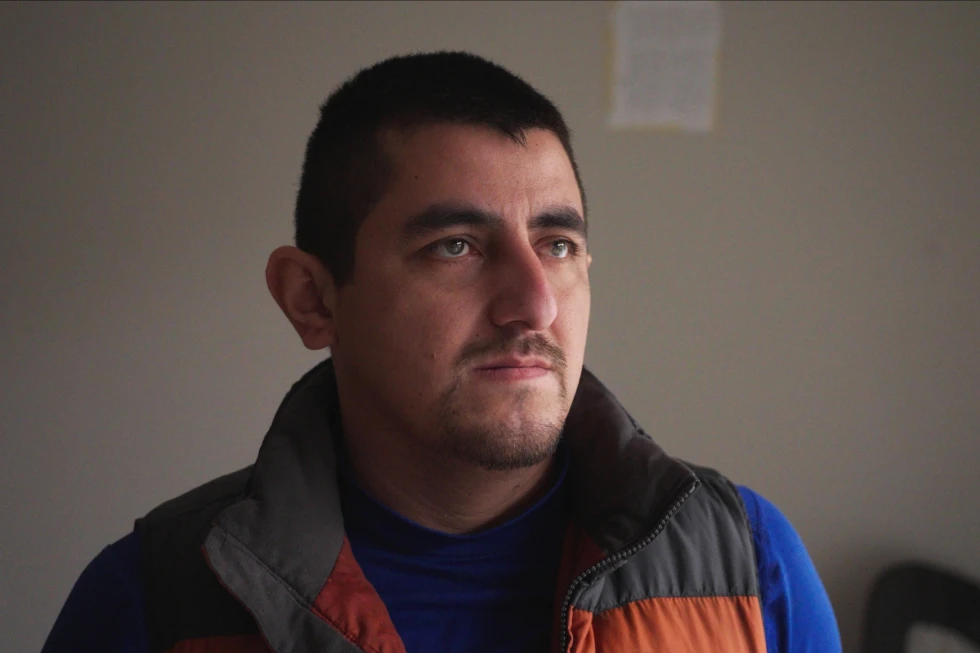
MINNEAPOLIS — The case of Alberto Castañeda Mondragón has drawn attention to the treatment of immigrants in detention facilities by ICE agents. After being forcibly removed from a friend's vehicle, Castañeda claims he was subjected to severe physical violence, resulting in multiple skull fractures and brain injuries.
On January 8, Castañeda Mondragón recalled his arrest outside a St. Paul shopping center where he was violently thrown to the ground, handcuffed, and struck multiple times, including with a steel baton. The violence allegedly continued at the detention facility, exacerbating his injuries.
Despite being beaten while in custody, Castañeda Mondragón has no criminal record, challenging ICE's narrative that it exclusively targets immigrants with violent histories. The circumstances surrounding his arrest, including claims made by ICE officers, are raising substantial questions about the accountability of immigration enforcement agents.
Unprovoked Violence and Evolving Accounts
Doctors expressing skepticism about the explanations given by ICE officers have settled on the idea that the nature of Castañeda Mondragón's injuries was inconsistent with their claims. They noted that injuries suffered were too severe to have been caused merely by a fall.
Once in the custody of ICE, Castañeda alleges officers resumed physical assaults against him, a claim he plans to back with a police report to initiate an investigation.
Calls for Accountability
The injuries sustained have not only resulted in visible scars but have sparked discussion among Minnesota lawmakers, including Governor Tim Walz, for an in-depth investigation into ICE practices. Castañeda's experience adds to growing concern regarding the treatment of detainees by federal agencies, leading to calls for significant policy reforms.
As more officials advocate for accountability, the spotlight remains on the practices and oversight of immigration enforcement in the state and the nation. This incident serves as a reminder of the urgent need for systemic change in how immigration is policed in America.