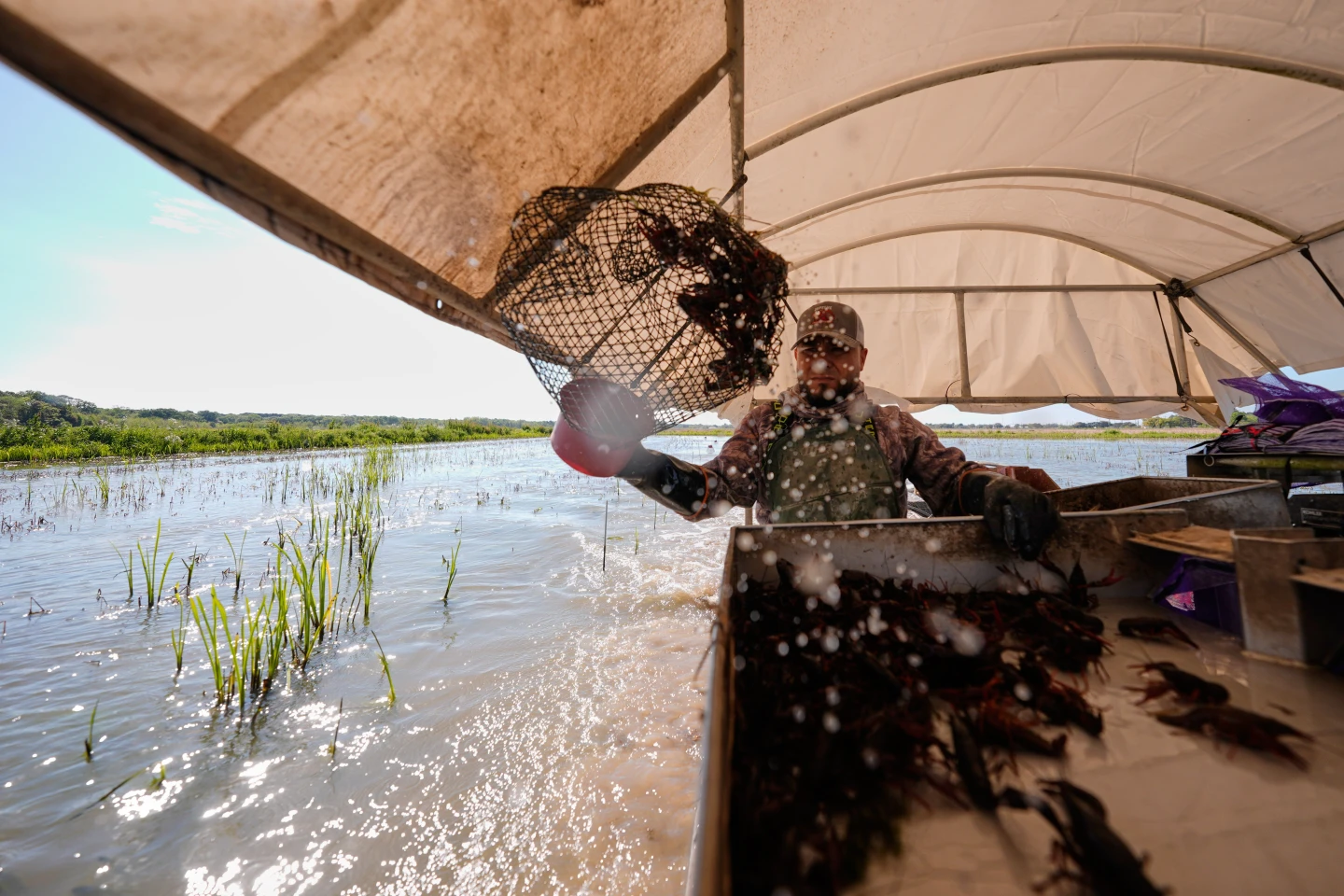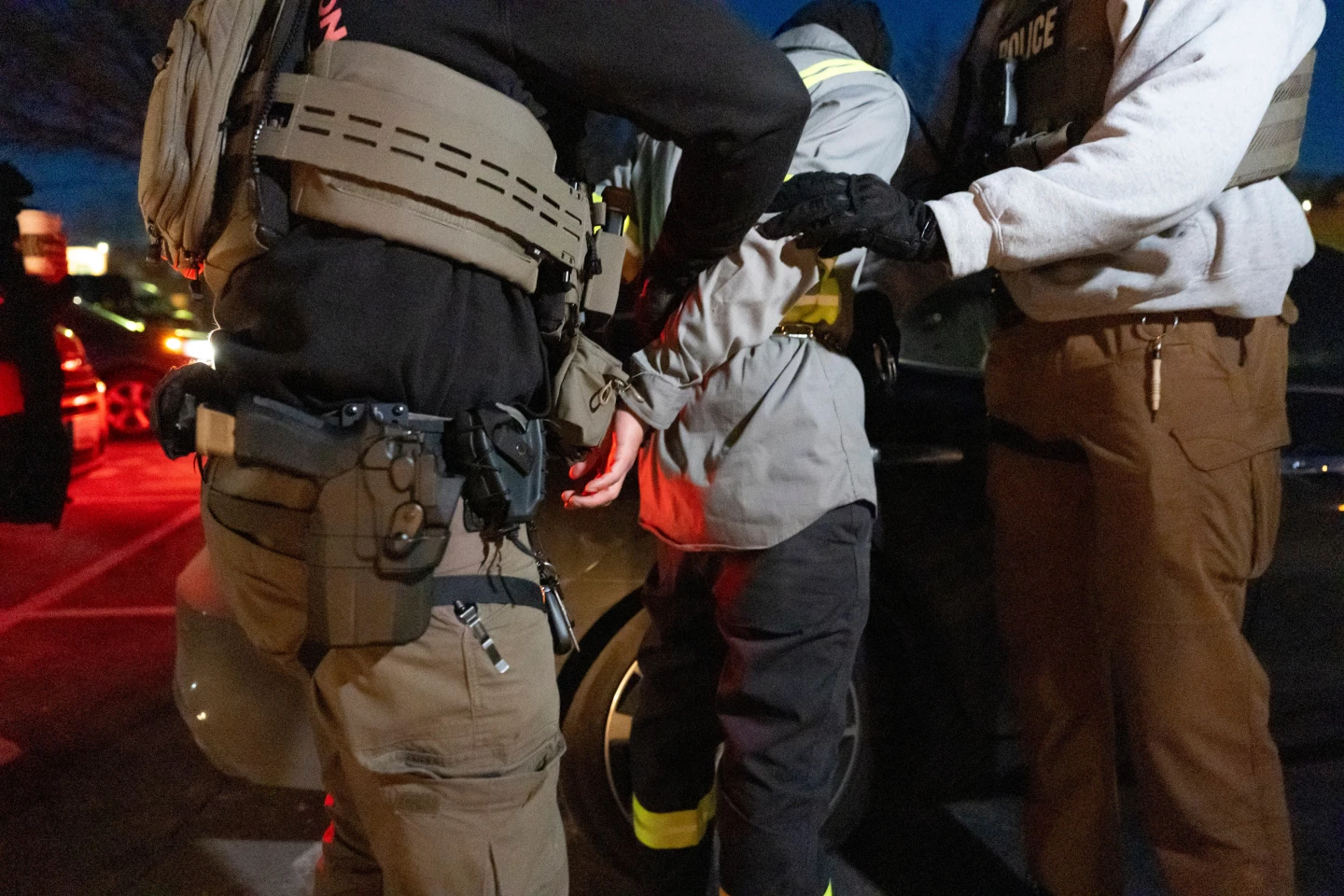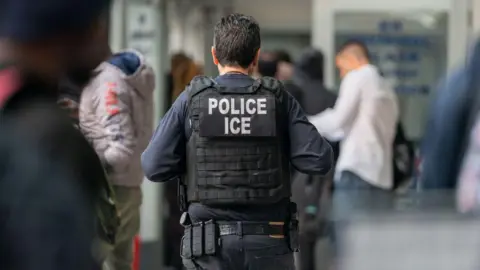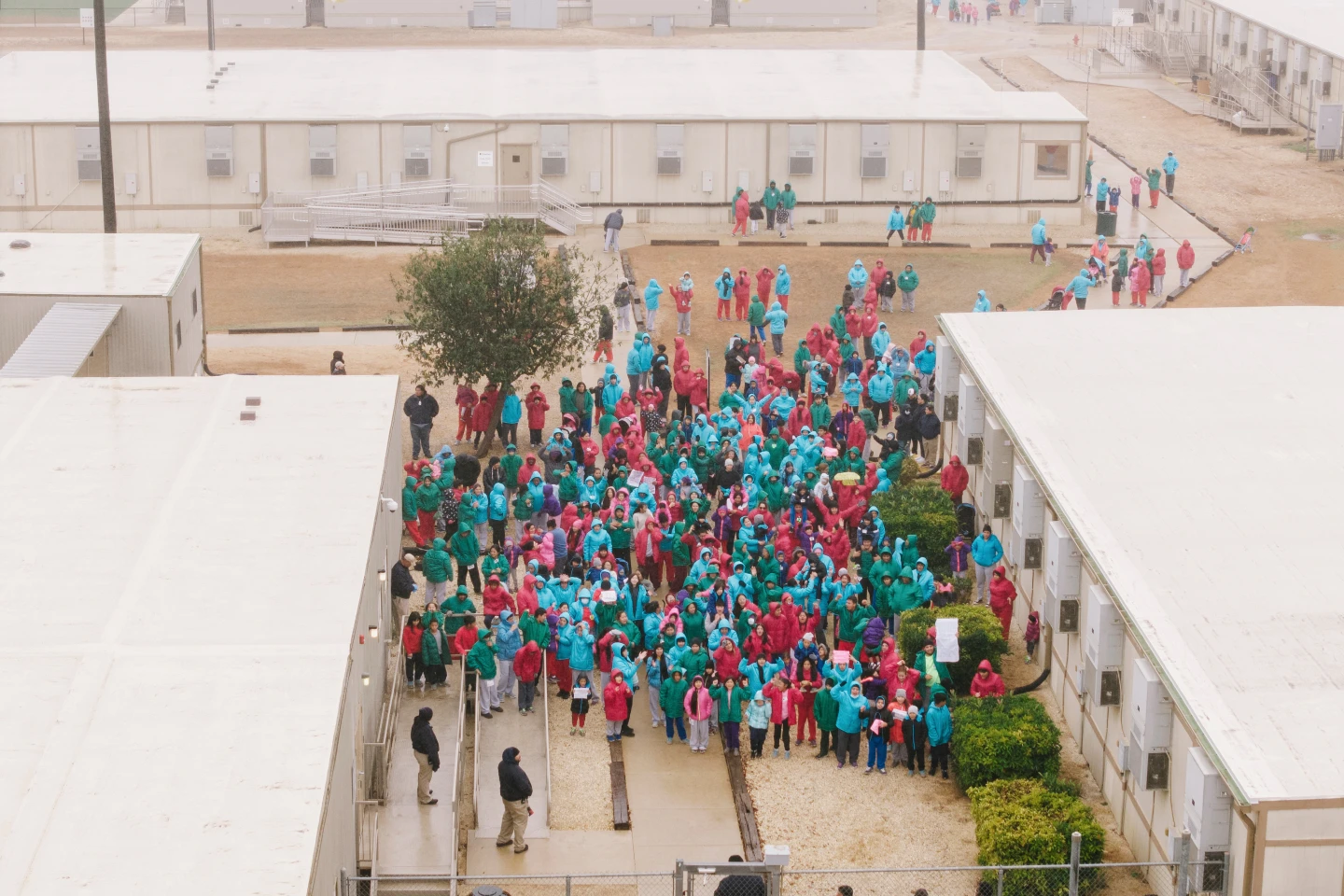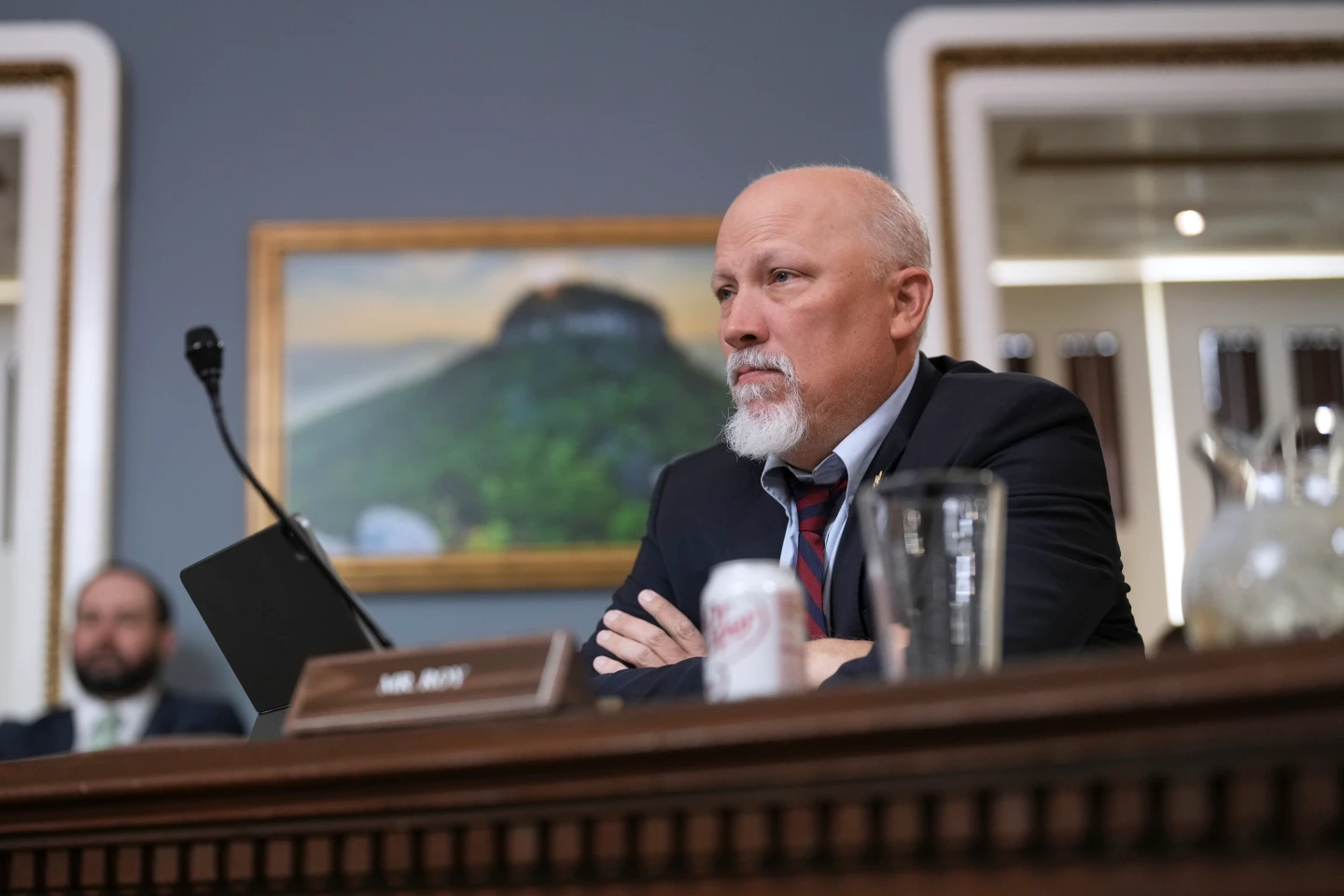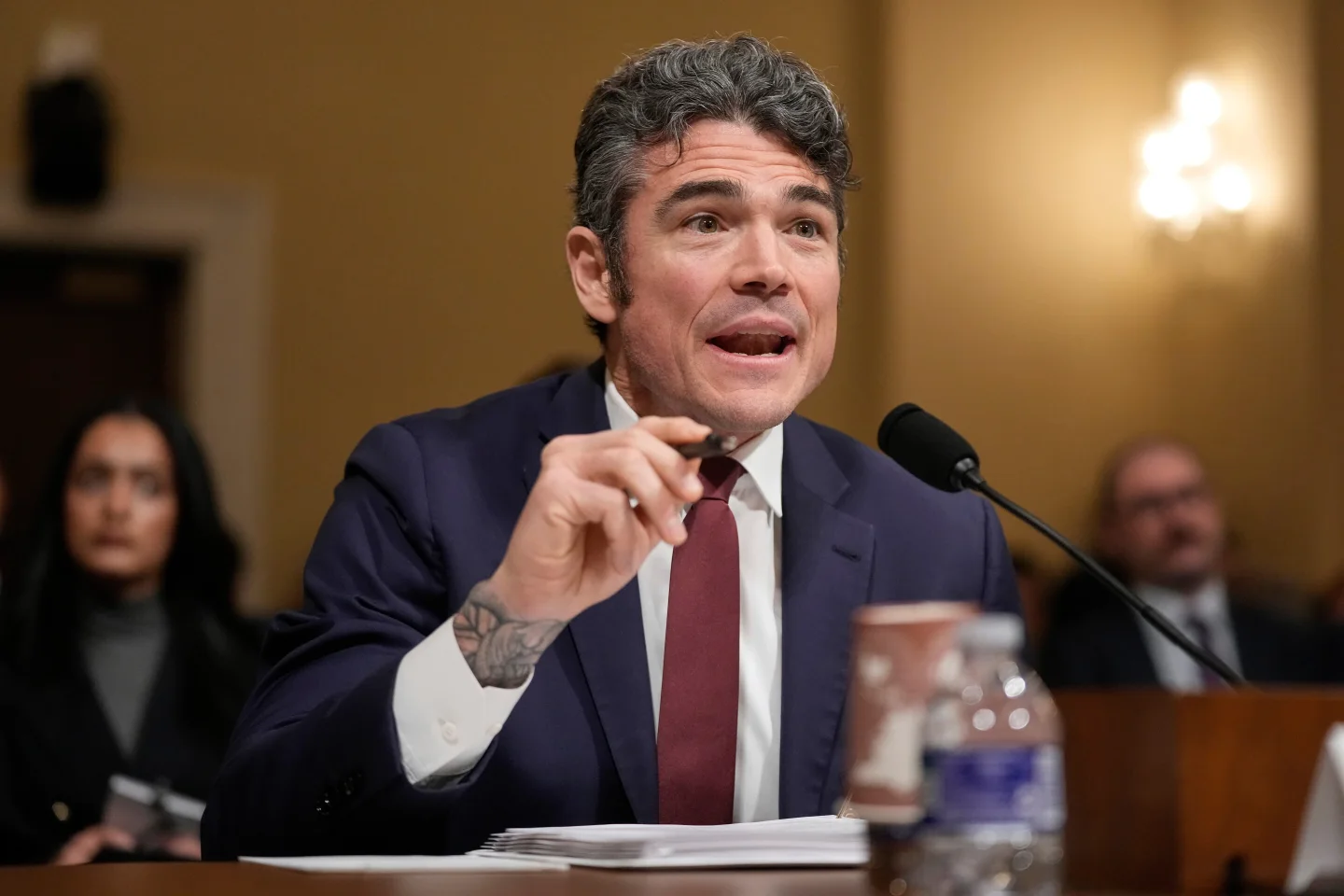
Recent immigration enforcement operations in the United States have stirred significant controversy due to their naming conventions. Operations such as Operation Dirtbag in Florida and Operation Catch of the Day in Maine have been labeled as 'offensive' and 'dehumanizing' by cornered political figures, particularly among Democrats. Congressman Jimmy Gomez has condemned such names, asserting they portray immigrants as 'sub-human.'
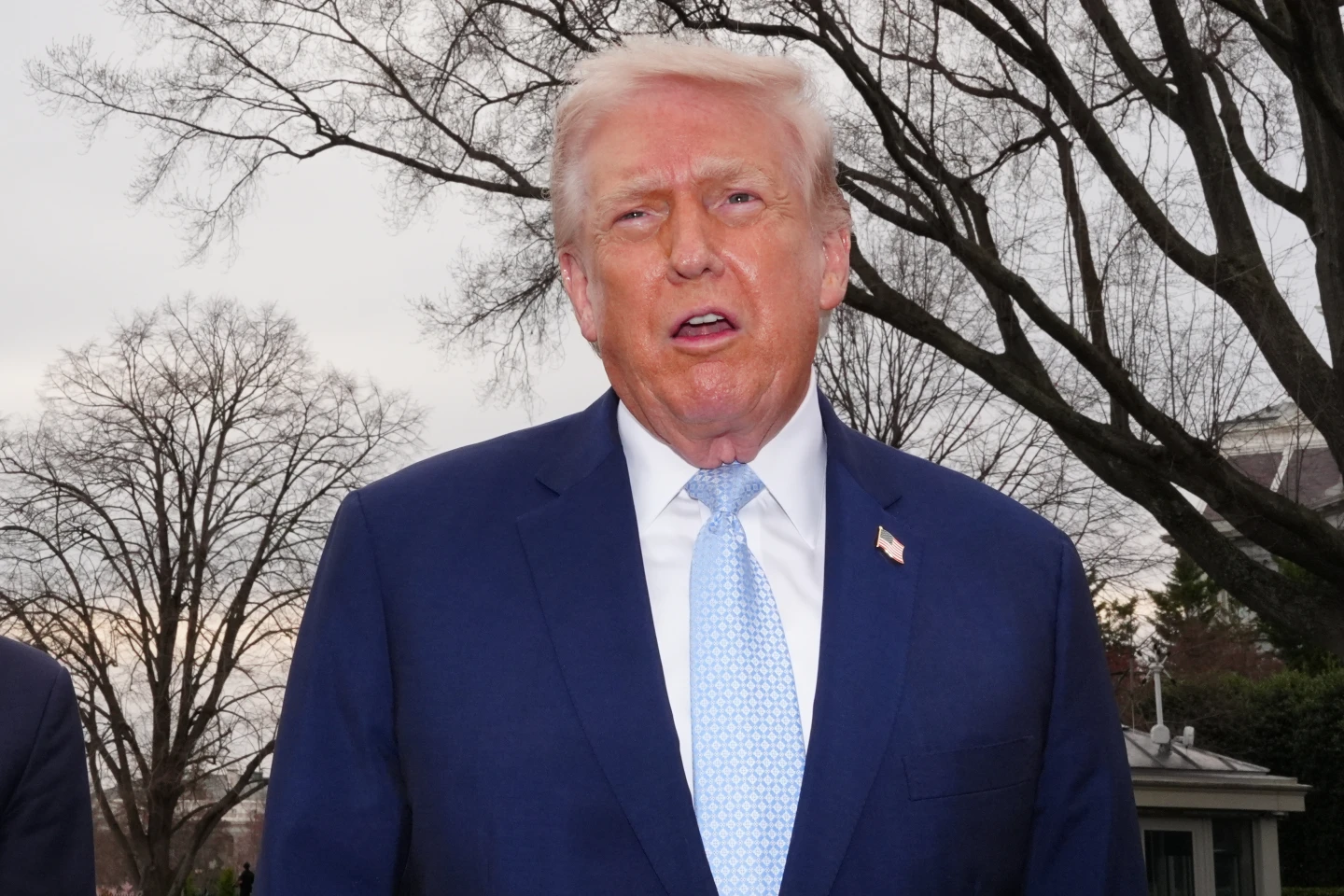
In contrast, Republican lawmakers maintain that these names demonstrate a serious commitment to strict immigration enforcement. Congressman Brandon Gill emphasized the operational names as a signal of the Trump administration's steadfastness on illegal immigration control.
This branding departure from traditional military operation naming, which typically favor benign or abstract names, has prompted discourse on the implications of using such flippant titles for serious humanitarian issues. Commentators argue that the current naming practices serve to communicate an underlying motivation and justification for aggressive enforcement tactics against immigrant populations.
Furthermore, backlash has arisen from specific operations that borrow names from popular culture, causing further rift among party lines. The administration name-dropped the popular 1952 children's book, Charlotte’s Web, during an ICE sweep in Charlotte, North Carolina, igniting protests from cultural stakeholders citing a significant deviation from the book's themes of compassion.
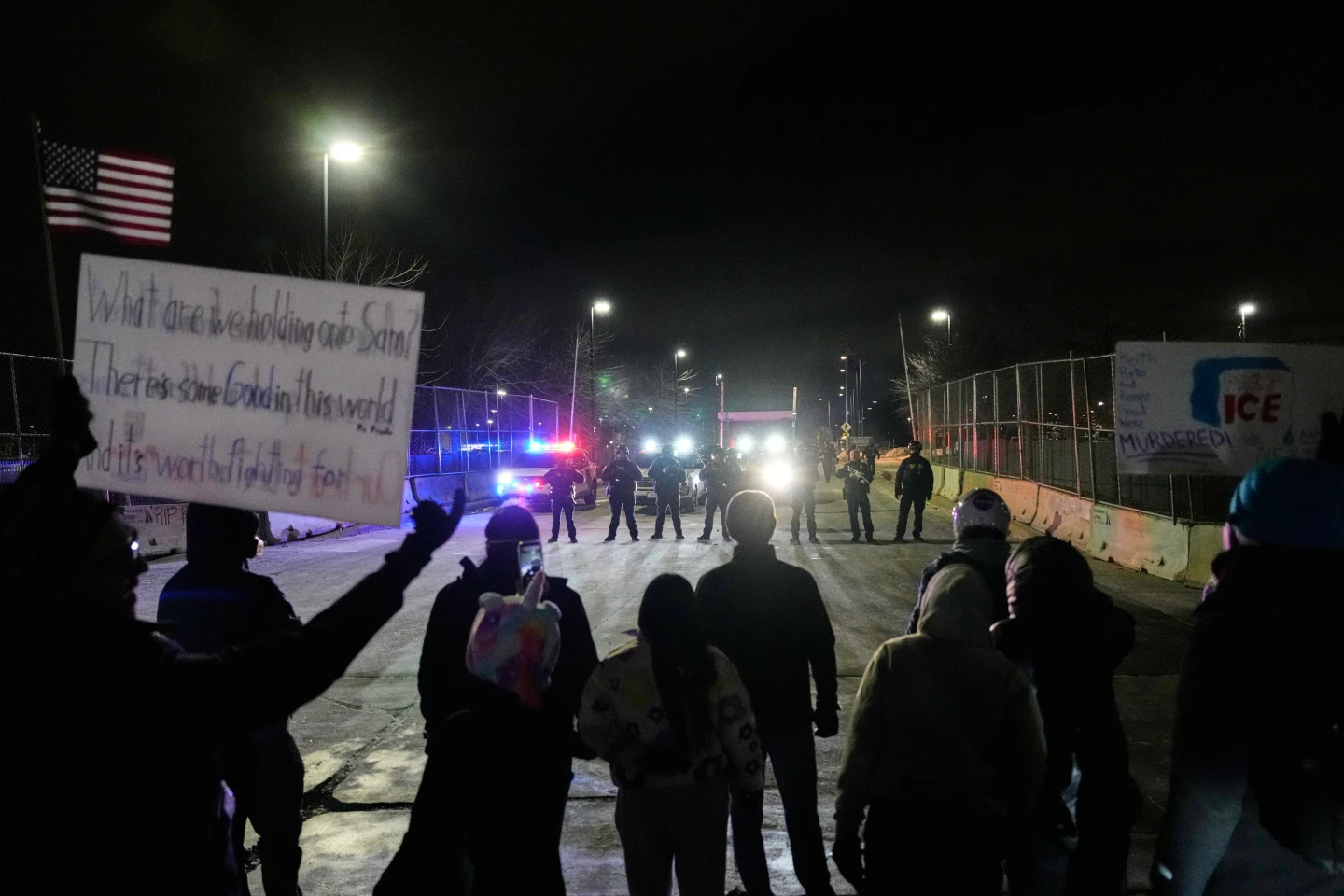
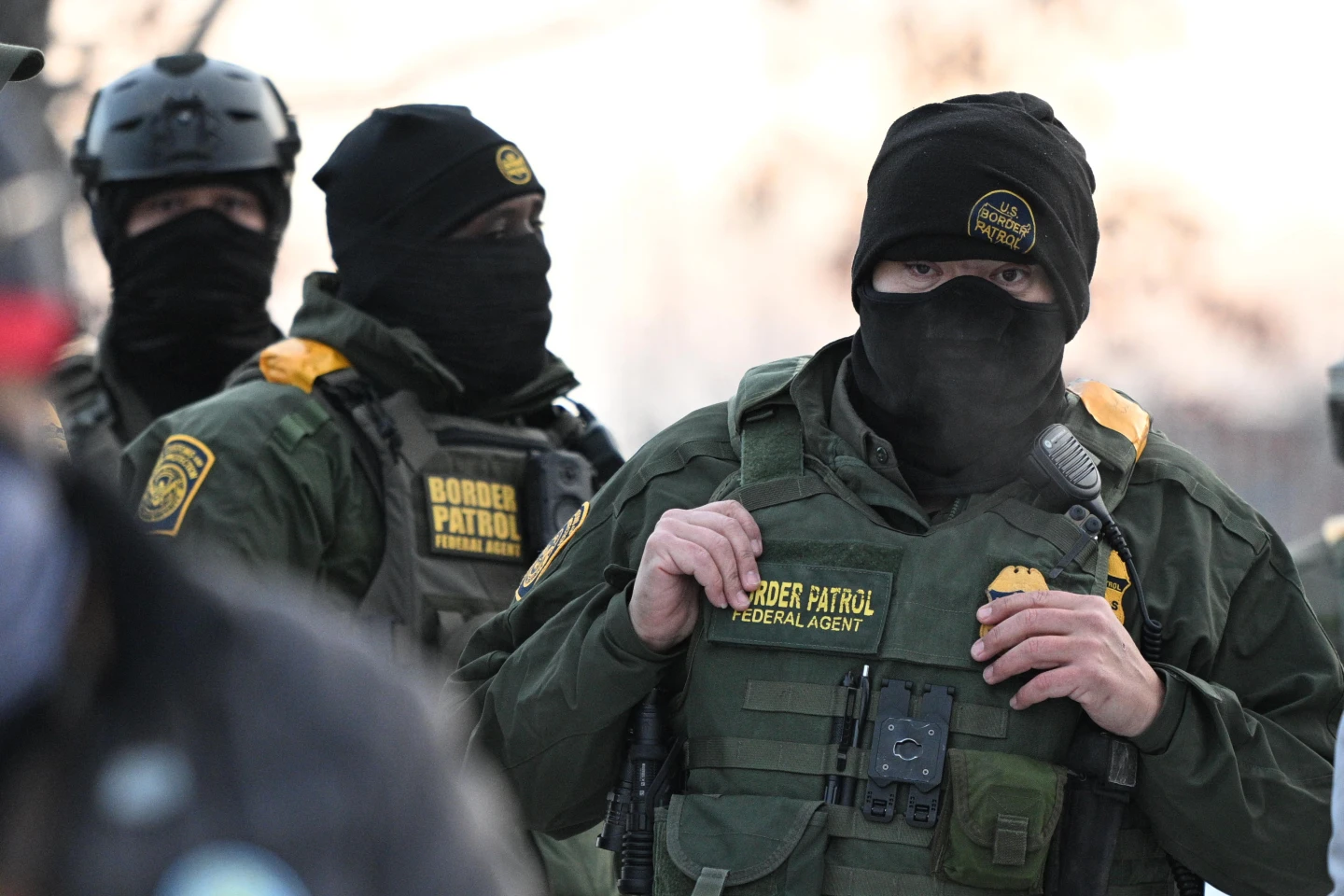
With increasing scrutiny, calls for congressional investigations into the conduct and rhetoric of ICE and Border Patrol agents are mounting. Many argue that the operation names contribute to a climate of fear within immigrant communities and reflect what critics term 'unconstitutional racial profiling' and 'reckless enforcement tactics.'
The debate continues as supporters of the operation names view them as a reflection of a hardened immigration policy, while detractors highlight the moral implications of using derogatory language in the context of human lives.