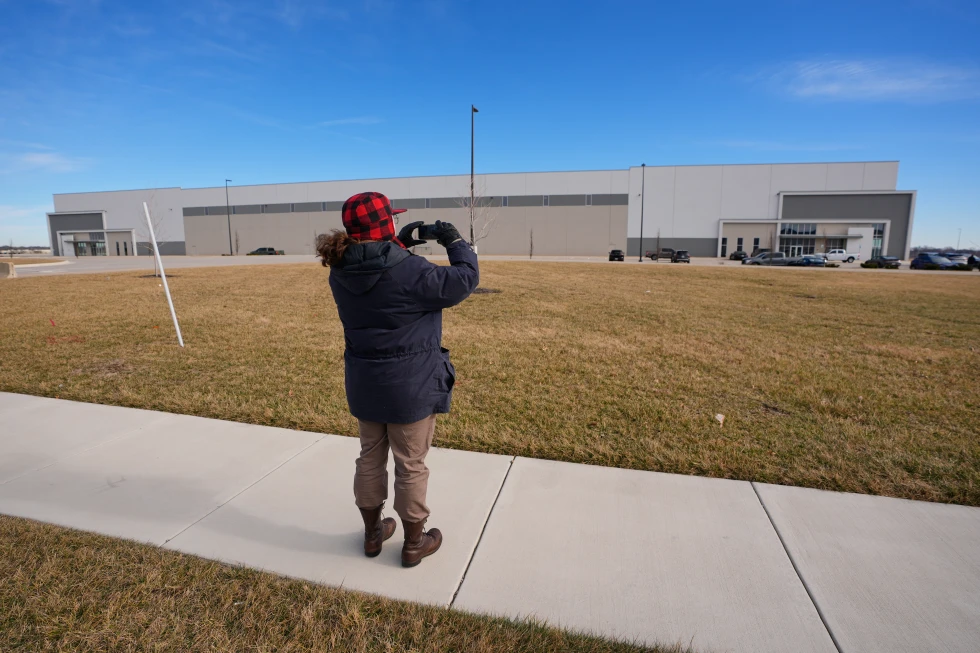
With tensions rising over federal immigration enforcement, some state and local officials are actively resisting attempts by the Trump administration to house thousands of detained immigrants in their communities. Proposed plans include converting warehouses and county jails into detention facilities. As part of this initiative, federal officials are searching for suitable locations across the U.S., fueled by an expansive $45 billion investment.
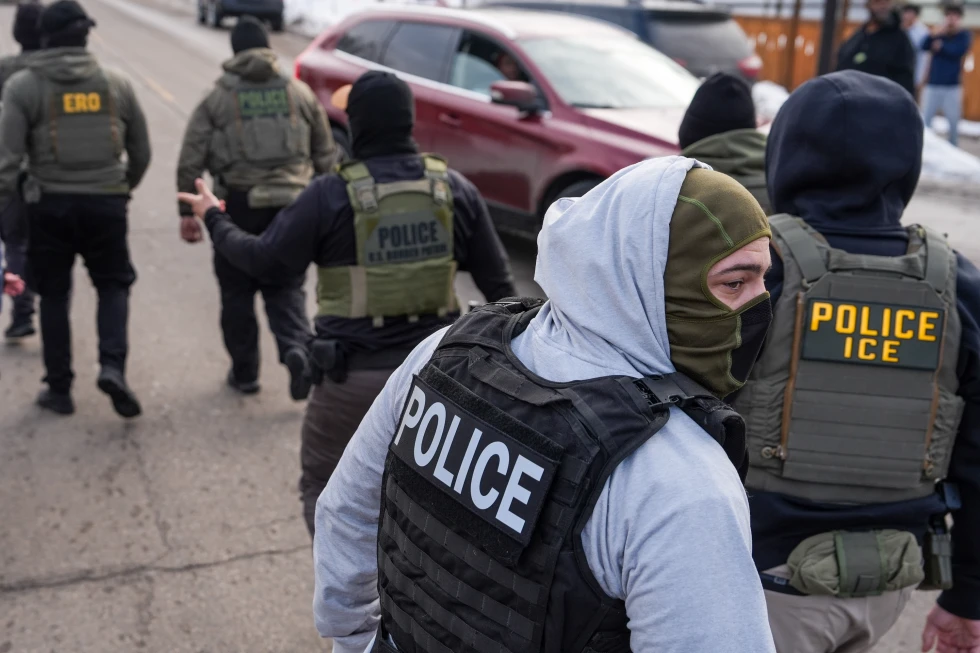
The tragic deaths of individuals like Renee Good and Alex Pretti during immigration enforcement actions have intensified scrutiny over ICE, with many communities now wary of proposed detention sites, including one near Richmond, Virginia, where public hearings drew significant opposition from residents.
Efforts to block such facilities come even as some municipalities consider ordinances to restrict the establishment of ICE detention spaces. Cities like Kansas City and others have stepped up to oppose these developments, claiming a moral and legal obligation to protect their communities from such federal encroachments.
Legislatures in states like New Mexico are moving forward with bills aimed at deterring ICE's reach; some proposals aim to impose heavy taxation on companies managing detention centers, while community leaders express concerns about the broader implications for immigrant justice.
The Growing Border Security Complex
Recent federal statistics reveal that the number of individuals detained by ICE has soared to over 70,000, a stark increase from 40,000 at the beginning of Trump's presidency. ICE has aggressively pursued extensive variations in its facilities, including planning large-scale sites and purchasing properties across different states.
Despite local resistance and concerns regarding limited resources and community welfare, legal challenges remain a significant barrier. Courts have previously struck down local laws resisting such federal operations, making the question of local governance versus federal authority a critical narrative in ongoing discussions of immigration policy.
As community members rally against sites under consideration for immigrant detention and challenge the government's approach, the narrative surrounding ICE and its operations may face fundamental scrutiny—balancing security measures against community rights and ethical considerations in immigration enforcement.