As fans gear up for the Super Bowl this weekend, the atmosphere is charged with political tension and anticipation for performances that may go beyond just entertainment. With the game featured between the Seattle Seahawks and New England Patriots at Levi's Stadium in California, many are looking to see how the NFL will handle the pressures surrounding immigration enforcement from the Trump administration.
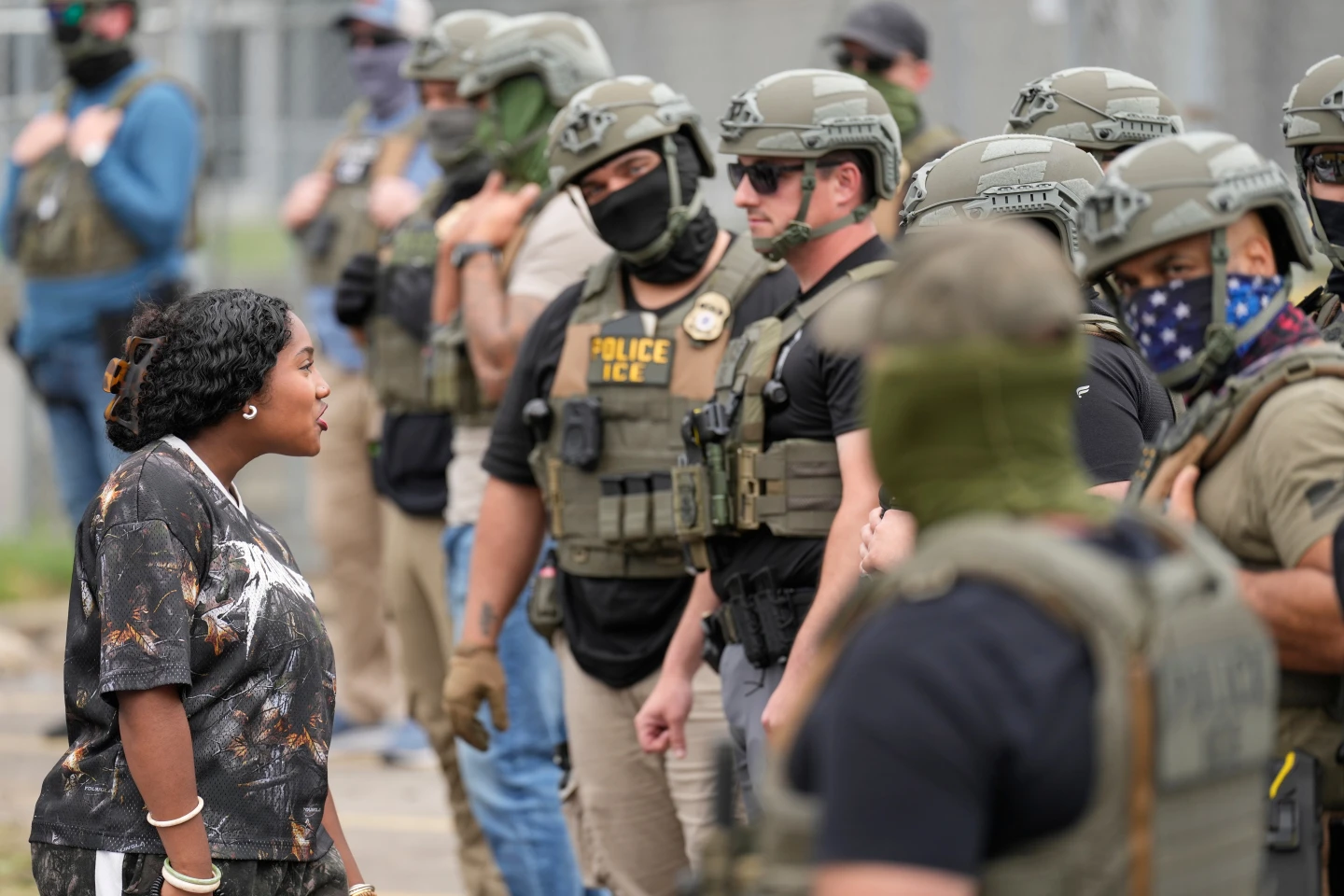
More than 184,000 individuals have signed a petition urging the NFL to denounce the possibility of Immigration and Customs Enforcement (ICE) agents being present at the event. This movement is spearheaded by the liberal group MoveOn, which plans to deliver the petition to the NFL's headquarters soon.
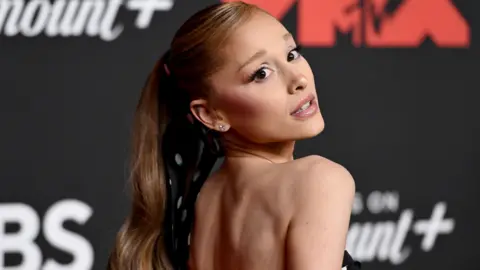
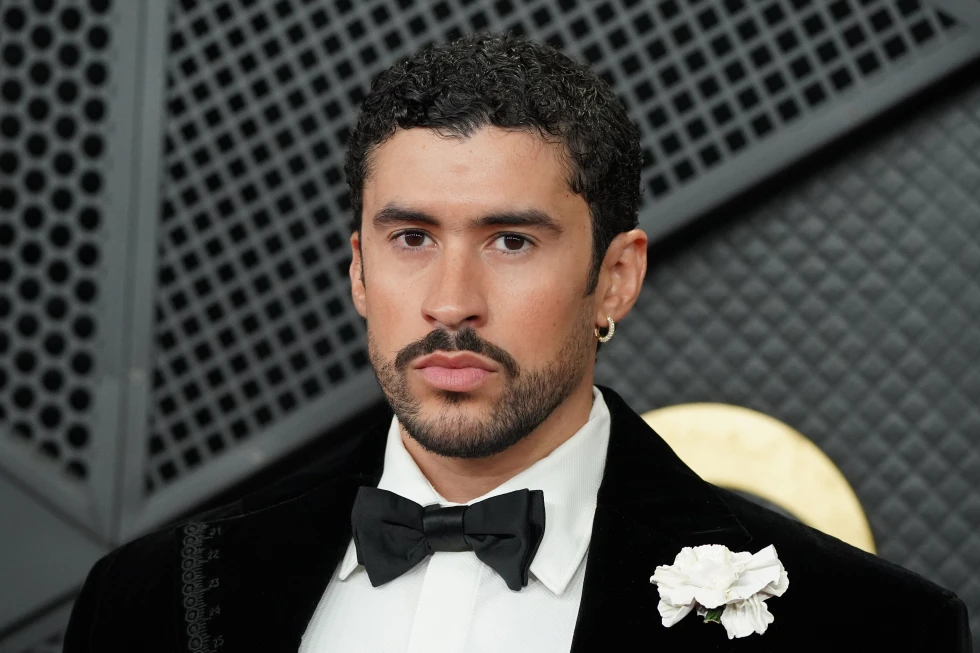
The controversy also involves the Super Bowl's halftime show, where Bad Bunny, a hugely popular artist known for his advocacy and criticism of the current administration, is slated to perform. He has previously spoken out on issues such as immigration and the treatment of Puerto Rico under Trump’s regime. His upcoming performance has already sparked discussions, with public interest in how he will address these pressing social issues during this nationally broadcasted event.
“The Super Bowl is supposed to be an escape,” said former Giants player Tiki Barber reflecting on how political tensions could overshadow the event, adding he hopes the occasion will focus on football rather than politics.
Bad Bunny: The Artist as Activist
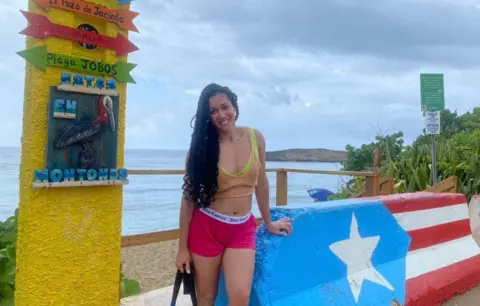
Bad Bunny has been unafraid to lean into controversy, showcasing his pride in Latino heritage at various appearances. His presence at the halftime show complicates the NFL's narrative as they navigate audience expectations among mixed sentiments in a divided political climate.
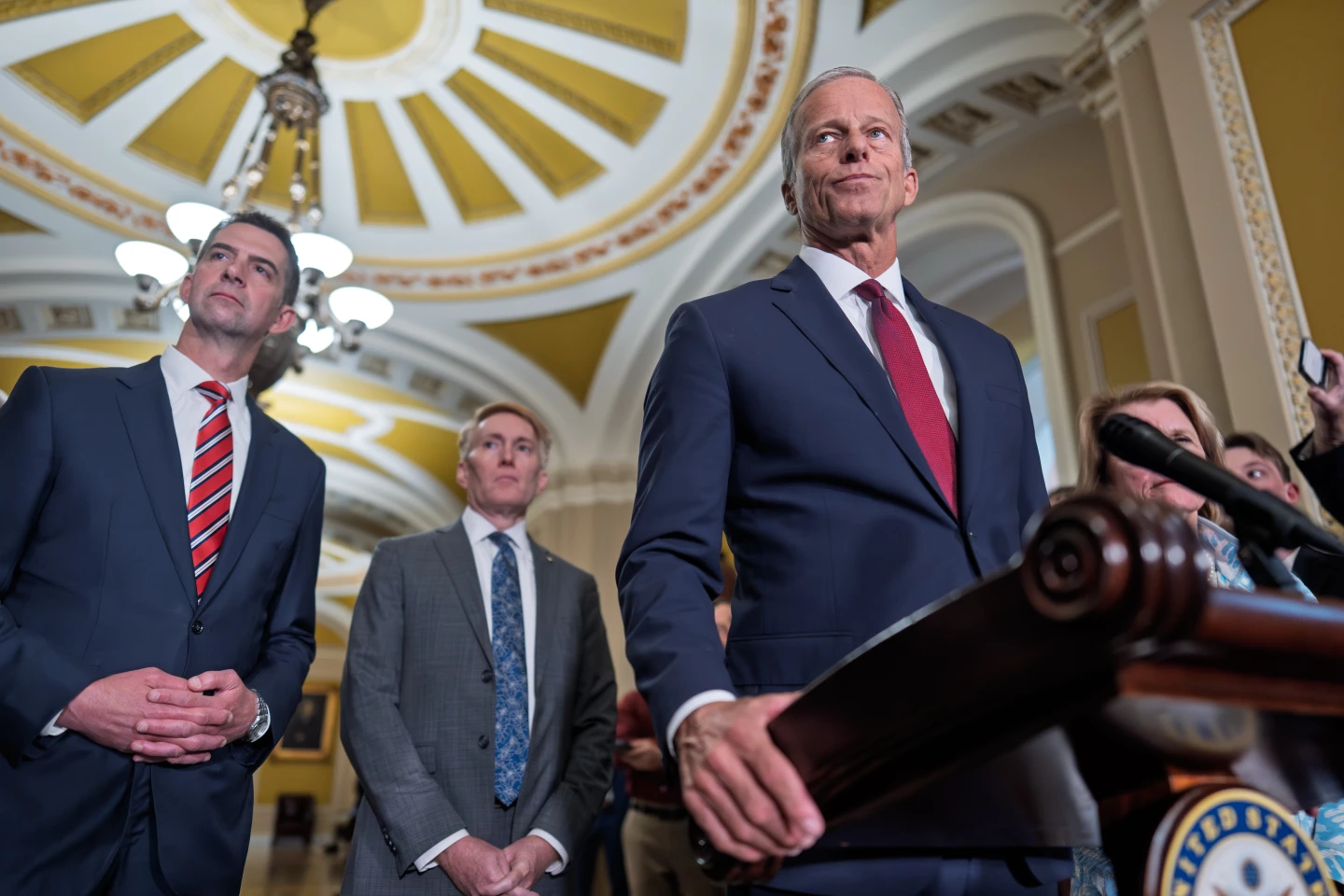
Despite pushback from conservative politicians labeling aimed performances as part of the 'woke bowl,' and pressure from Trump supporters, the NFL continues to affirm their commitment to Bad Bunny's inclusion, with Commissioner Roger Goodell recognizing him as a major artist capable of uniting people.
Meanwhile, the Department of Homeland Security has indicated through private communications that there are no plans for ICE to conduct law enforcement actions during the Super Bowl, aimed at alleviating some concerns regarding safety and security for attendees. However, with ongoing discussions and petitions involving immigration policy evolving, it remains to be seen how the NFL will handle any unexpected occurrences during the game.
As preparations continue for the Super Bowl, one thing is clear: this year's matchup will certainly be about more than just football, with a spotlight on how entertainment and activism collide in the public domain.