Averting a Shutdown: Urgent Talks Escalate Following Minneapolis Shooting Incident
Negotiations in Washington DC intensify as officials strive to avert a US government shutdown, catalyzed by the recent Minneapolis shooting of Alex Pretti. Democrats push for changes to immigration enforcement funding.
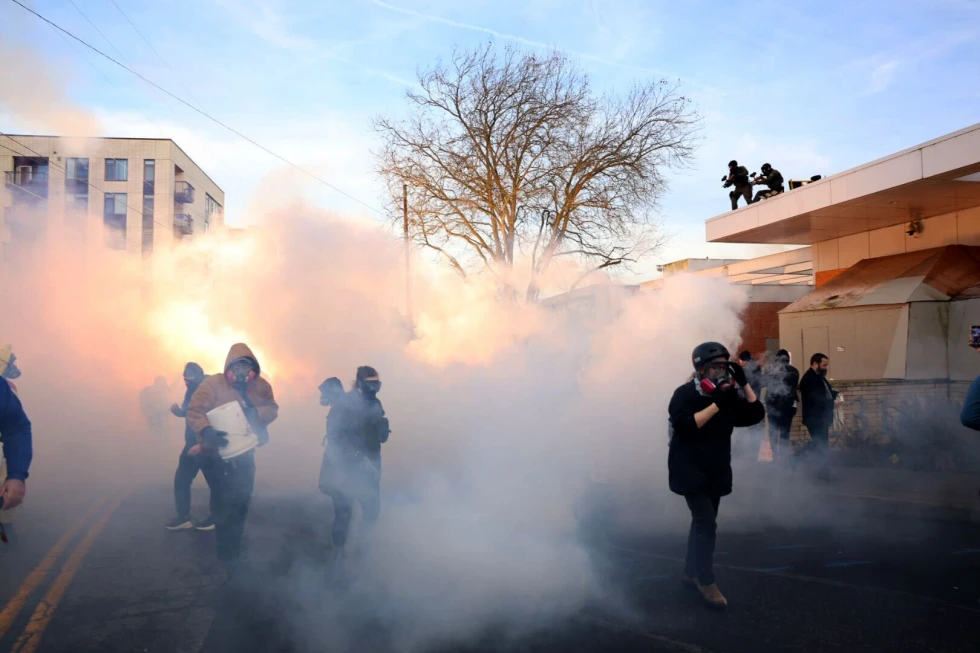
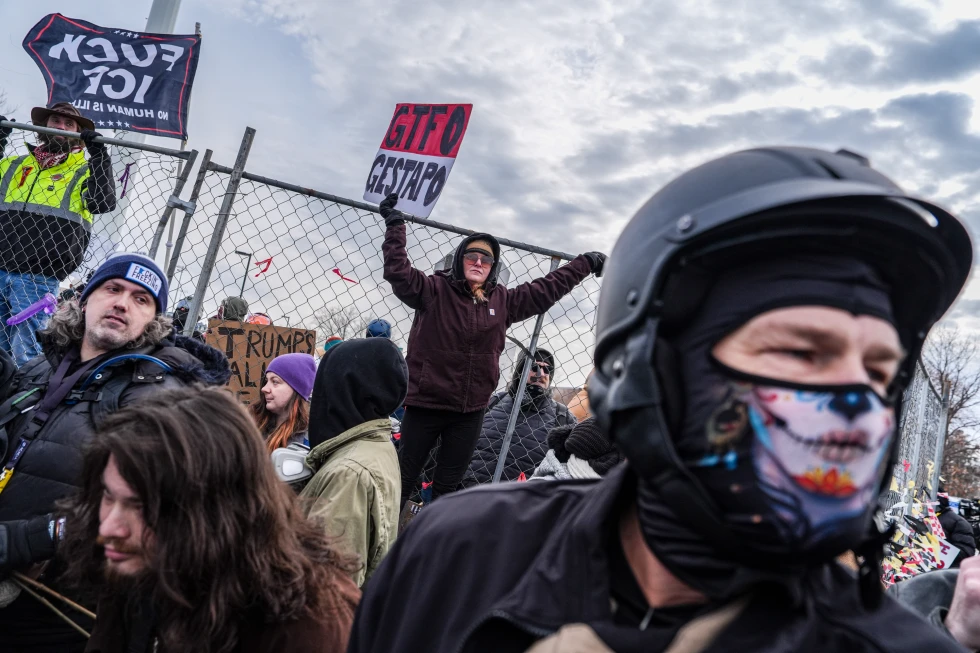
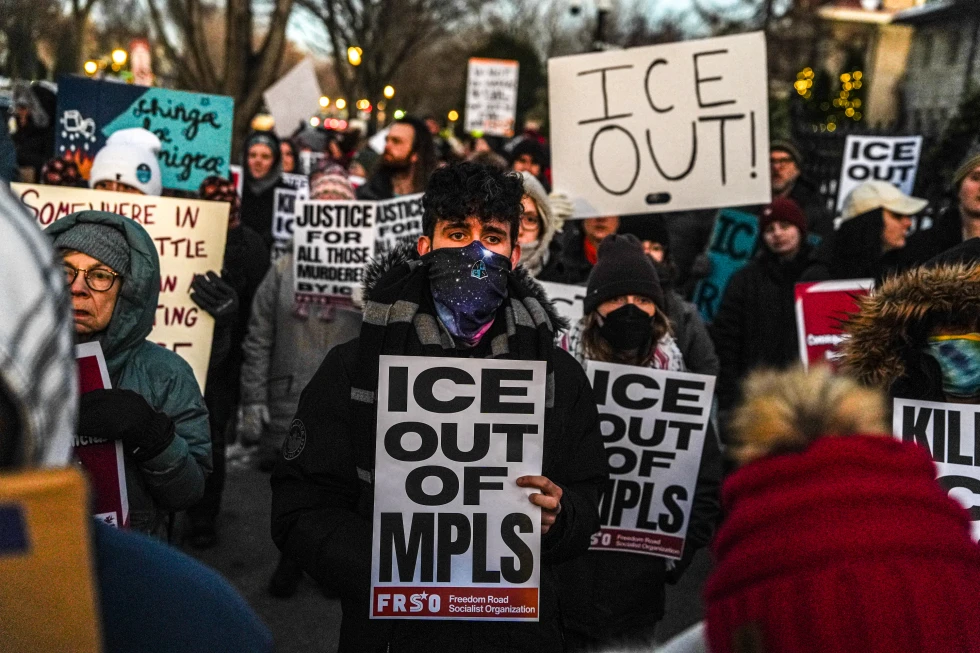
Discussions to prevent a government shutdown are gaining momentum after the fatal shooting of Alex Pretti in Minneapolis. Democrats are advocating for the removal of Department of Homeland Security (DHS) funding from a major spending bill unless new restrictions on immigration enforcement are adopted. Officials report that an agreement to introduce these restrictions could be reached soon, allowing most spending bills to pass before the deadline. However, failure to agree could lead to a shutdown.
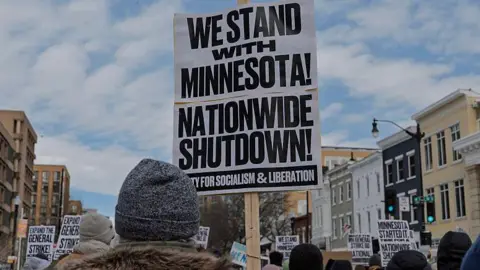
Democrats have been pushing to remove funding for the Department of Homeland Security (DHS) from a $1.2tn (£870bn) government spending package following the fatal shooting of 37-year-old Alex Pretti in Minneapolis on Saturday.
US media reports that the White House and Senate Democratic leadership are nearing an agreement which would meet Democratic demands to introduce new restrictions on federal immigration agents.
If a deal is struck, it would mean that five of the six spending bills could be passed before the Friday deadline, while the DHS bill would get a short-term extension for further discussions on the proposed restrictions.
If no deal is reached, the second shutdown within months will commence at one minute after midnight on Friday 30 January.
The spending bill has passed in the House of Representatives but faces challenges in the Senate, requiring support from some Democrats to proceed.
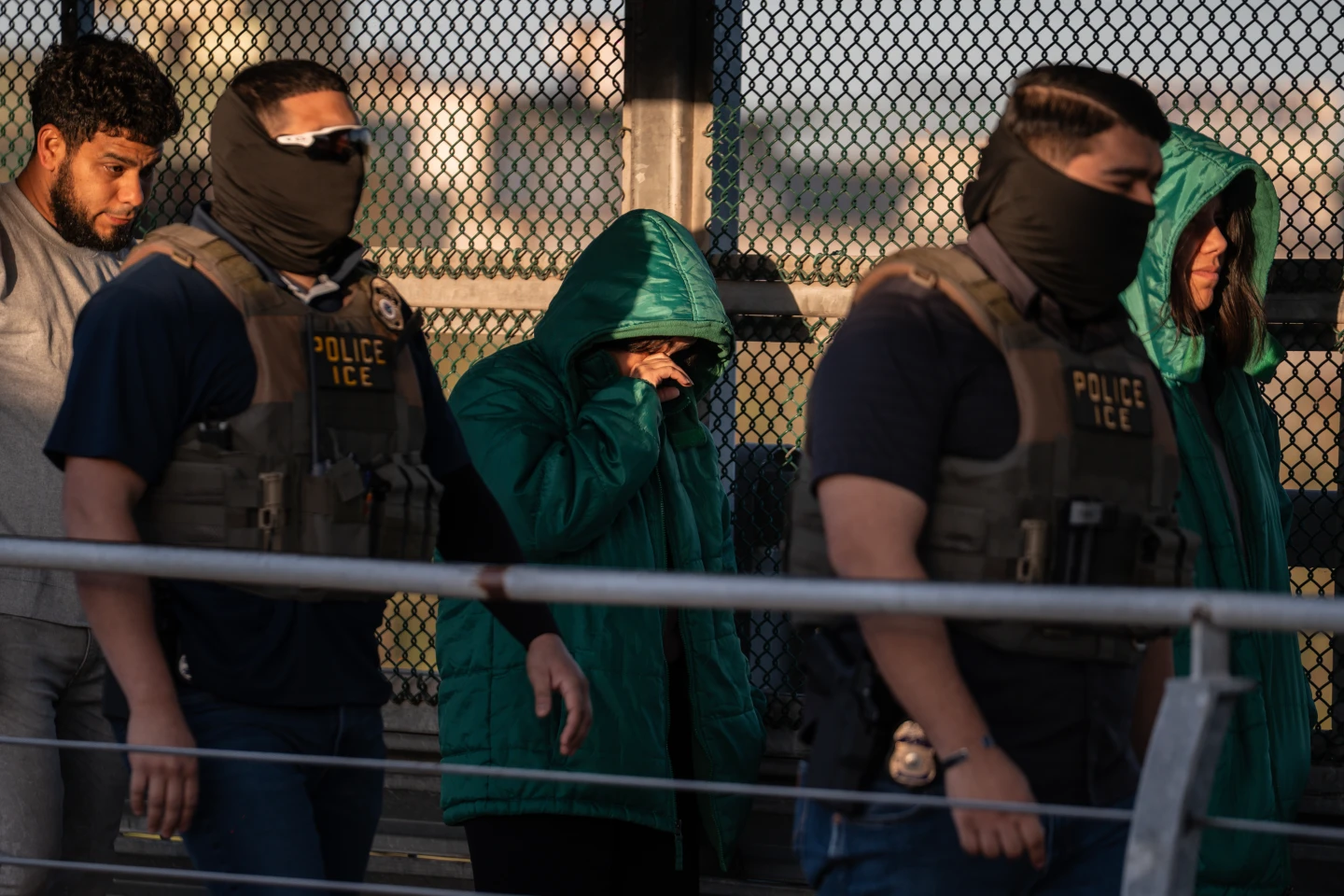
Among the desired changes are requirements for federal agents to obtain warrants before making arrests and clearer identification rules.
Senate Minority Leader Chuck Schumer has stated, I will vote no on any legislation that funds ICE until it is reined in and overhauled, signaling strong opposition among Democratic members. On the contrary, Republican Senate Majority Leader John Thune claims that productive negotiations are ongoing.
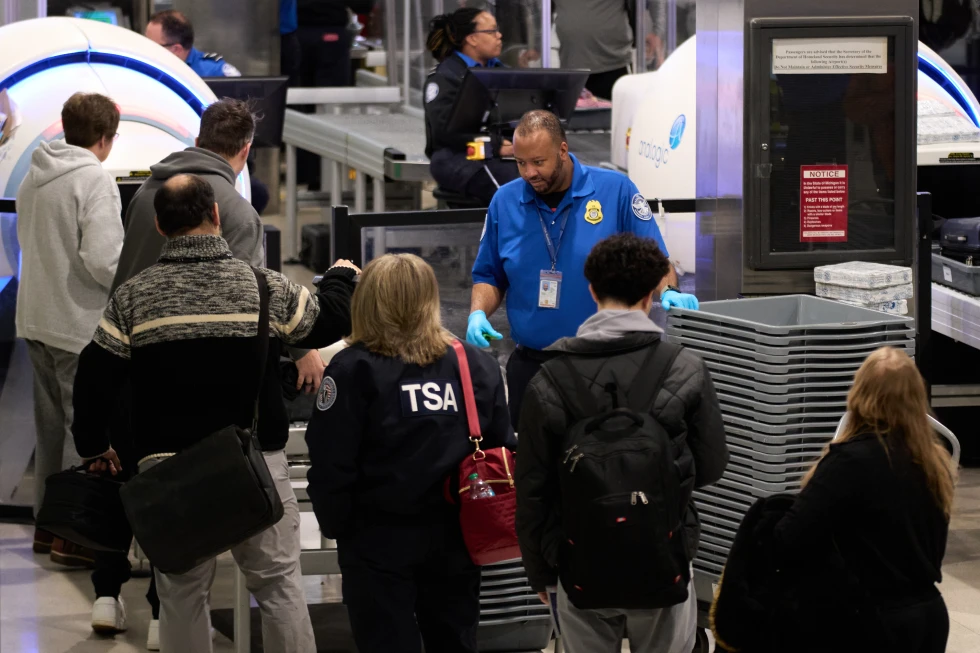
Moreover, the drastic implications of a government shutdown would affect various sectors, including federal revenue collection and operational capabilities of departments crucial to law enforcement and public services.