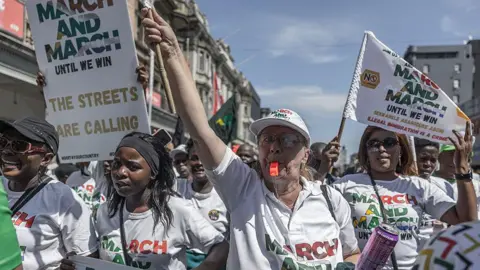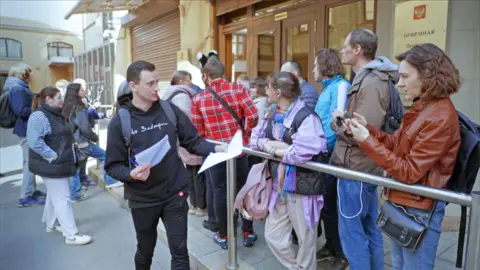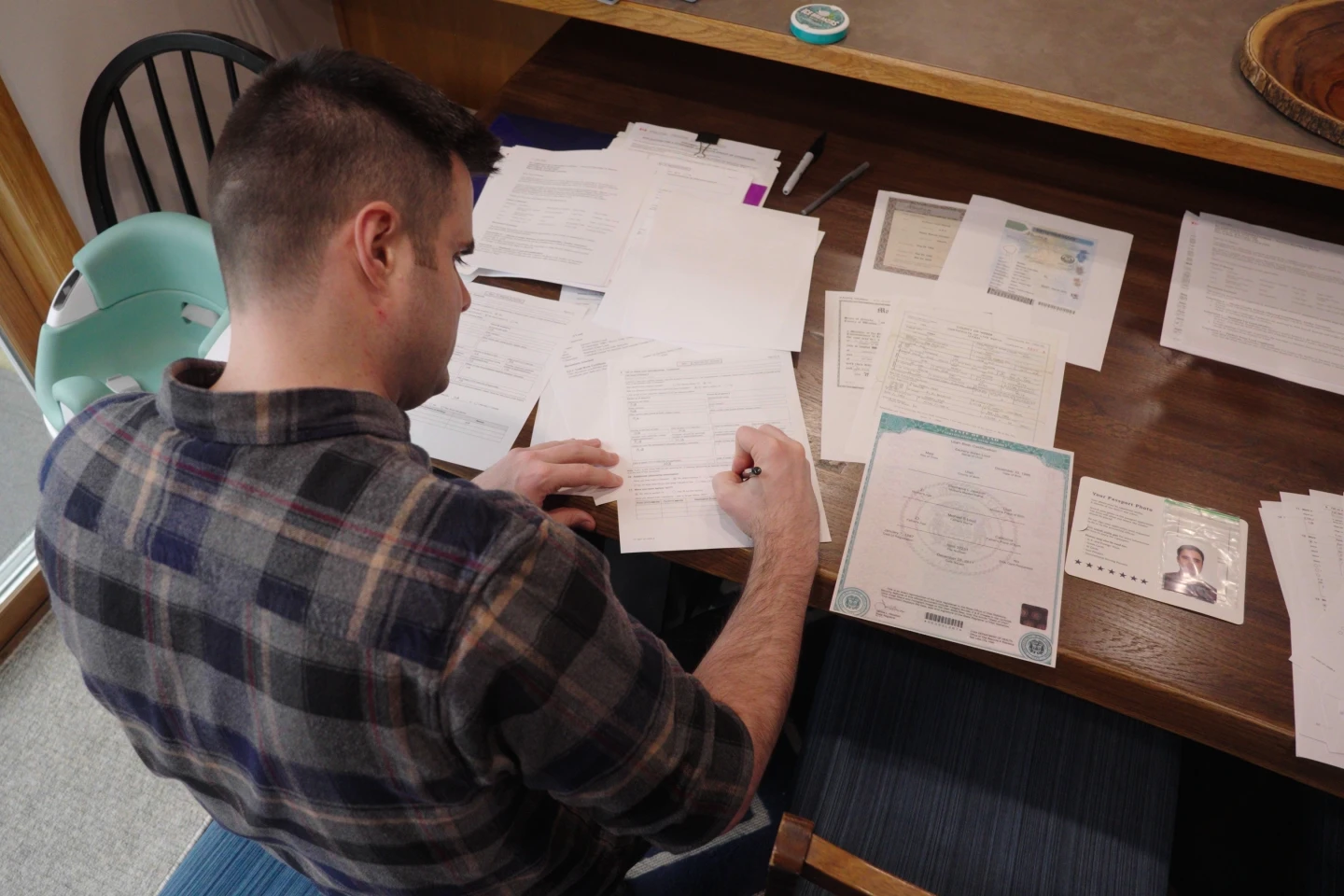
MINNEAPOLIS (AP) — The Trump administration’s drawdown of its immigration enforcement surge in the Twin Cities area has been met with relief, but state officials and residents say its effects on Minnesota’s economy and immigrant communities will linger.
Thousands of officers were sent to the Minneapolis and St. Paul area for Operation Metro Surge, which the Department of Homeland Security called its “ largest immigration enforcement operation ever ” and touted as a success. However, President Donald Trump’s enforcement campaign faced increasing criticism and pushback as tensions escalated.
The shooting deaths of U.S. citizens Renee Good and Alex Pretti by federal officers drew condemnation and raised questions over conduct, prompting changes to the operation.
Despite the announced end to the surge, Democratic Gov. Tim Walz urged Minnesotans to remain vigilant.
Drawdown after improved coordination
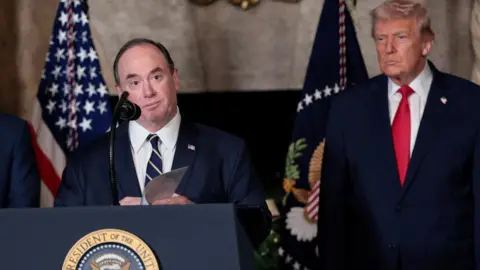
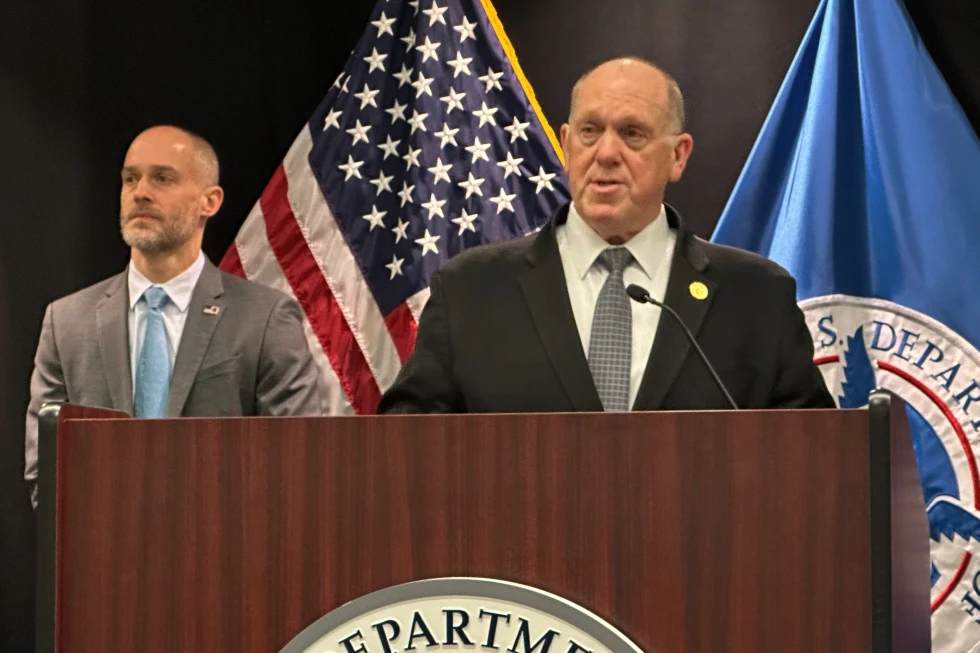
Border czar Tom Homan disclosed that the drawdown was facilitated by extensive engagement with state and local officials.
Trump dispatched Homan to de-escalate tensions subsequent to the Jan. 24 killing of Pretti, emphasizing that a drawdown was contingent on cooperation from local law enforcement.
That cooperation was evident, especially regarding the handling of deportable inmates by local jails, as noted by Homan.
He announced last week that while 700 federal officers would leave Minnesota immediately, more than 2,000 would remain, continuing targeted enforcement operations.
Residents are still grappling with the impact of the operation. Many remain skeptical of whether the federal presence will truly diminish. As John Schnickel, a local attendee put it, “I don’t even want one ICE person here, if they act the way they’ve been acting.”
Amidst the shifting operations, the pervasive atmosphere of distrust towards government actions lingers among residents. Anna Van Sice, another local, echoed this sentiment, saying, “We don’t have a lot, or any trust in the government right now.”