WASHINGTON (AP) — A disruption in reimbursements to states for disaster relief costs. Delays in cybersecurity response and training. And missed paychecks for the agents who screen passengers and bags at the nation’s airports, which could lead to unscheduled absences and longer wait times for travelers.
Those were just some of the potential ramifications of a looming funding lapse at the Department of Homeland Security, according to officials who testified before a House panel on Wednesday.
Congress has approved full-year funding for the vast majority of the federal government, but it only passed a short-term funding patch for the Department of Homeland Security that extends through Friday. In response to the killing of two American citizens in Minneapolis and other incidents, Democrats are insisting that any funding bill for the department comes with changes to immigration enforcement operations.
Finding agreement on the issue of immigration enforcement will be exceedingly difficult. But even though lawmakers in both parties were skeptical, a White House official said that the administration was having constructive talks with both Republicans and Democrats. The official, granted anonymity to speak about ongoing deliberations, stressed that President Donald Trump wanted the government to remain open and for Homeland Security services to be funded.
Meanwhile, Republicans emphasize that a potential Homeland Security shutdown would not halt the work of the agencies of most concern to Democrats. Trump's previous tax and spending cuts measure allocated approximately $75 billion to Immigration and Customs Enforcement for operational expansion.
“Removal operations will continue. Wall construction will continue,” said Rep. Mark Amodei, the Republican chairman of the House Appropriations subcommittee on Homeland Security. Rather, agencies such as the Transportation Security Administration, the Secret Service, Coast Guard, and Federal Emergency Management Agency would bear the brunt of funding shortfalls, according to officials who appeared before the House subcommittee.
Rep. Henry Cuellar, the ranking Democrat on the panel, highlighted the tragic deaths of American citizens Renee Good and Alex Pretti, stating that their loss should invoke serious concern among lawmakers. He remarked that while strong borders and respect for human life are not mutually exclusive, questions about enforcement actions are necessary.
Essential work continues
Approximately 90% of the department’s employees are expected to continue working during a funding lapse, albeit without pay. U.S. Coast Guard Vice Admiral Thomas Allan indicated that lawsuits and emergency responses would continue, but financial hardships due to missed paychecks could have significant repercussions.
Ha Nguyen McNeill from the Transportation Security Administration voiced similar concerns, noting that about 95% of their personnel might continue working without pay, recalling the hardships from the previous extensive shutdown.
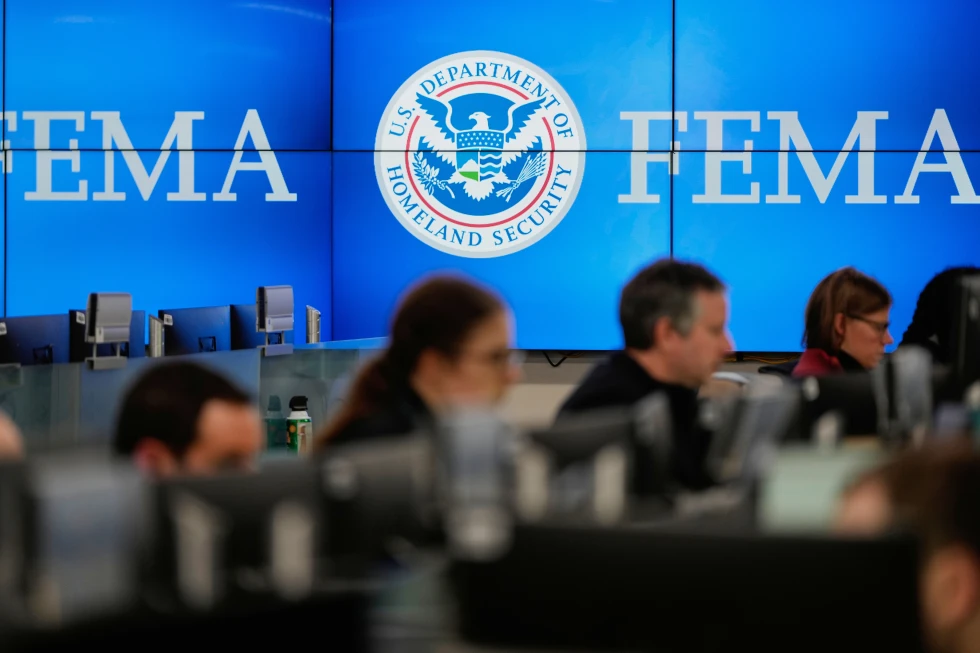
Gregg Phillips from FEMA stated that, while emergency responses could persist during a shutdown, long-term planning and training for local first responders would experience negative impacts.
In conclusion, as negotiations continue, the threat of a funding lapse remains a pressing concern, with potential repercussions spanning various critical aspects of the Department of Homeland Security’s operations.