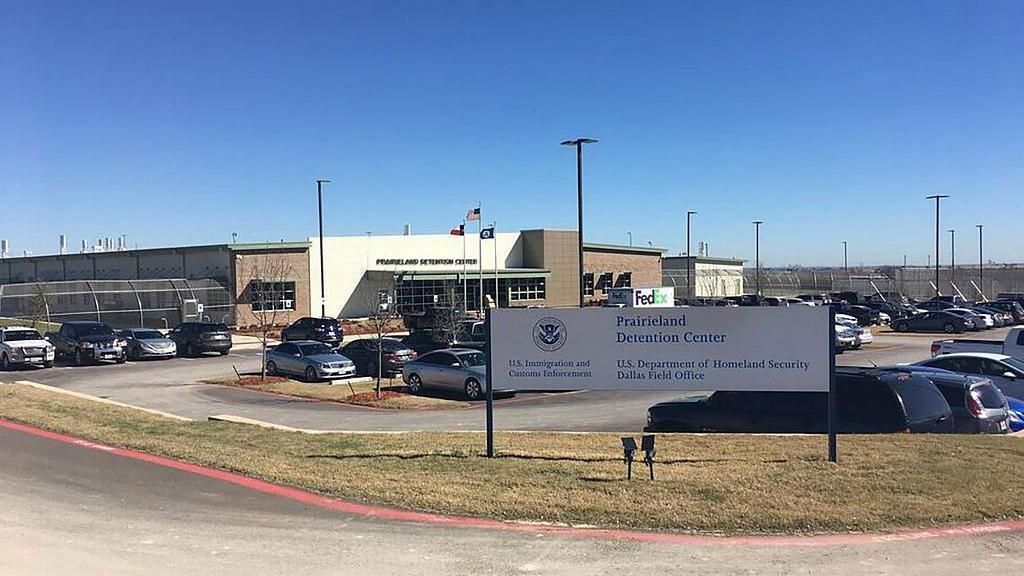
WASHINGTON (AP) — Local leaders across the United States are now recalibrating their responses to potential disruptions posed by the federal government. Denver Mayor Mike Johnston has expanded his emergency preparations to include reactions to federal activities, citing the Trump administration's recent federal interventions in cities, including a controversial immigration crackdown.
Johnston remarked, “We used to prepare for natural disasters. Now we prepare for our own federal government.” His sentiment echoes a growing unease among municipal officials regarding Washington's increasing influence over local governance.
Recent incidents, including the deaths of two U.S. citizens during federal operations in Minneapolis, have amplified concerns regarding the relationship between local leaders and federal authorities. Officials from both sides of the political aisle describe a hostile atmosphere, with traditional partnerships strained by federal actions perceived as overreach.
Several mayors, including Republican Jerry Dyer of Fresno, California, have voiced their worries about the unprecedented use of federal law enforcement in cities without local cooperation. They point to a fundamental shift where federal might appears to overshadow the input and authority of state and local governments.
As examples, state leaders abhor Trump's mix of policies that promote federal control on some issues while advocating for states' rights on others, particularly concerning immigration and elections. Kentucky Governor Andy Beshear and others disagree with this divided approach, highlighting the constitutional implications of such federal actions as undermining local governance.
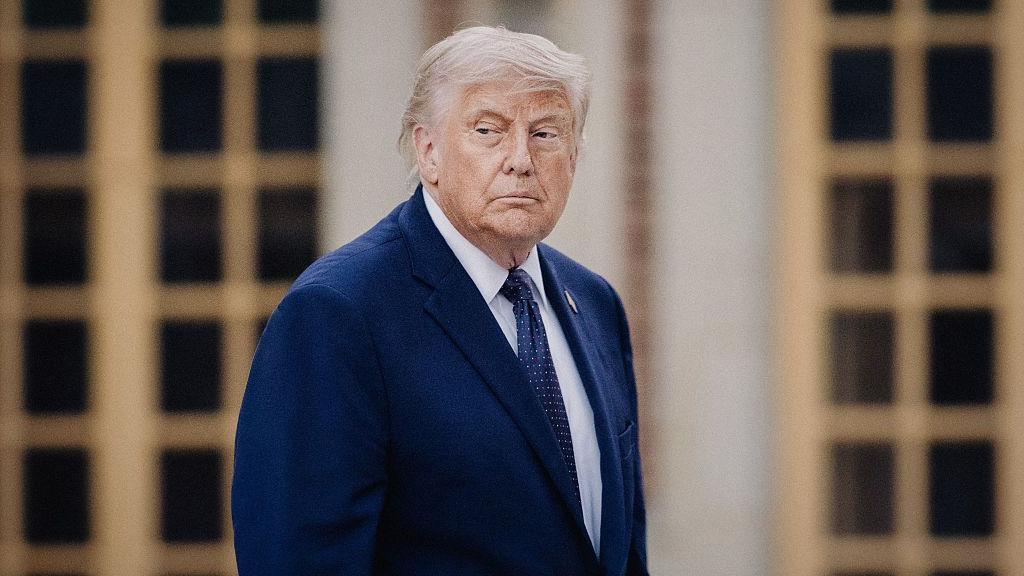
In response to escalating tensions, Trump has made moves to alleviate some concerns, like replacing certain federal officials in Minnesota and reducing their presence. However, many local leaders remain skeptical, with some expressing feelings of invasion and occupation within their own communities, indicating a rift that might be difficult to mend.
As federal priorities continue to reshape local governance, many officials are left navigating an increasingly complex political landscape that threatens long-term relationships between cities and the federal government.