Recently, the White House announced that enforcement operations in Minnesota will be unified under the U.S. Immigration and Customs Enforcement (ICE), a decision stemming from months of tensions among immigration agencies regarding how to implement immigration enforcement effectively.
ICE has historically conducted operations through 'targeted enforcement'—an approach emphasizing individual arrests. However, this contrasts sharply with the broader enforcement sweeps that gained traction under the Trump administration, leading to disagreements within the Department of Homeland Security (DHS).
As public support for ICE wanes and congressional Democrats push back against aggressive immigration tactics, the agency's strategies are under scrutiny. The newly outlined operational consolidation aims to clarify command and enhance the delineation between ICE and Border Patrol tactics, especially as ICE has been criticized for its aggressive enforcement style.
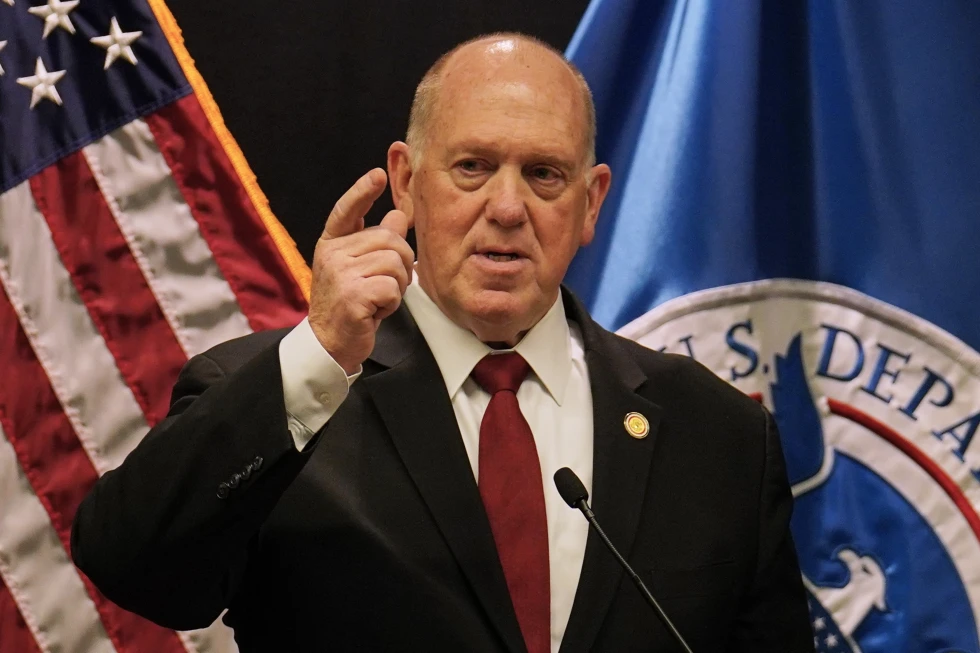
Tom Homan, the White House border czar, deemed the Twin Cities operation a success and pointed out that streamlining actions under one command could facilitate improved enforcement while acknowledging prior imperfections in the strategy. The move comes following violent incidents involving ICE operations that intensified calls for reform.
ICE has faced substantial criticism for its tactics in Minnesota, with critics arguing that the agency's actions have exceeded its mandate. These tensions are further pronounced by contrasting philosophies between the Border Patrol’s rapid enforcement strategies and ICE’s traditionally more investigative approach geared towards precision rather than mass actions.
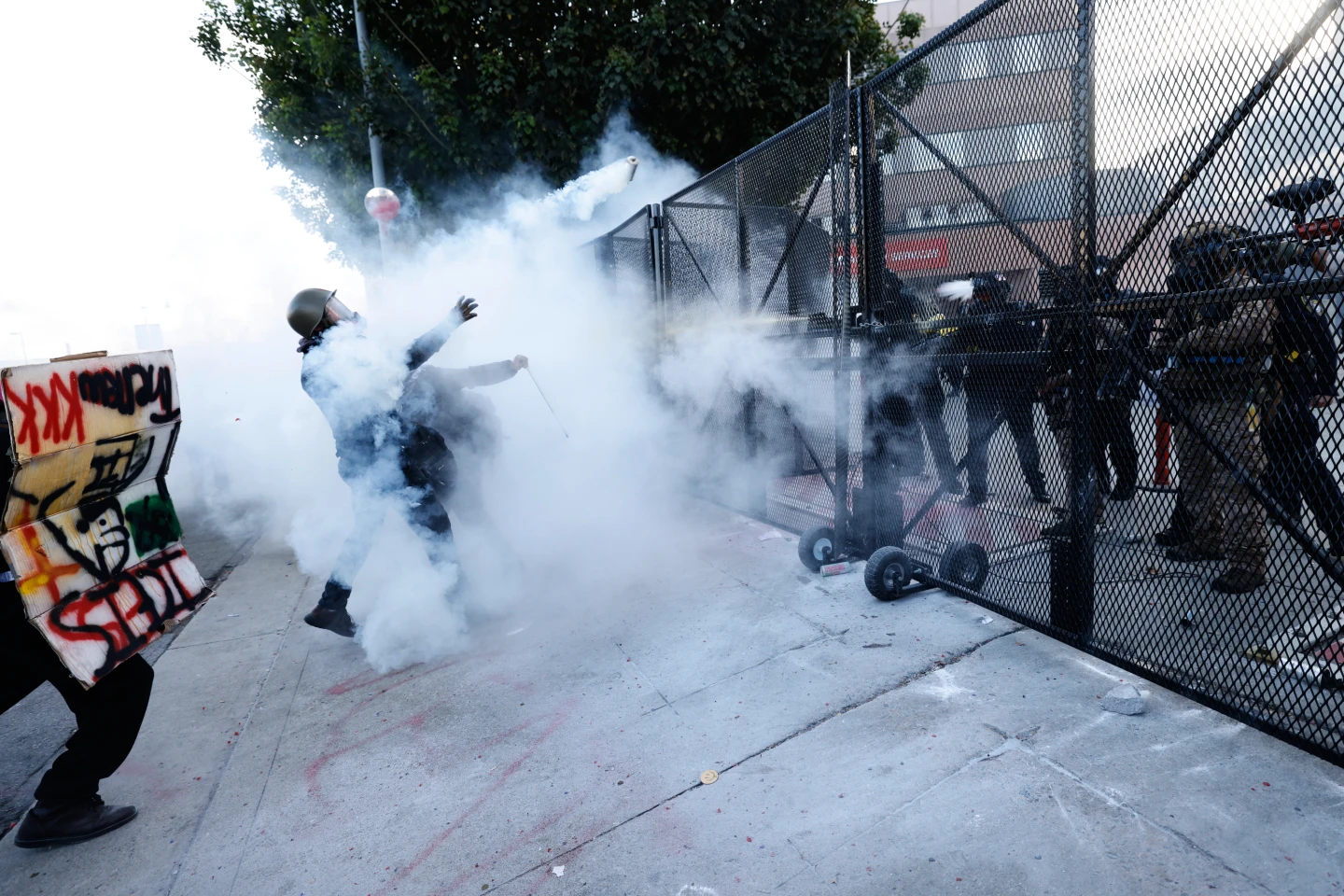
As operations evolve, ICE continues to face public backlash over its activities, including recent incidents involving deadly confrontations, leading to lingering tensions in communities impacted by immigration enforcement.