Over the past two months, the US Department of Justice has released millions of documents related to its sex-trafficking investigation into Jeffrey Epstein. Now, the president wants the nation to move on - but will it?
Deputy US Attorney General Todd Blanche has said the government's review of the Epstein files - which was mandated by a law passed by Congress in November - is over, and there are no grounds for new prosecutions.
There's a lot of correspondence. There's a lot of emails. There's a lot of photographs, Blanche said on Sunday. But that doesn't allow us necessarily to prosecute somebody.
While the justice department's review may be over, on Capitol Hill, the House of Representatives is pushing ahead with its own Epstein inquiry. Former President Bill Clinton and former Secretary of State Hillary Clinton are scheduled to testify later in February after Republicans threatened to hold them in contempt of Congress.
Members of Congress and Epstein's victims, meanwhile, are continuing to call for further disclosures – pointing to documents they say exist but weren't included in the released files. It is yet another sign of just how difficult to shake this story has become for those, like President Donald Trump, who are clearly keen to move on.
For the moment, however, the president has emerged from the storm with no apparent lasting damage. That is not true for some of the other rich and powerful figures whose ties to Epstein were more prominently detailed in the files, and who had continued contact with him long after he became a convicted sex offender in 2008.
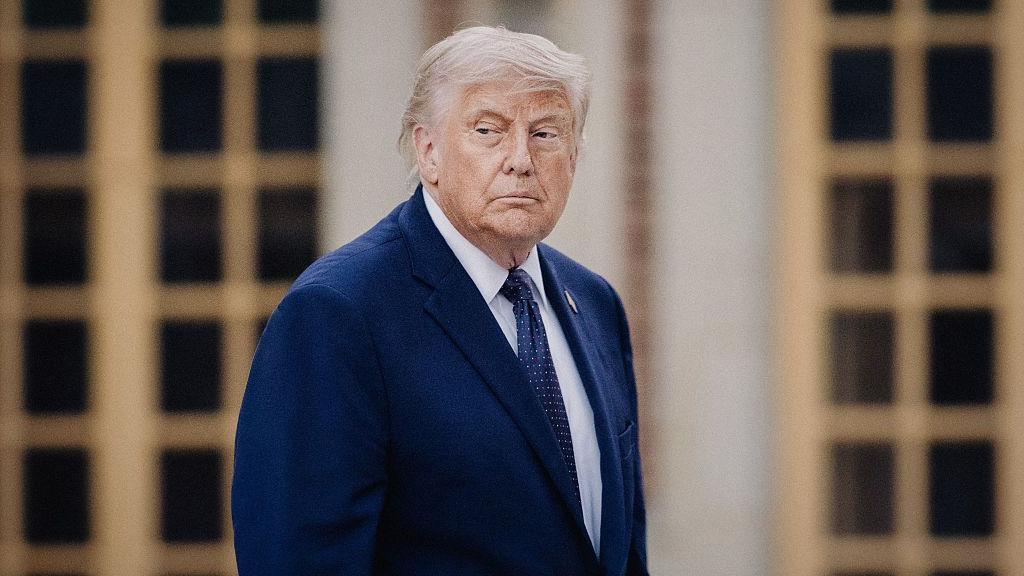
The president, at the White House on Tuesday, said he thought it was really time for the country to get on to something else. Nothing came out about me, Trump, who has consistently denied wrongdoing in relation to Epstein, said.
However, Trump's name appeared more than 6,000 times in the documents. He was frequently mentioned by Epstein and his associates. The two men had a friendly relationship for much of the 1990s until, according to Trump, they fell out in the early 2000s.
The closest thing to a political bombshell – a bawdy, suggestive note Trump allegedly wrote to Epstein for inclusion in a 2002 birthday book – was released by the Epstein estate, not the government. Trump has vehemently denied its authenticity.
Although Democrats allege the Department of Justice may have withheld incriminating documents, public interest in the Epstein story appears diminished among Trump supporters, who are now distracted by other pressing issues.
The story, while quieting, is not over. Democrats are demanding access to unredacted versions of many released documents. With upcoming testimonies and potentially new revelations, the saga of Jeffrey Epstein and connected figures like Trump continues to pose a complicated narrative in American politics.