In brief
In Minneapolis, the Somali community faces a significant drop in measles vaccination rates, now at just 24% compared to 92% in 2006. A combination of fears stemming from immigration enforcement, misinformation linking vaccines to autism, and the community’s urgent concerns over survival are driving this trend. Public health officials and local advocates are challenged to restore vaccine confidence and outreach efforts.
MINNEAPOLIS (AP) — Public health officials and community leaders say that even before federal immigration authorities launched a crackdown in Minneapolis, a crisis was brewing.
Measles vaccination rates among the state’s large Somali community had plummeted, with the myth that the shot causes autism spreading. Not even four measles outbreaks since 2011 made a dent in the trend. However, recent immunization initiatives such as mobile clinics and a vaccine confidence task force have shown some promise.
With the U.S. on the verge of losing its measles elimination status, those on the frontline against vaccine misinformation express concern over the progress that has been lost. Many residents are fearful of leaving their homes, let alone seeking medical advice.
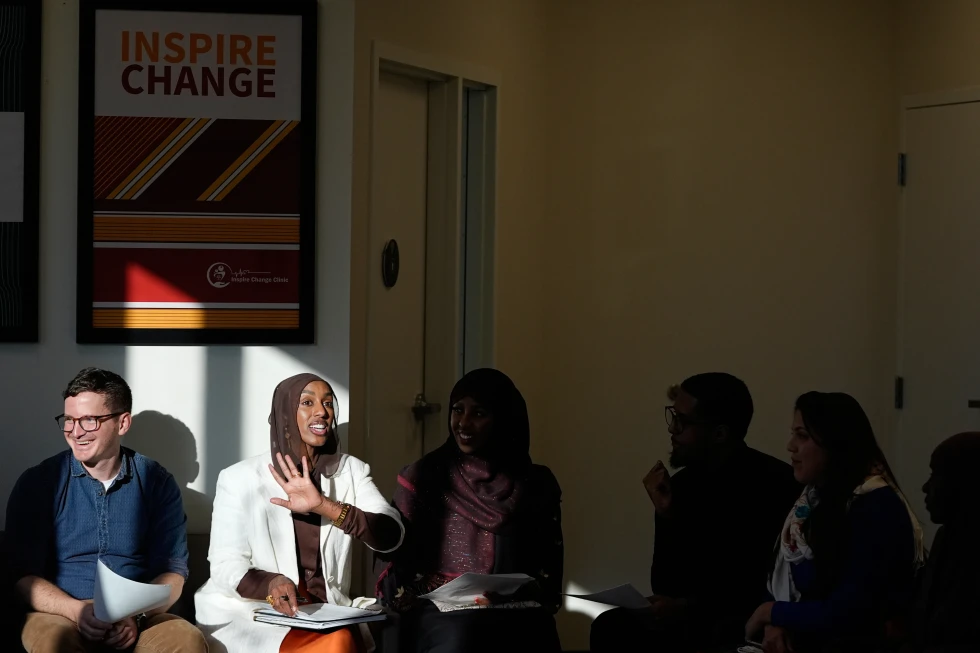
People are worried about survival, stated nurse practitioner Munira Maalimisaq, CEO of the Inspire Change Clinic. Vaccines are the last thing on people’s minds. But it is a big issue.
A discussion group for Somali mothers at Inspire Change shifted online indefinitely, as parents have more pressing concerns such as childcare and access to essentials.
In 2006, 92% of Somali 2-year-olds were up-to-date on the measles vaccine. Today’s rate is closer to 24%, which public health experts warn is dangerously low to prevent outbreaks of the highly contagious disease.
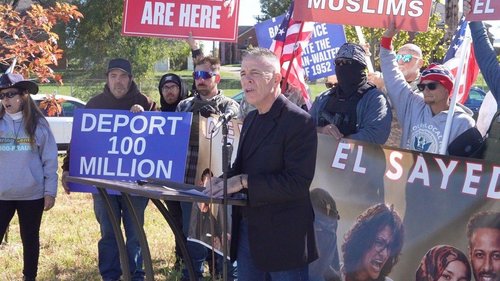
Community efforts to combat vaccine misinformation have struggled, particularly in recent years due to increased immigration enforcement. Imam Yusuf Abdulle noted, “People are stuck in their homes, cannot go to work. It is madness. And the last thing to think about is talking about autism, talking about childhood vaccination.”
The cycle of community vaccination initiatives has been impacted by inconsistent federal funding, creating a need for comprehensive and consistent outreach from health officials. As context grows around the detrimental effects of misinformation on vaccination rates, the health of the Minneapolis Somali community remains under threat.