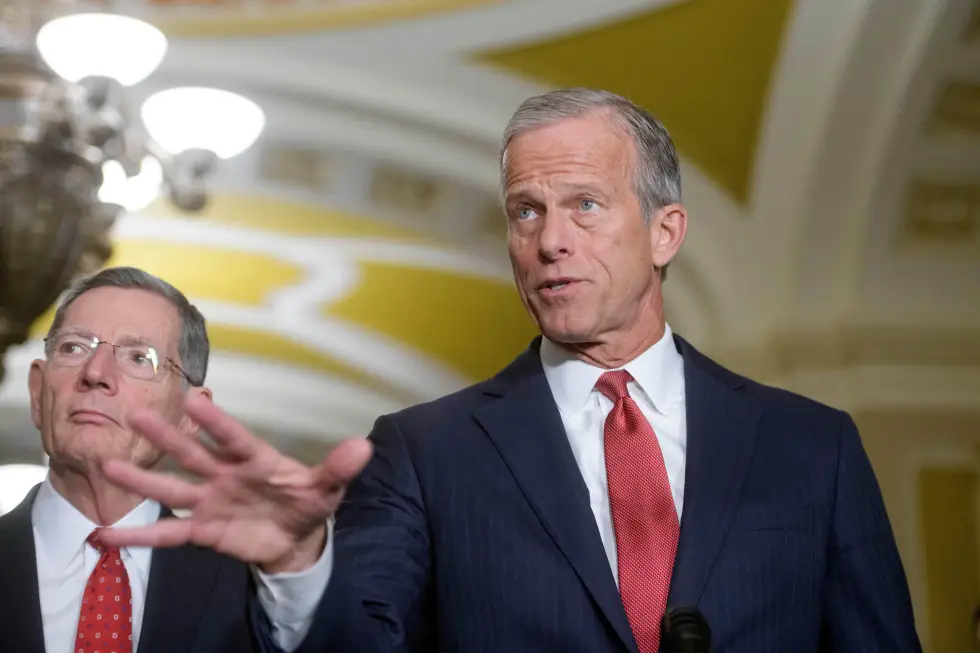
WASHINGTON — A shutdown for the Department of Homeland Security now seems imminent as lawmakers from both chambers depart Washington for a scheduled 10-day recess, leaving unresolved debates on the funding of the department. Recent negotiations between congressional leaders and the White House have stalled over Democrats' demands for stricter immigration enforcement protocols.
Recent days have witnessed a back-and-forth between the officials. Democrats have set forth several conditions, including implementing stronger identification requirements for U.S. Immigration and Customs Enforcement agents, forming new conduct regulations for law enforcement agencies, and increasing reliance on judicial warrants.
At the heart of the negotiation is Senate Majority Leader John Thune's acknowledgment of significant strides made yet indicating more progress remains necessary. Despite attempts from Republicans to concede on certain points, definitive agreements appear far off. Democratic senators notably voted against a proposed funding bill before Congress, which will leave funding set to expire without urgent action.
Democratic leader Chuck Schumer vocalized the collective desire for accountability and stability in immigration enforcement. He criticized the current administration for their abrupt immigration crackdown, advocating for comprehensive changes before supporting DHS funding.
Among the sticking points are demands for judges to authorize agent actions on private property, a hard line for many Republicans. Nevertheless, Schumer and House Democratic leader Hakeem Jeffries indicated that new laws must be enacted to limit immigration enforcement actions and mandate humane treatment and identification verification for non-citizens.
Should funding remain unresolved, the initial impacts of a DHS shutdown may not immobilize immigration enforcement immediately, yet the ramifications will likely extend to other essential services within the department, with FEMA and other agencies poised to face operational challenges.
As negotiations continue and deadlines loom, the pressure mounts on lawmakers to reach a decision that will avert a potentially disruptive shutdown before returning from recess.