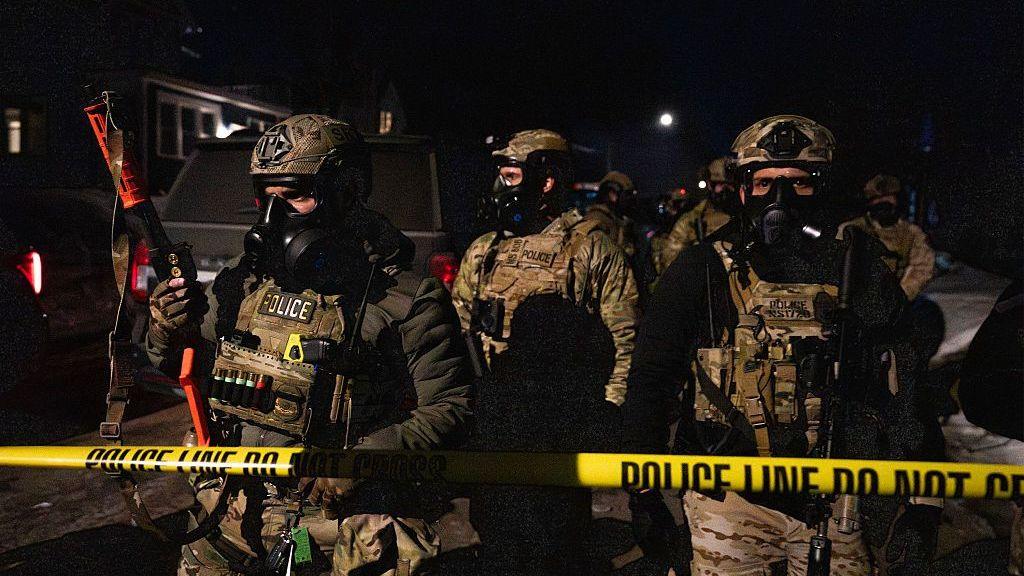
CHICAGO (MetaWorld News) — Marimar Martinez, a teaching assistant and U.S. citizen, was shot five times by a Border Patrol agent during an immigration crackdown in October of last year. This incident, initially described by federal officials as a justified use of force, has now come under intense scrutiny following the release of new evidence by her attorneys.
Martinez was charged with a felony for allegedly trying to ram an agents’ vehicle, but those charges were dismissed after video evidence surfaced that reportedly showed an agent maneuvering his vehicle into Martinez's path. Her case has become a national flashpoint highlighting the treatment of minorities during immigration enforcement.
Her legal representation claims that the Department of Homeland Security (DHS) has spread misinformation about Martinez, including labeling her a “domestic terrorist” without any criminal evidence to support such claims. Her attorneys are now pursuing a claim against DHS under the Federal Tort Claims Act, alleging the agency lied and misrepresented the circumstances of the shooting.
During a recent press conference, attorney Christopher Parente emphasized the lack of trust in federal officials as evidence was unveiled, including a hand-drawn diagram from an agent that Parente argued contained inaccuracies about the incident.
Martinez is not alone in her fight—her case joins the growing list of use-of-force incidents involving immigration agents. The community response has been immense, with protests across the Chicago area against aggressive immigration policies. A stark reminder of the potential deadly consequences of these policies was visible weeks prior when another Chicago-area resident was fatally shot by agents during a similar operation.
Martinez, who has spoken publicly about the incident, has criticized the immigration enforcement actions, stating that they disproportionately target individuals based on profiling characteristics like accent or skin color. Her upcoming attendance at President Trump's State of the Union as a guest of Congressman Jesus “Chuy” Garcia highlights the intersection of local and national discourse on immigration and enforcement policies.