Palestinians, Arab countries, Israeli anti-occupation groups, and the UK have condemned new steps approved by Israel's security cabinet for the occupied West Bank, saying they amount to de facto annexation.
Far-right Israeli Finance Minister Bezalel Smotrich announced the moves that would make it easier for Jewish settlers to take over Palestinian land. We will continue to kill the idea of a Palestinian state, he declared.
All settlements are seen as illegal under international law.
The measures - which are expected to be signed off by Israel's top military commander for the West Bank - aim to increase Israeli control over the territory in terms of property law, planning, licensing, and enforcement.
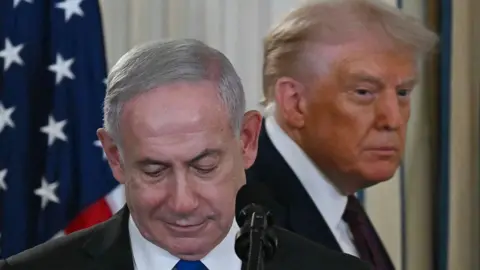
They were announced three days ahead of a meeting between the Israeli Prime Minister, Benjamin Netanyahu, and US President Donald Trump in Washington.
Previous years saw settlements in the West Bank expand at their fastest rate. These new Israeli measures include cancelling a decades-old prohibition on selling West Bank land directly to Jews and would declassify local land registry records, allowing settlers to acquire land more easily.
Israeli ministers presented the change as a step that will increase transparency and facilitate land redemption while accusing prior regulations of committing a racist distortion against non-Arab buyers.
The Palestinian Authority's President Mahmoud Abbas has called these measures dangerous, warning of an open attempt to legalize land confiscation and settlement expansion.
He urged for immediate intervention from the US and UN Security Council to halt these actions.
The UK government also condemned the measures and insisted Israel should reverse its decision, asserting that unilateral actions altering the geographic situation of Palestine contravene international law.
The Arab League and foreign ministers from several countries expressed strong opposition, warning that these measures not only accelerate illegal annexation attempts but may also exacerbate regional violence and conflict.
With the ongoing push for further settlement expansion, the region anticipates serious implications for peace talks and local Palestinian governance as tensions continue to rise.