Understanding the SAVE America Act: Mandatory Voter ID Requirements Explained
The US House of Representatives has recently passed legislation dubbed the Safeguard American Voter Eligibility, or SAVE America Act, which requires voters to present proof of citizenship, such as a valid US passport or birth certificate, when registering to vote. This mandatory requirement has sparked significant discussion across the political spectrum.
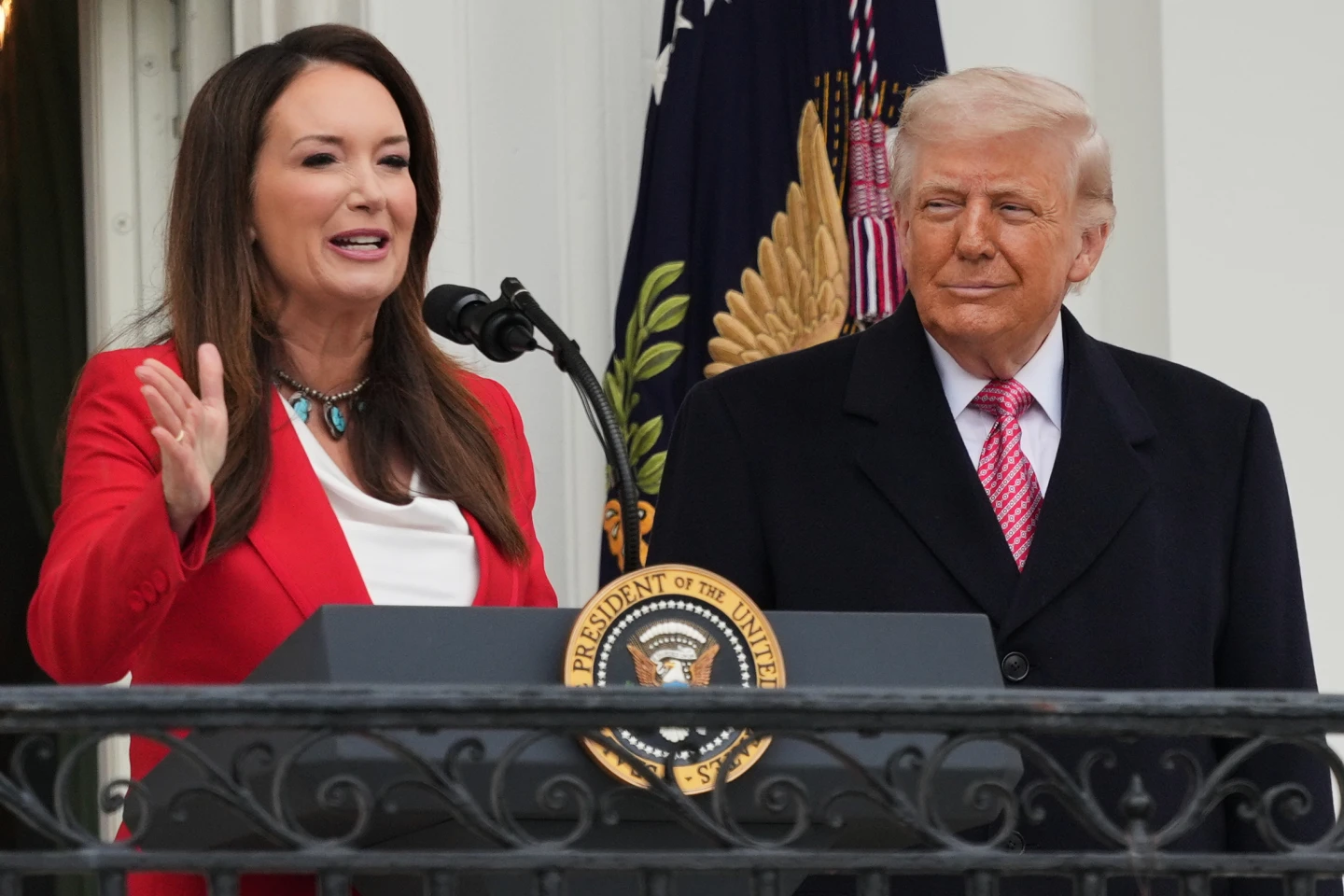
Supporters, largely from the Republican party, contend that such a measure is vital to prevent voter fraud. President Trump has vocally endorsed the bill, arguing it ensures that only American citizens can participate in elections. Conversely, many Democrats and advocacy groups assert that the law would disenfranchise eligible voters, particularly those who have changed their names due to marriage or other reasons, as they might not possess matching identification documents.
The act faces an uphill battle in the Senate, where Majority Leader John Thune has acknowledged a lack of support. While some states already implement voter ID laws, this federal legislation diverges by mandating proof of citizenship, a step not previously required under existing laws.
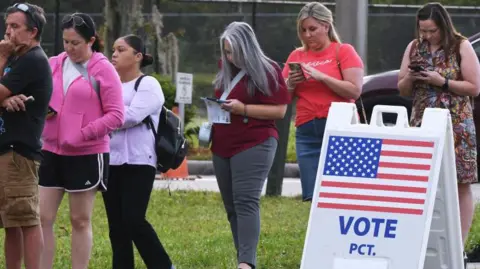
Public sentiment indicates roughly 83% of Americans support some form of identification requirement, yet a considerable number of individuals lack the proper documentation. The act introduces provisions for updating names on documents, but concerns linger regarding consistent access to necessary legal identification.
As discussions move forward, the fate of the SAVE America Act hangs in the balance, showcasing a polarizing issue that transcends party lines and touches on the fundamental rights of voters in the US.