African leaders are presently gathering in Addis Ababa to discuss the continent's evolving role in the global landscape, particularly as power dynamics are shifting significantly. With increasing pressures from major world powers, the continent's heads of state address the need for unity and agency in international dealings.
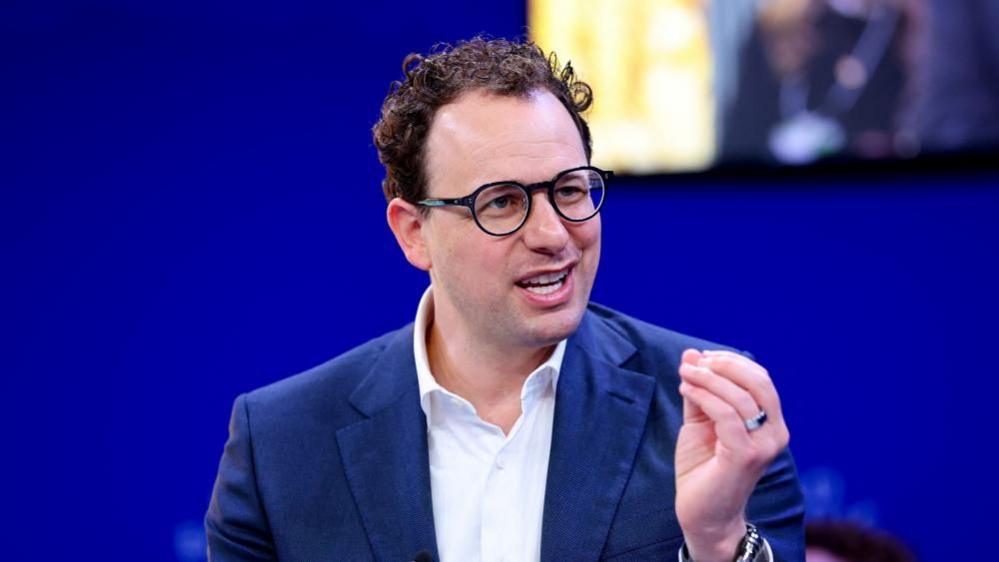
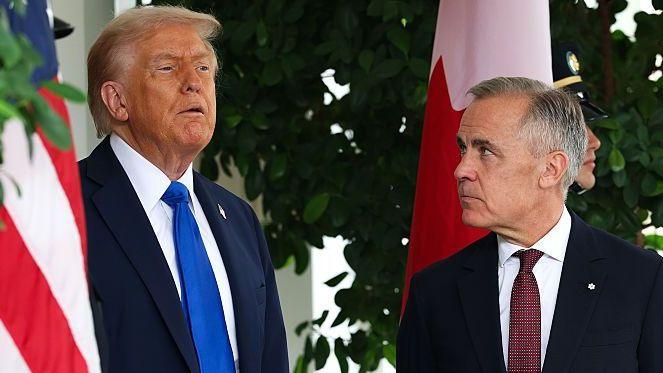
Canada's Prime Minister Mark Carney recently highlighted a stark metaphor about global relations: countries will either have a seat at the table or find themselves on the menu. For African leaders who have long sought equality in global discussions, this analogy resonates profoundly.
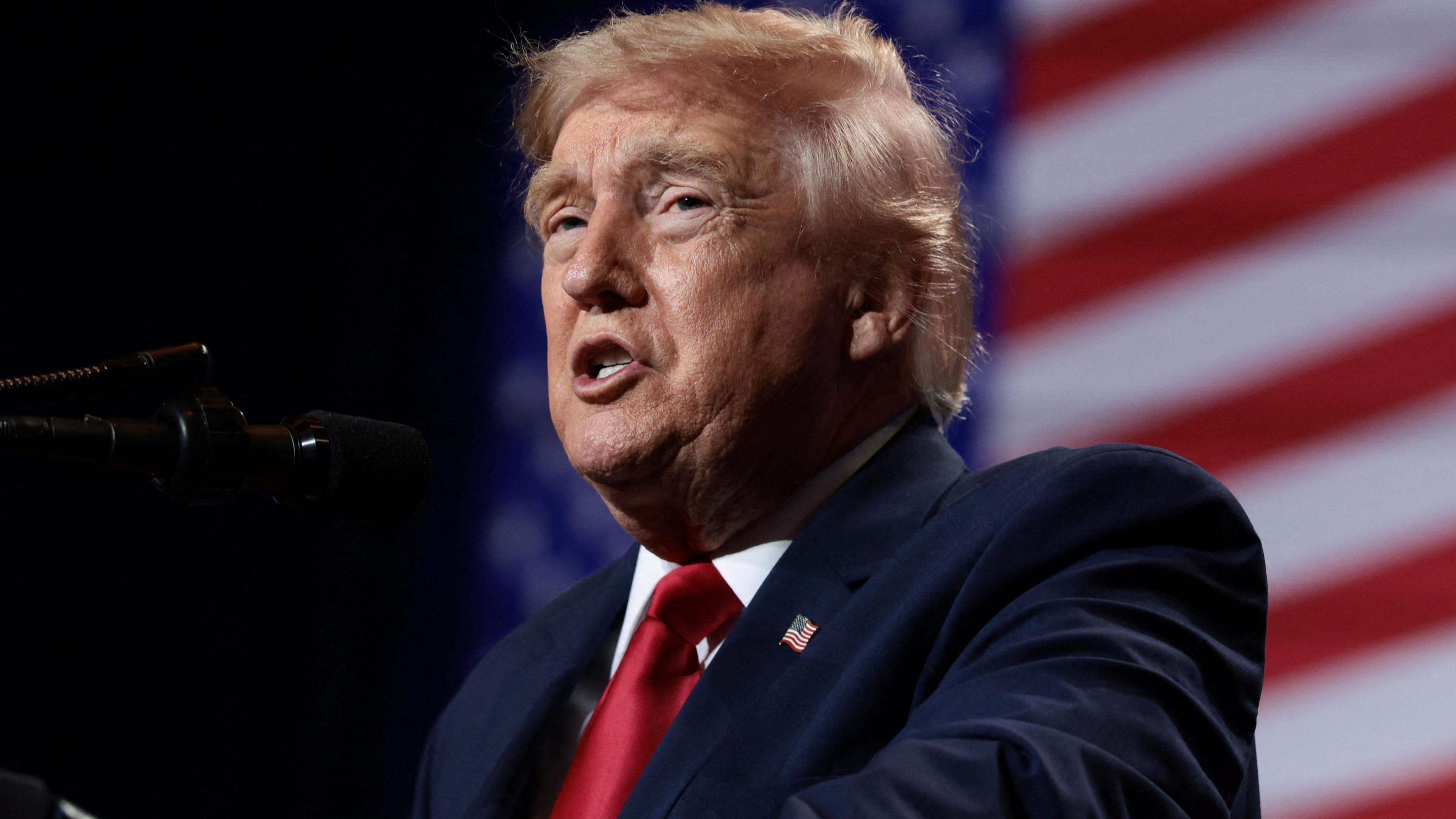
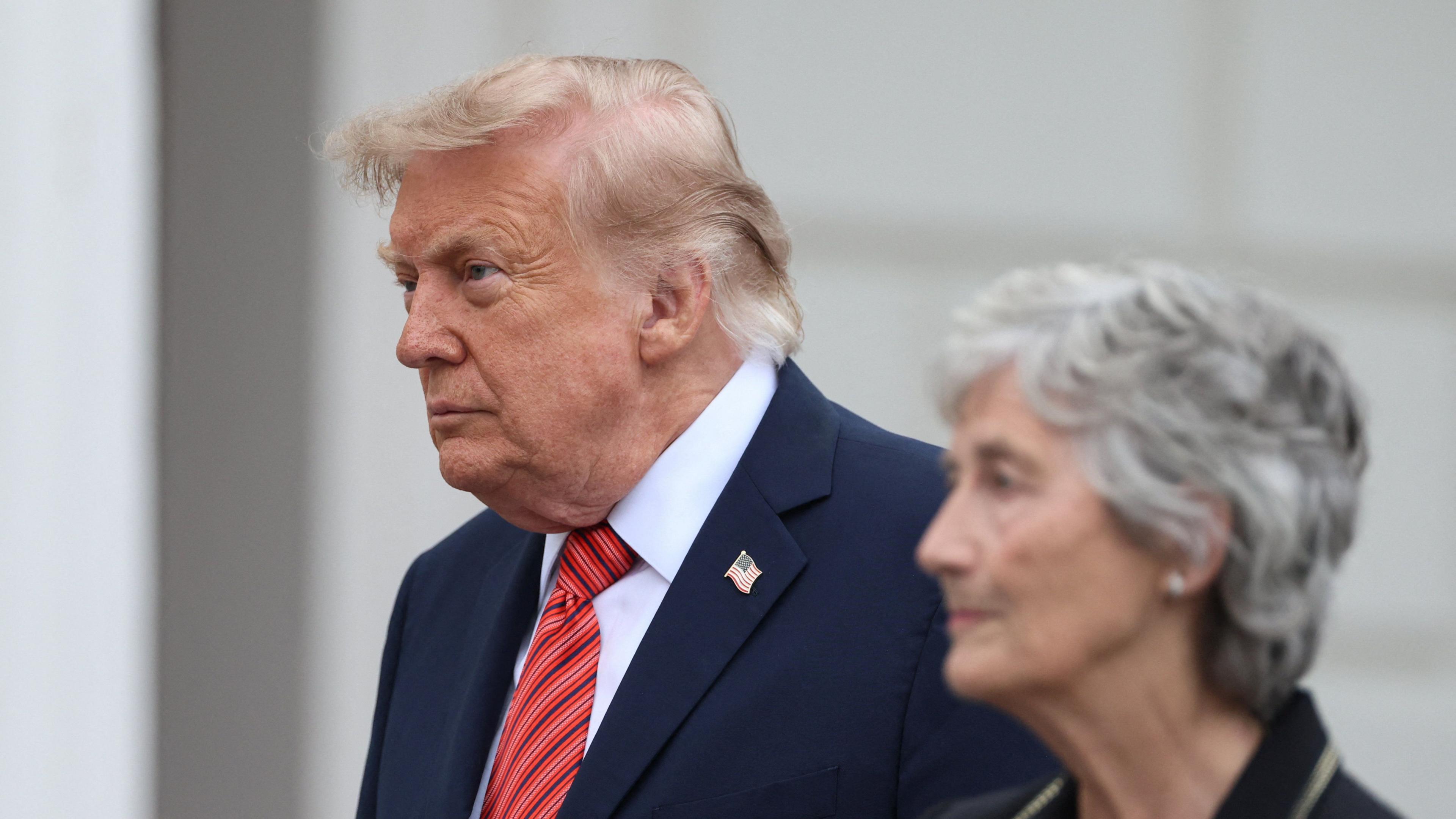
Under former US President Donald Trump's administration, there has been a notable pivot away from multilateralism towards a rise in great-power politics, which subsequently has diminished Africa's attention on the global stage. The updated security strategy from the White House indicates that not all regions can receive equal priority, suggesting a reduced focus on Africa.
This evolving paradigm has raised alarms among African leaders, leading to urgent discussions on how to best engage with international partners while maintaining collective bargaining power. Tighisti Amare from Chatham House warns that the absence of a cohesive strategy might leave African countries behind in this new global order.
In reaction to the US's approach, which focuses on bilateral deals rather than collective benefits, experts highlight the potential disadvantages that African nations may face in these negotiations. Partnerships are often centered around individual countries rather than fostering a continental approach, which may undermine Africa’s overall negotiating power.
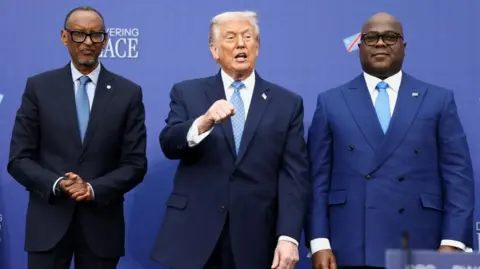
While nations like the Democratic Republic of Congo are engaging in private deals regarding their mineral resources, it begs the question of whether the continent is capitalizing effectively on its rich resources or being taken advantage of through poorly negotiated agreements.
Ghana's President John Mahama's calls for a continental reset and collaboration with global middle powers underscore a growing desire among African leaders for a collective and proactive approach moving forward. As regional and global interests shift, leaders are encouraged to prioritize cooperation and strategic partnerships that could enhance Africa's standing and power in international negotiations.
Nevertheless, there remains a significant amount of work needed to leverage these shifts in global policy effectively. The invitation for Africa to the negotiating table is imminent; however, its readiness to claim that seat is yet to be determined.