The Rise of Drone Warfare Among Jihadist Groups in West Africa
Jihadist groups are increasingly carrying out drone strikes in West Africa, raising alarm that they are building the capability to wage a 'war from the skies'.
A leading violence monitoring organization, Acled, has recorded at least 69 drone strikes by an al-Qaeda affiliate in Burkina Faso and Mali since 2023, while two Islamic State (IS) affiliates have conducted approximately 20, predominantly in Nigeria, which has battled various insurgent groups for nearly a quarter of a century.
The latest drone assault occurred on January 29 in Nigeria's Borno state, where jihadists executed a dual strike involving armed drones and ground fighters on a military base. The Nigerian military reported nine soldiers were killed in the attack perpetrated by the Islamic State of West Africa Province (Iswap), identified as the most prolific IS affiliate in drone warfare on the continent.
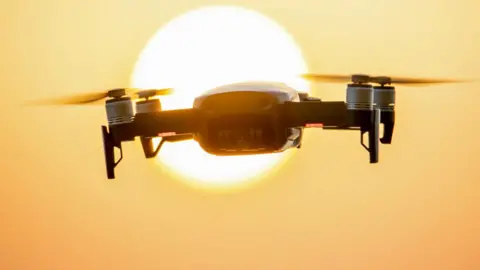
These jihadists typically utilize commercially available, relatively inexpensive quadcopter drones that are rigged with explosives. They also employ these drones for reconnaissance and surveillance before launching ground attacks, as highlighted by Acled senior Africa analyst Ladd Serwat.
Despite the Nigerian government's strict controls on drone imports, the militants have managed to acquire these devices through smuggling operations across the region's porous borders, according to Malik Samuel, a researcher at Good Governance Africa.
The increased usage of drones by extremist factions is a troubling development, marking a significant paradigm shift in their operational methods, states security analyst Audu Bulama Bukarti. Drones not only minimize operational costs but also enable militants to gather intelligence with reduced risk, facilitating strikes on military positions previously deemed inaccessible.
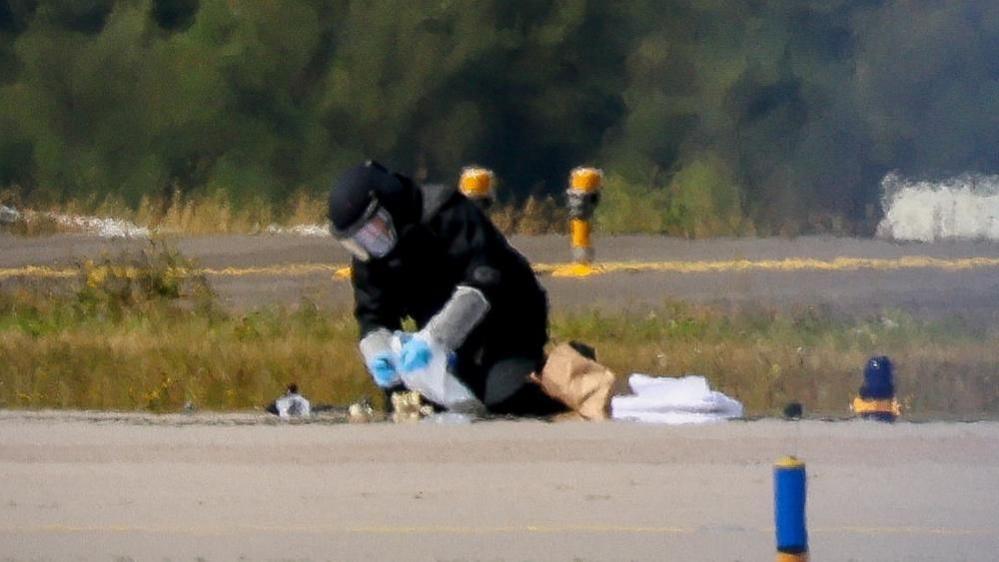
Since 2024, Iswap has performed 10 drone strikes across northeast Nigeria, as well as in northern Cameroon, southern Niger, and southern Chad. A similar trend is observed with a different IS faction, the Islamic State of Sahel Province (ISSP), which also executed drone assaults, including a recent attack on Niger's international airport.
JNIM, the al-Qaeda-affiliated group, has carried out the highest number of strikes, with 69 documented attacks in Mali and Burkina Faso, alongside one in Togo. Analysts indicate that JNIM's drone capabilities have rapidly advanced, underscoring a concerted effort to expand their operational capacities.
As the jihadists refine their use of drones, including first-person view (FPV) systems for precise targeting, experts caution that without substantial counter-drone measures and proactive military strategies to neutralize drone infrastructure, these groups could further enhance their capabilities, escalating regional instability.
Ultimately, the focus on this evolving threat is necessary for effectively addressing the challenges posed by these violent extremists in West Africa.