Four people have been arrested on suspicion of facilitating a suicide bombing that killed more than 30 people on Friday, Pakistan's interior minister has said.
Mohsin Naqvi said an Afghan national who is alleged to be the mastermind behind the attack was among those detained. One counter-terrorism officer was killed and three more were wounded in the raids to arrest the suspects, he added.
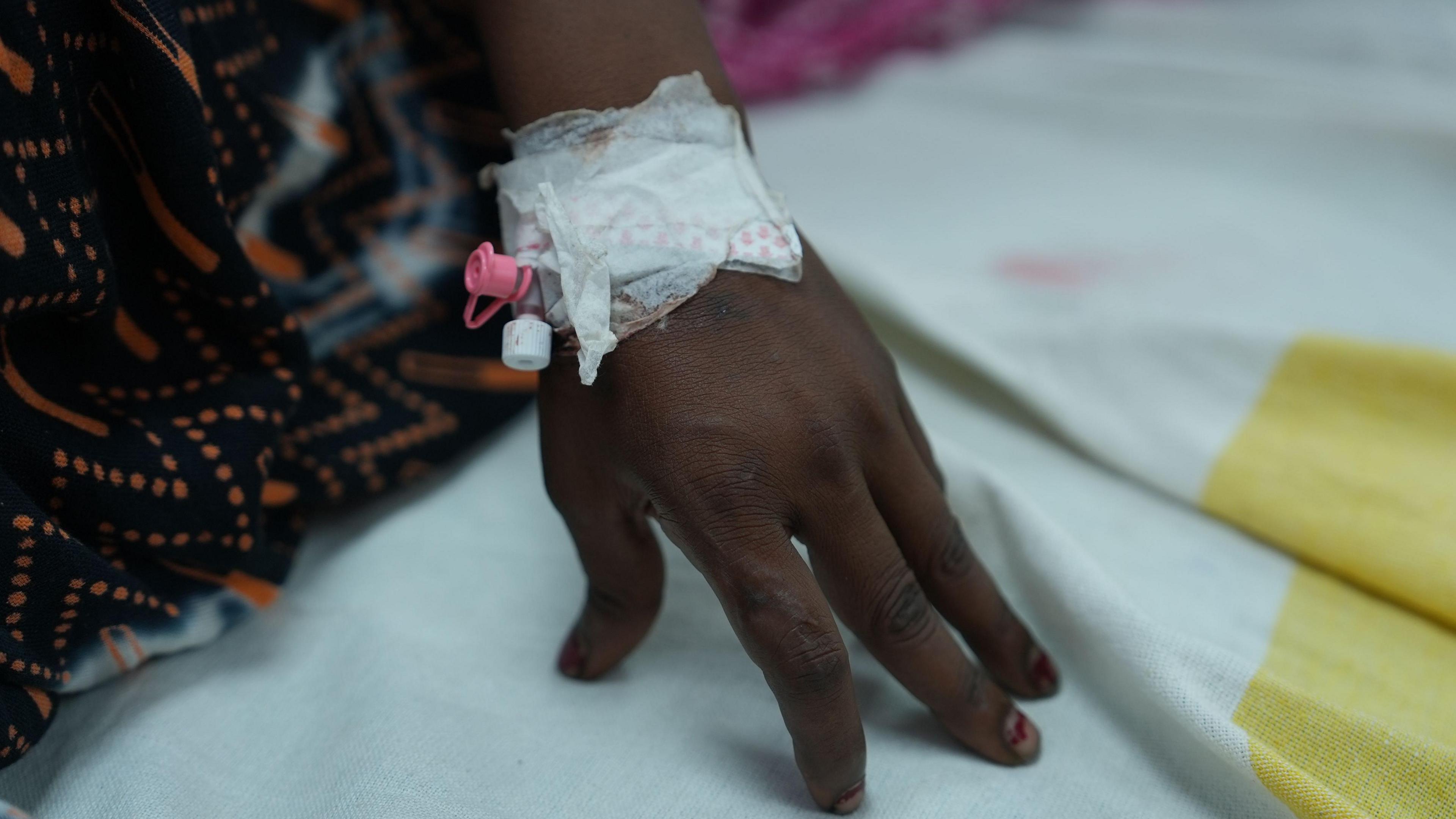
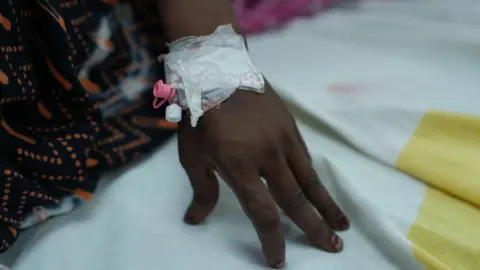
The Islamic State group has claimed responsibility for the bombing that targeted Friday prayers at the Shia mosque in the Tarlai area, when it was packed with worshippers. More than 160 people were injured in the blast, which was the deadliest in the capital for more than a decade.
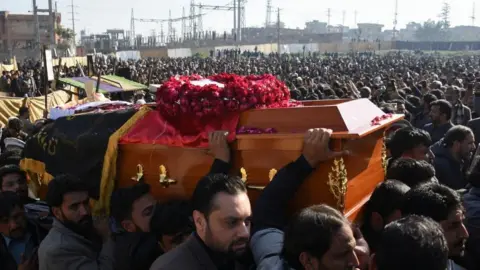
Huge crowds were seen in the city on Saturday, as thousands of mourners gathered for the funerals of the bombing's 32 victims. Funeral prayers took place amid tightened security, with soldiers standing guard and police checkpoints set up in key areas.
Ashiq Hussain, who lost his 21-year-old nephew Mujtaba Ali in the attack, told the Reuters news agency his family was broken. Condemning the attack on Friday, Pakistan's Prime Minister Shehbaz Sharif expressed deep grief. The country's President, Asif Ali Zardari, said targeting innocent civilians is a crime against humanity.
Eyewitnesses and survivors of the blast have described how the attack unfolded, with one noting a loss of senses in the chaos and others witnessing bodies lying everywhere.
Naqvi has accused India of funding those behind the attack and giving them targets. The Indian foreign ministry condemned the bombing, rejecting accusations of involvement as baseless. Pakistani Defence Minister Khawaja Asif suggested potential Afghan involvement, a claim dismissed by the Afghan Taliban government as regrettable without evidence.
In response to the attack, Naqvi has pledged to enhance security measures in Islamabad, including recruiting more police officers and improving the city’s security systems.
Attacks in the capital are relatively rare, although the recent blast follows a week of violence that resulted in 58 civilian deaths in coordinated attacks in Balochistan province. The Balochistan Liberation Army claimed responsibility for those attacks.