Unraveling Nigeria's Alleged Coup: Power, Influence, and the Nollywood Connection
For months, rumors and secrecy have surrounded last year's alleged Independence Day coup plot in Nigeria. The recent indictment of six civilians marks the first public disclosure of details surrounding what is described as an elaborate scheme to oust President Bola Tinubu.
Set to occur on October 1, 2025, the day of Nigeria's 36th independence anniversary, the plot was foiled after the government abruptly canceled the celebratory parade. Previously, the military hinted at a thwarted coup when they announced court-martial proceedings against sixteen unnamed senior officers in January.
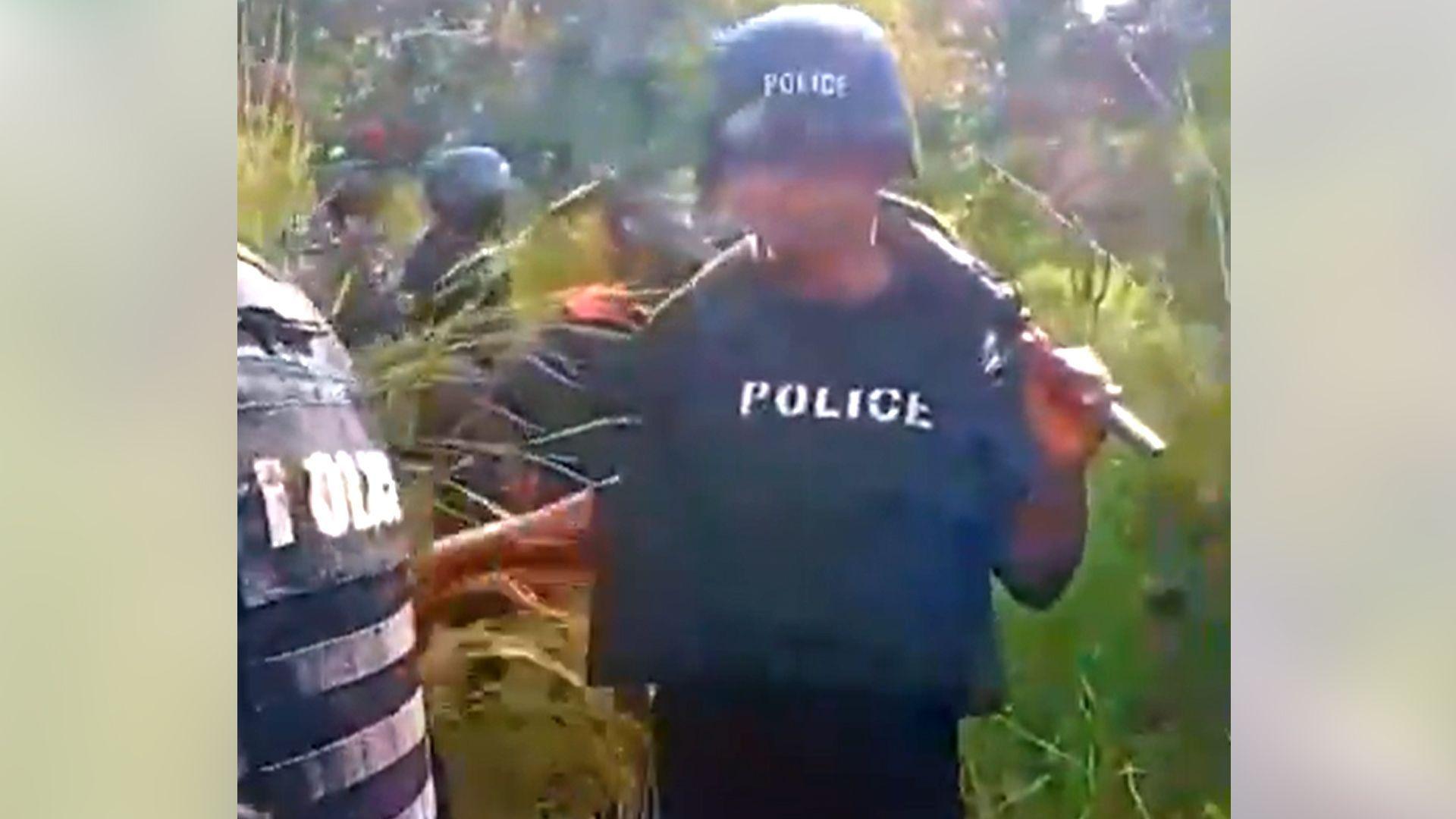
The court documents reveal the alleged mastermind behind the coup to be Colonel Mohammed Ma'aji, a figure whose connections to Nigeria's political landscape have come under scrutiny. The six defendants are civilians, including a serving police officer and retired military personnel, who are facing thirteen charges related to the conspiracy, including treason and terrorism.
Nigeria's history of military takeovers complicates the current political climate. With countries in West Africa experiencing a resurgence in coups, Nigeria remains precariously balanced amidst rising economic distress and allegations of a politically rigged system favoring an elite few.
The Plot’s Architect
Colonel Ma'aji, born in Niger state, is reported to have developed crucial ties with influential oil businessman and former governor, Timipre Sylva. Investigators suggest that Sylva may have significantly financed the coup attempt, with his name appearing on the charge sheet multiple times. Although currently at large and not officially indicted, Sylva's alleged involvement paints a broader picture of the political machinations at play.
Financing the Coup
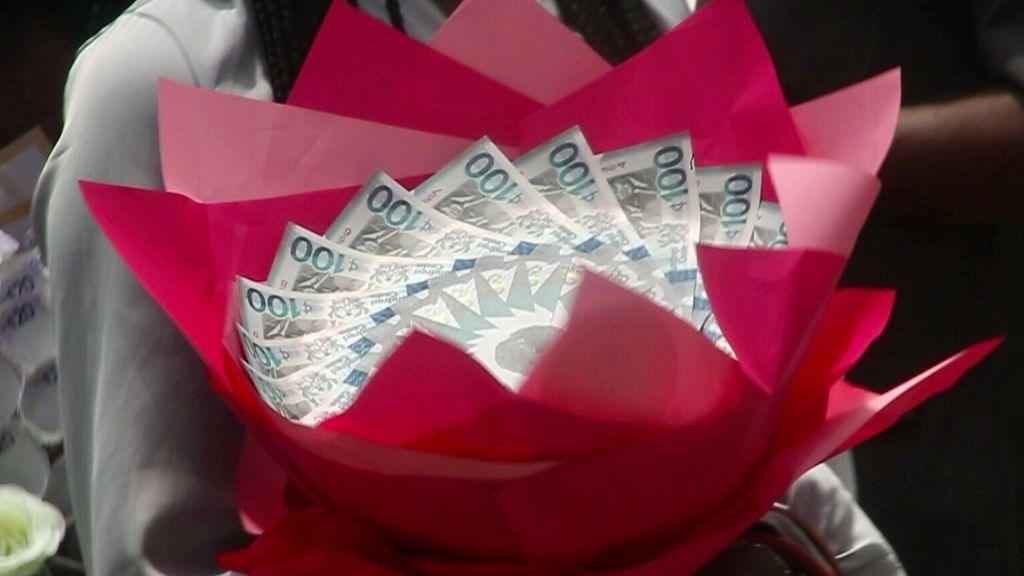
According to military investigators, money was essential for the operation's execution. It's been claimed that intermediaries received large sums, with amounts cited between 2 million naira (£1,000) to 50 million naira (£27,500), suspected to be proceeds from unlawful undertakings.
Day of the Coup
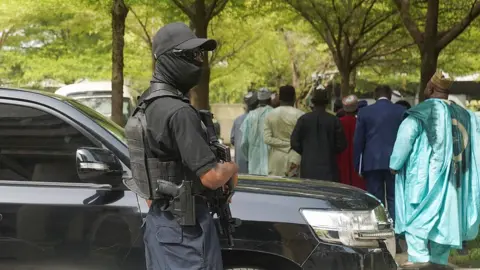
Though exact details remain under wraps, it is understood that the plotters intended to storm the Aso Rock presidential villa, leveraging insider knowledge to navigate one of Nigeria’s most fortified establishments. Further claims suggest plans to detain key political figures, including President Tinubu.
Nollywood Involvement
Adding a twist to the unfolding drama, reports have emerged concerning Nollywood director Stanley Amandi, who was allegedly hired as a propagandist to garner public support for the military takeover.
As the trial unfolds, questions loom about the extent of the conspiracy and the potential involvement of more players, signaling a critical juncture in Nigeria's political narrative. The nation watches closely as it navigates unprecedented allegations that pose a serious threat to its democratic fabric.