Iran Enhances Nuclear Security with Underground Complex Fortifications
Recent satellite imagery has revealed that Iran is actively fortifying an underground complex situated near one of its nuclear facilities. This activity comes amid increasing tensions with the United States, particularly with regard to ongoing negotiations over Iran’s nuclear program.
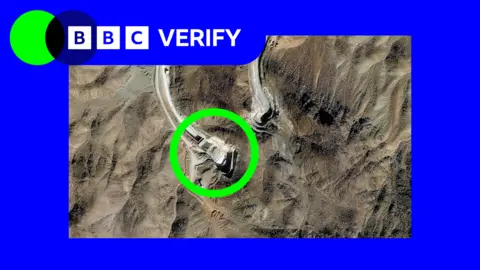
According to the analysis conducted by the Institute for Science and International Security (ISIS), the satellite photos indicate that tunnel entrances at Mount Kolang Gaz La, or Pickaxe Mountain, are currently undergoing significant reinforcement.
Experts surmise that this facility may serve to protect Iran's uranium enrichment activities or vital equipment, although the precise purpose and operational status of the facility remain ambiguous.
Iran maintains that its nuclear program is aimed solely at peaceful purposes and denies any intentions of developing nuclear weaponry. However, U.S. officials, including former President Donald Trump, have voiced concerns, suggesting that Iran could be on the brink of developing nuclear capabilities.
In June 2025, Trump ordered airstrikes on Iranian nuclear sites, citing that Iran was close to acquiring a nuclear weapon. Although some sites were targeted, Pickaxe Mountain, where fortifications are underway, escaped strikes, leaving its activities under scrutiny.
Additional satellite imagery has also shown defensive and restorative actions being taken at the Natanz and Isfahan nuclear sites, hinting at heightened security measures throughout Iran’s nuclear infrastructure.
The ongoing construction work, illustrated through imagery, suggests Iran is preparing its facilities for potential military operations against external threats. Experts argue that bolstering these structures may provide added protection against aerial bombing, as heavy machinery is reportedly still present at the site.
As talks regarding a new nuclear agreement continue, officials stress the urgency of understanding Iran's advancements in nuclear technology and the implications for regional security.