Geopolitical Tensions Rise Over Iran's Kharg Island
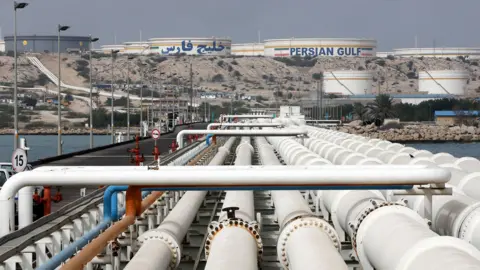
Recent statements by U.S. President Donald Trump have shed light on a potential shift in American military strategy regarding Iran, focusing particularly on Kharg Island. This small island off the Iranian coast is home to a major oil terminal considered crucial to Iran's economy.
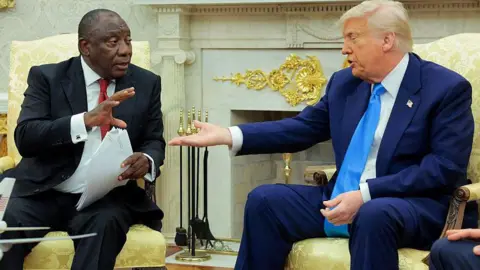
In an interview with the Financial Times, Trump revealed his thoughts on possibly seizing the island, stating that doing so would require a sustained military presence. Maybe we take Kharg Island, maybe we don't. We have a lot of options, he stated. Trump's comments followed claims that U.S. forces had obliterated military targets on the island while avoiding strikes against its oil infrastructure.
The strategic importance of Kharg Island cannot be overstated; approximately 90% of Iran's crude oil exports are routed through its facilities. With a reported ability to cripple Iran's oil exports, control over the island would undeniably affect Iran's economic capabilities.
Recent reports have suggested that the U.S. administration is contemplating more aggressive actions, including a possible occupation or blockade of the island as part of broader efforts to reopen the Strait of Hormuz, a vital maritime route for global trade.
In preparation for any potential conflict, Pentagon officials and military analysts have considered various operational strategies for U.S. forces should they advance into the area. However, the U.S. has been cautious about targeting the island's oil infrastructure to prevent severe escalation in the ongoing conflict, which could lead to soaring global oil prices.
On the Iranian side, military officials have issued warnings in response to U.S. threats, emphasizing that any incursion would be fiercely resisted by Iranian forces. As tensions mount, both nations are reinforcing their strategies, with Iran reportedly enhancing its defenses around Kharg Island.
As the situation develops, all eyes remain on Kharg Island, a small but pivotal piece in the complex chess game of Middle East geopolitics.