US-Israel Relations: Examining Trump's Stance on Iran After Escalating Tensions
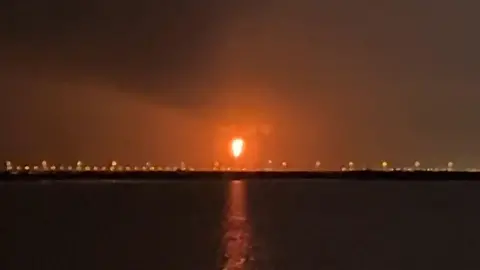
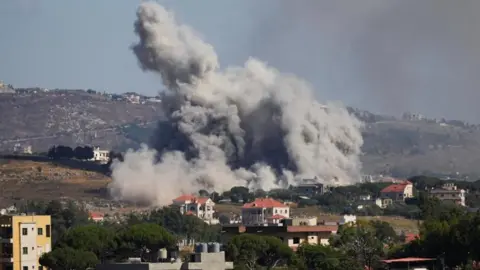
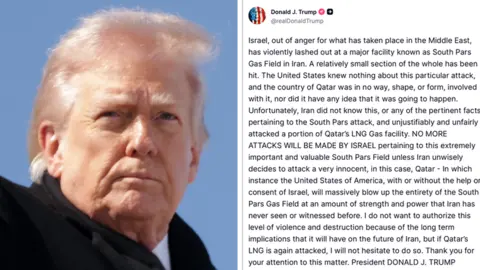
US President Donald Trump issued a strongly worded statement following the recent attacks on a significant gas field shared by Iran and Qatar. Israel targeted Iran's South Pars gas field, prompting Tehran's retaliation against a Qatari energy complex, which has led to spikes in energy prices and increased tension.
On his Truth Social platform, Trump expressed his surprise over the attack, stating that the US 'knew nothing about this particular attack,' contradicting reports suggesting prior US involvement. This contradiction raises serious questions about the degree of coordination between the US and Israel.
In analyzing Trump's language, his description of Israel's actions as a violent reaction suggests his discomfort with their methods, which deviates from a diplomatic approach typically expected from an ally. Furthermore, he imposed limitations on Israeli actions, emphasizing that 'NO MORE ATTACKS WILL BE MADE BY ISRAEL' unless provoked by Iran, indicating a possible rift in their military partnership.
Despite Trump's claims of a lack of knowledge regarding Israeli plans, Israeli leaders, including Prime Minister Benjamin Netanyahu, assert an alignment in approach, seeking to portray unity in their combat strategy against Iran. However, ongoing comments from various Israeli officials hint at potential divergences in long-term objectives regarding regime change in Iran.
As the situation unfolds, Trump's threatening rhetoric regarding Iran reveals an inclination towards a more aggressive stance should hostilities continue. However, the complexities surrounding the conflict suggest that aligning military goals may be more challenging than initially perceived.
The developing narrative between the US and Israel amidst the Iran war will be critical to watch, particularly how it shapes future diplomatic relations and military strategies.