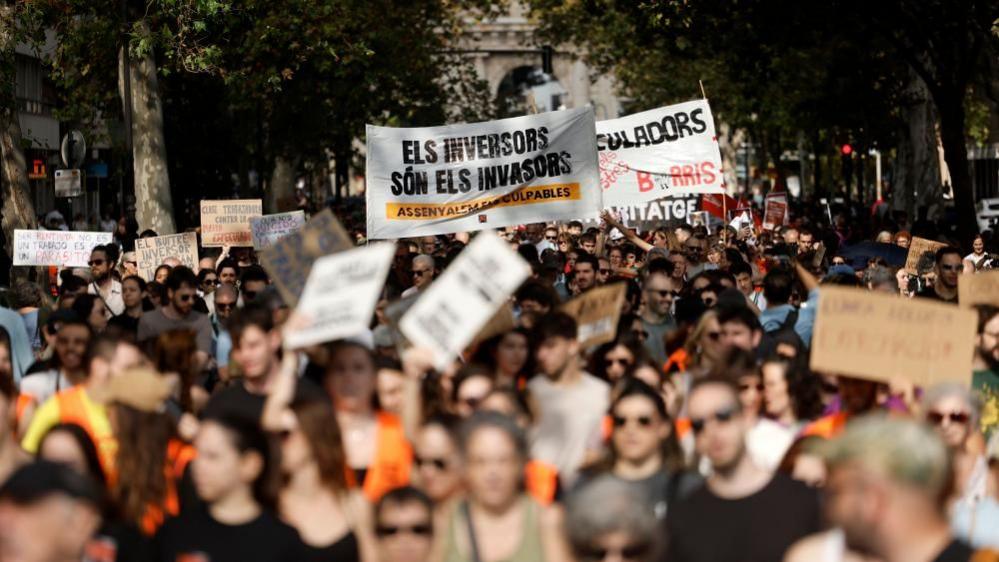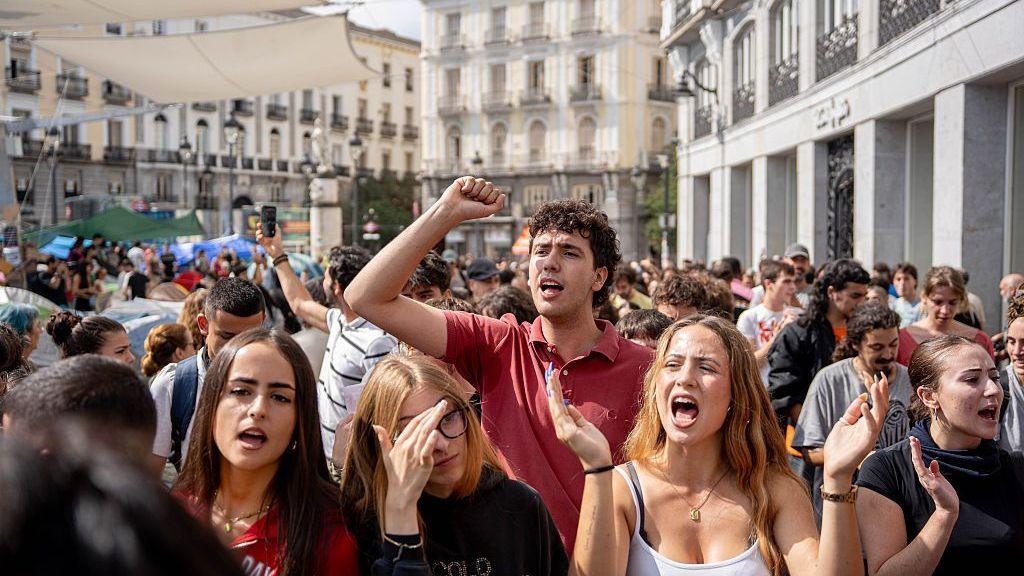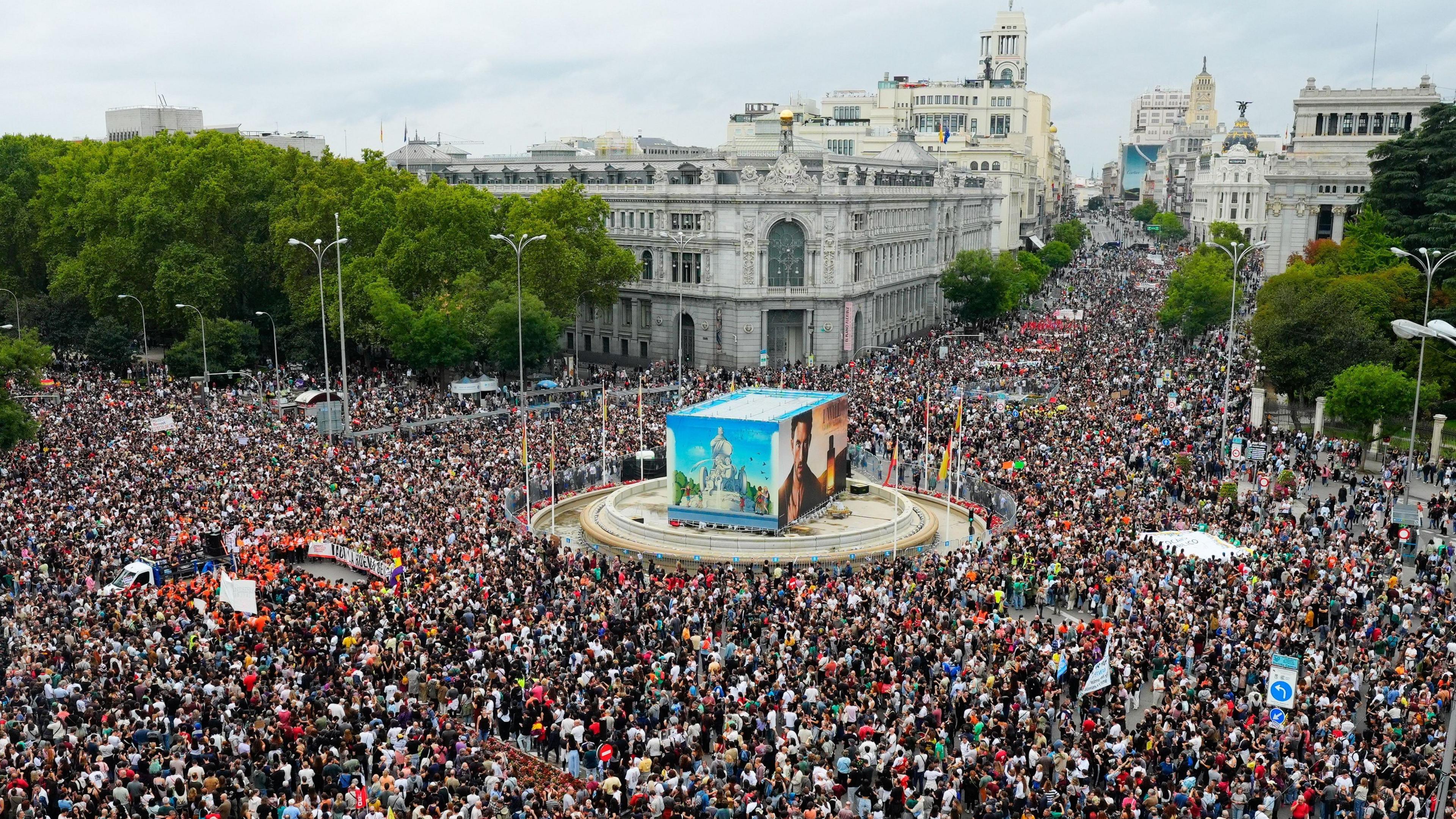
Tens of thousands of people flooded Spain’s streets on Saturday, chanting for stronger tenant protections after the government failed to pass emergency housing legislation.
About 50 marches were held across the country, with large crowds in Madrid, Valencia and Barcelona. In Madrid, organisers claimed up to half a million demonstrators, while the city’s administration counted about 70,000 participants.
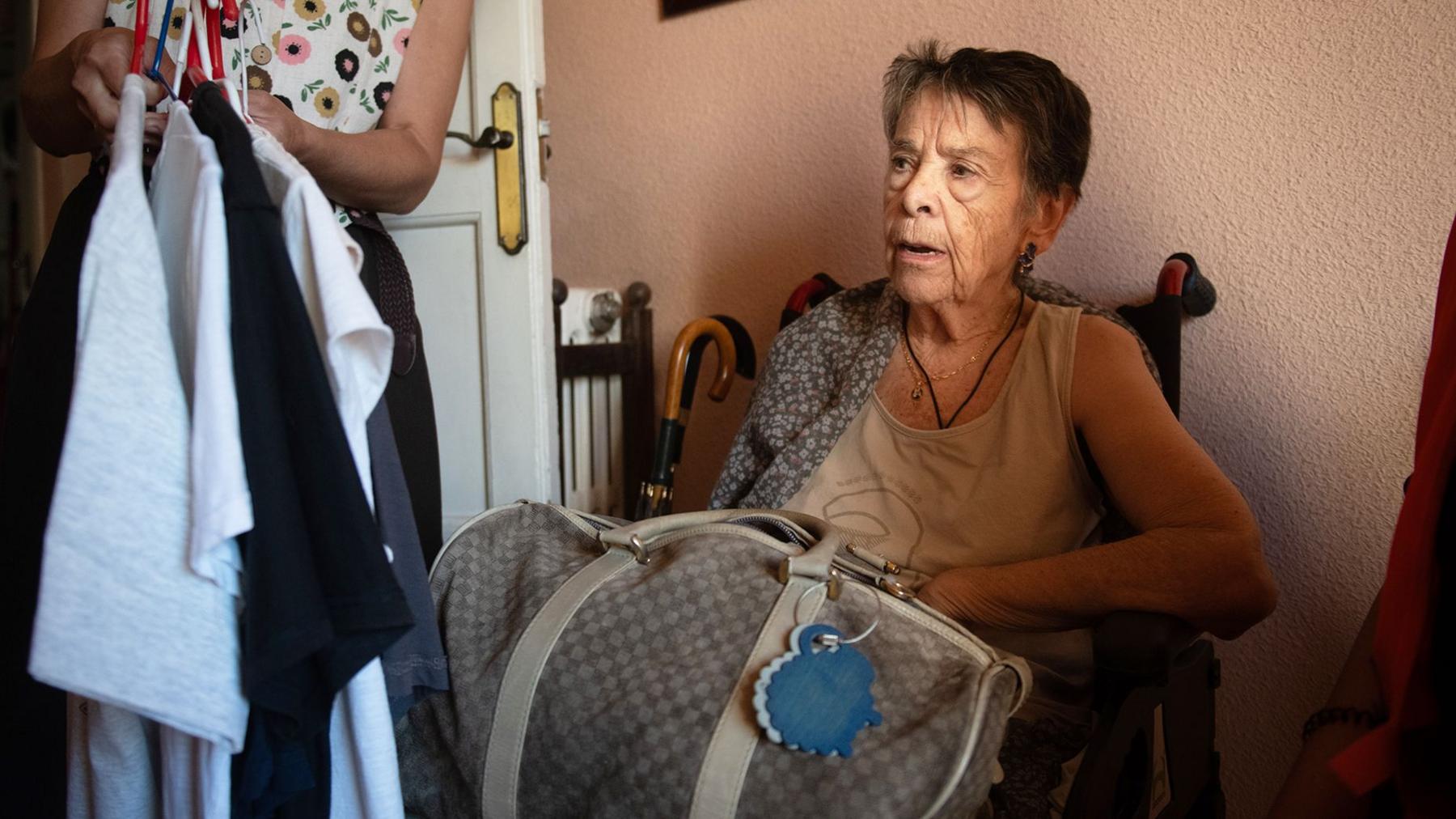
The protests were sparked by the eviction of 87‑year‑old Maricarmen Abascal from her Madrid flat after a steep rent increase. The eviction sent shockwaves through the housing sector and triggered nationwide calls for lower rents, an end to evictions, and a ban on investment funds buying residential property.
Clashes broke out in Valencia near the Palau de les Arts Reina Sofía, where police used rubber bullets after protesters removed barriers and threw objects. Nine officers were reported injured and five arrests were made.
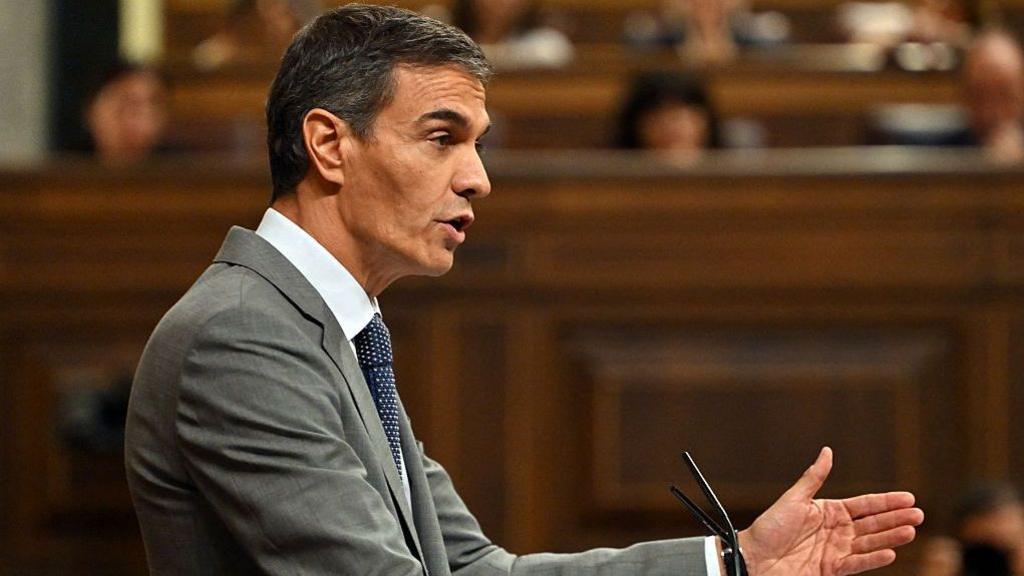
The government’s last‑minute decrees—suspending evictions of vulnerable tenants until 2030, extending leases, taxing tourist apartments and restricting “vulture funds”—were rejected by Parliament (178 to 172). The second decree, which would have automatically renewed rental contracts, was also narrowly defeated (184 to 166). With the ruling coalition lacking a majority, the rejection fuels speculation that Prime Minister Pedro Sánchez may call an early general election.

Housing data underscores the urgency: the Bank of Spain estimates a shortfall of 700,000 homes, with rents climbing 9.7% in Madrid and 8.5% nationwide last year. House prices have risen 12.2% over the past 12 months.
Protesters demand a general strike and intense reforms. “We will protest until someone regulates this mess,” said 26‑year‑old librarian Marcos Sainz, who now finds a one‑bedroom flat costing €1,000 per month after paying €900 for a two‑bedroom shared apartment.
The evictions of the elderly woman and a failure to curb speculative property purchases have illuminated a systemic crisis that could reshape Spain’s political landscape as the government braces for potential early elections or a relentless social movement demanding affordable housing.