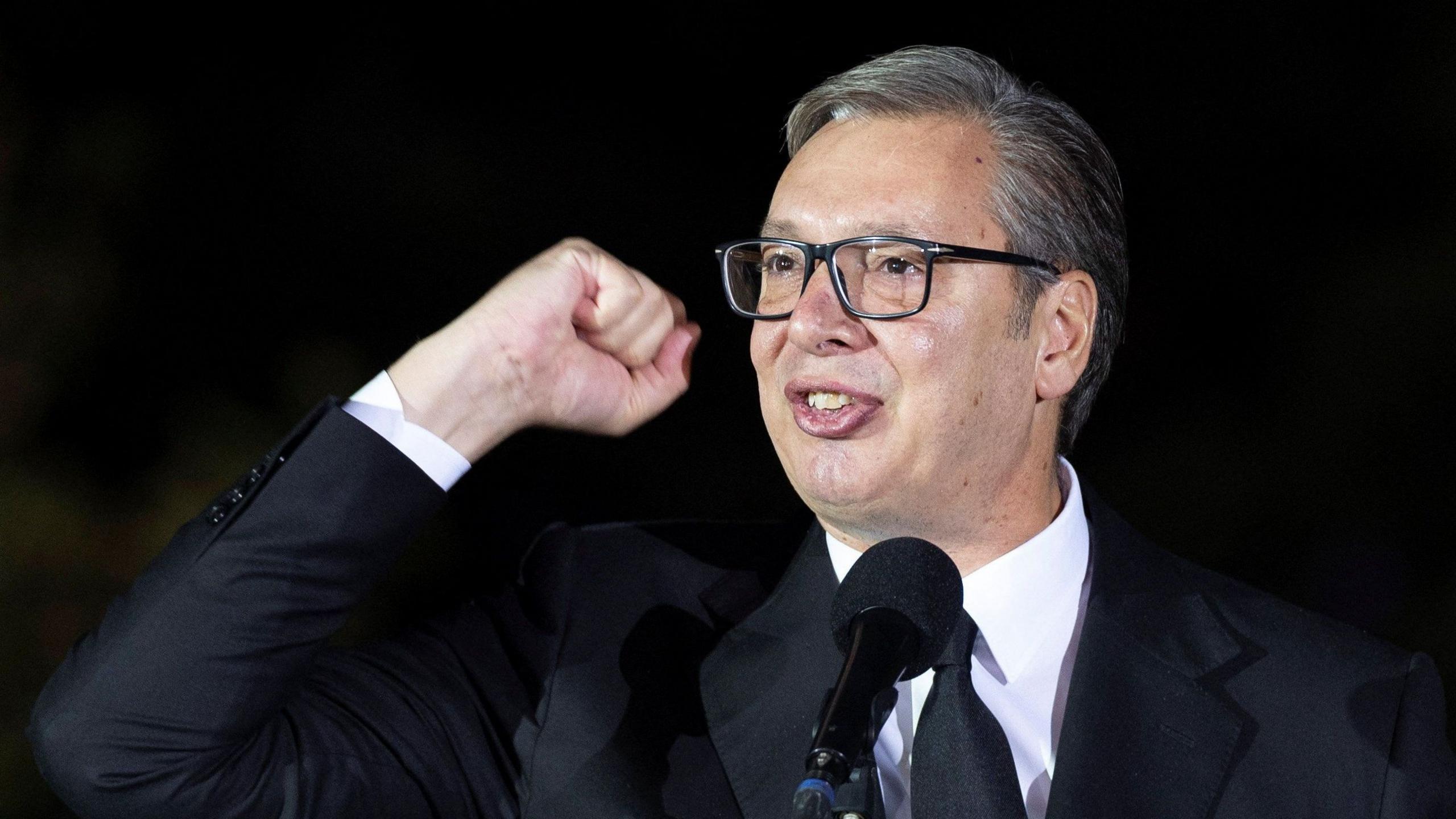
Serbia’s long‑time president, Aleksandar Vučić, has officially resigned after a prolonged period of protests that have highlighted deep public discontent over alleged corruption and governance failures.
Vučić stood outside the presidential building in Belgrade, thanking the crowds while asserting that his nine‑year tenure brought stability to the country.
He had previously announced his resignation in June and will remain the Progressive Party’s candidate for prime minister at the upcoming parliamentary elections; he cannot seek a third presidential term under the nation’s constitution.
The administration, described as pro‑Russian and populist, has faced mounting criticism over cutting corners in public projects, most notably the tragic collapse of the Novi Sad railway station roof in 2024 that claimed 16 lives.
Students, teachers, workers, and farmers joined the demonstrations, believing the disaster and subsequent governmental missteps reflected a wider pattern of corruption under the Progressive Party’s decade‑long rule.
Even after a series of resignations of ministers, protests continued into the summer, escalating into clashes with police over accusations of brutality.
Constitutionally, presidential elections must be held within three months of Vučić’s resignation, meaning Serbs will vote twice before the year concludes.
The parliamentary election is scheduled for late October, followed by a presidential poll more than a month later, while Vučić plans to run for prime minister, maintaining a possible foothold at the top of Serbian politics.
Parliamentary speaker Ana Brnabić, also of the Progressive Party, will serve as interim president until a new leader is elected.
Vučić made use of his powers to pardon 49 individuals, including students and loyalists, citing the tragic events of the past year and a half.
The April election will pit the Progressive Party against the student‑led anti‑corruption movement Students Win and the pro‑Western coalition European Serbia.
Since becoming prime minister in 2014 and president in 2017, Vučić has publicly supported EU accession while maintaining close ties to Russia and welcoming Chinese investment.