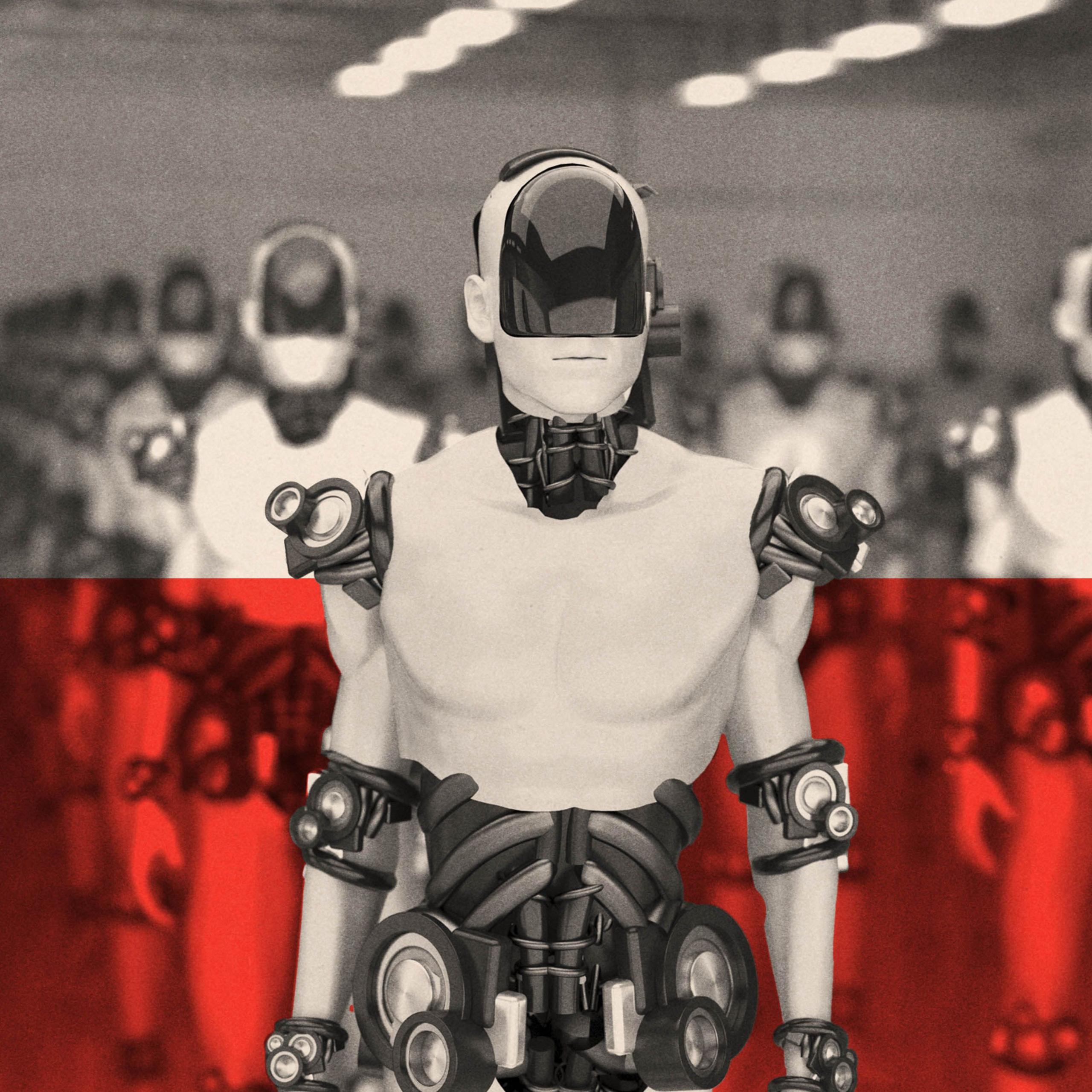
AI Race Intensifies as Trump and Xi Meet

‘Whoever wins AI, wins’—Trump’s blunt stance puts the race at the centre of the summit agenda.
Trump openly sees AI as the pathway to surpassing China, calling the technology a "hoax" against its safety warnings and insisting that U.S. leadership must outpace its rival. The Chinese side, while less overt, likely shares a similar goal, with officials framing AI as a power‑maximiser for national strength.
In practice, U.S. firms such as Anthropic, Google, and OpenAI hold the lead on frontier models; yet China’s DeepSeek model briefly matched the top U.S. benchmark in February 2025, and by March 2026 Anthropic was only 2.7% ahead according to Stanford researchers.
China’s advantage stems partly from lower energy costs—allowing cheaper, high‑power computing—and from a freely downloadable, open‑weight model strategy that has seen releases such as Moonshot AI’s Kimi K3 gain popularity, rivaling U.S. proprietary services.
Safety approaches differ starkly: the U.S. prioritises deregulation to keep labs ahead, stating only a “high IQ” president is needed for guardrails; China stresses human oversight and central guidelines toward data and algorithm use. Both governments consider AI a national existential threat, but for the U.S. the focus is control of capability, while for China it is maintaining domestic stability.
Whether the summit leads to cooperation remains uncertain. The U.S. has dismissed proposals for an industry‑wide slowdown, and calls for a notification system for serious incidents, while China’s officials urge close monitoring of AI risks.
Beijing’s approach emphasizes centrally coordinated guidelines and human control, contrasting with Washington’s libertarian stance on innovation.
In a world where power is increasingly defined by AI, the meeting could shape the next chapter of the global technology contest—determining whether a hegemonic race gives way to cooperative safeguards or escalates into intensified rivalry.