US‑Iran Talks Resume at UN Amid Trump’s ‘Annihilation’ Threat
By Bernd Debusmann Jr and Paulin Kola
On Tuesday, top Iranian and US officials paused their escalating conflict in New York after the US President declared he could “annihilate” the Islamic Republic if a deal failed to materialise. The meeting, the first since the ceasefire in June unraveled, involved Iran’s Foreign Minister Abbas Araghchi, the US envoy Steve Witkoff and Qatari mediators.
Witkoff later told reporters the session, which lasted about three hours, was “very productive” and concluded a round of discussions that “we hope will prove constructive and promising.” No concrete breakthrough, however, was reported.
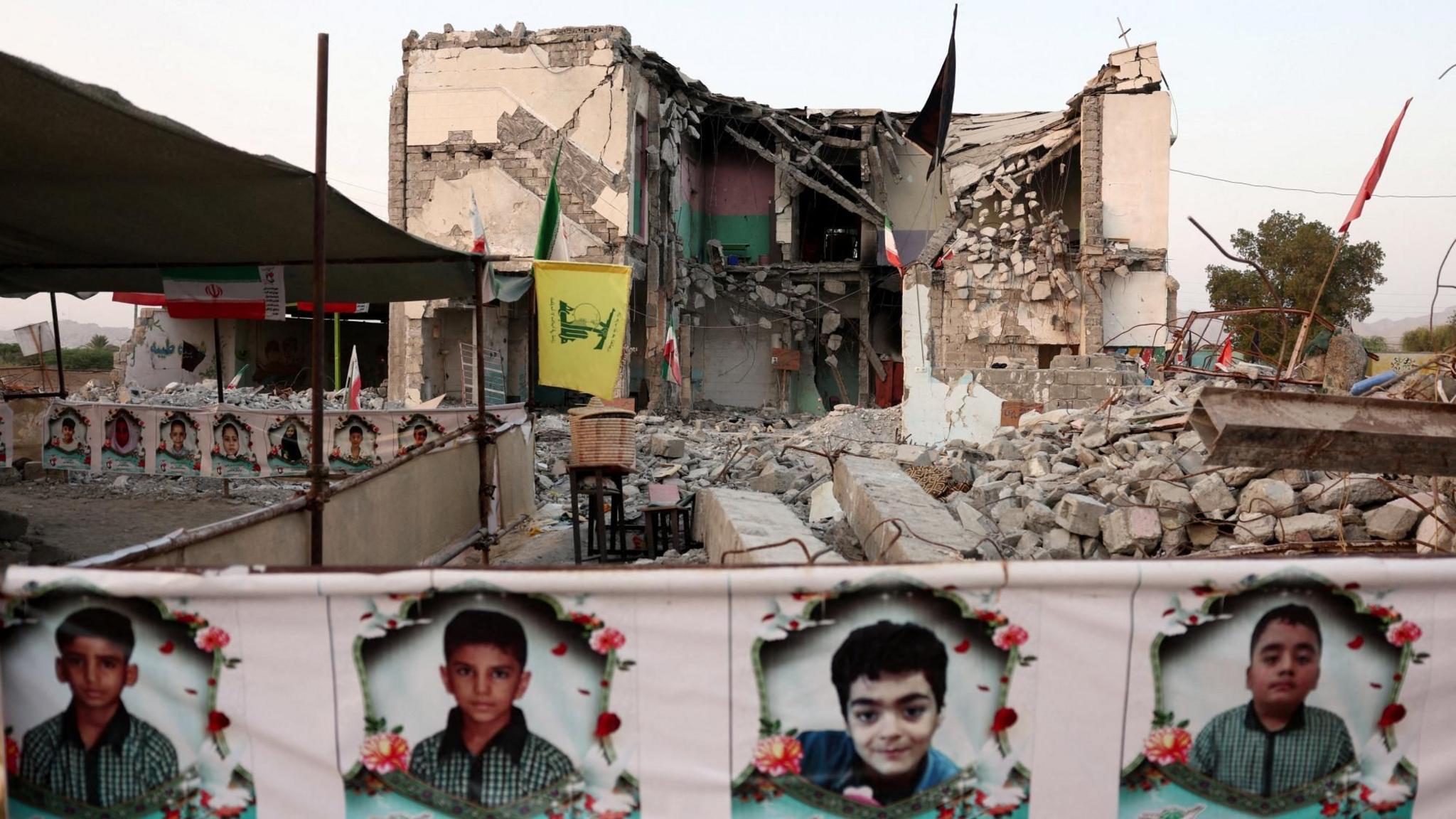
The conflict has already raged on the sea. The US and Israel launched air strikes on Iran on 28 February, prompting Iran to retaliate by hitting Israeli and US‑aligned bases, attacking vessels in the Strait of Hormuz and tightening a blockade on Iranian ports that has rattled the global energy market.
With roughly 20 % of world oil and liquefied natural gas transiting the Strait, its closure has caused sharp price swings and global concern. The US, meanwhile, has threatened sanctions on any nation that continues trade with Iran — a move that could further freeze Iranian revenue.
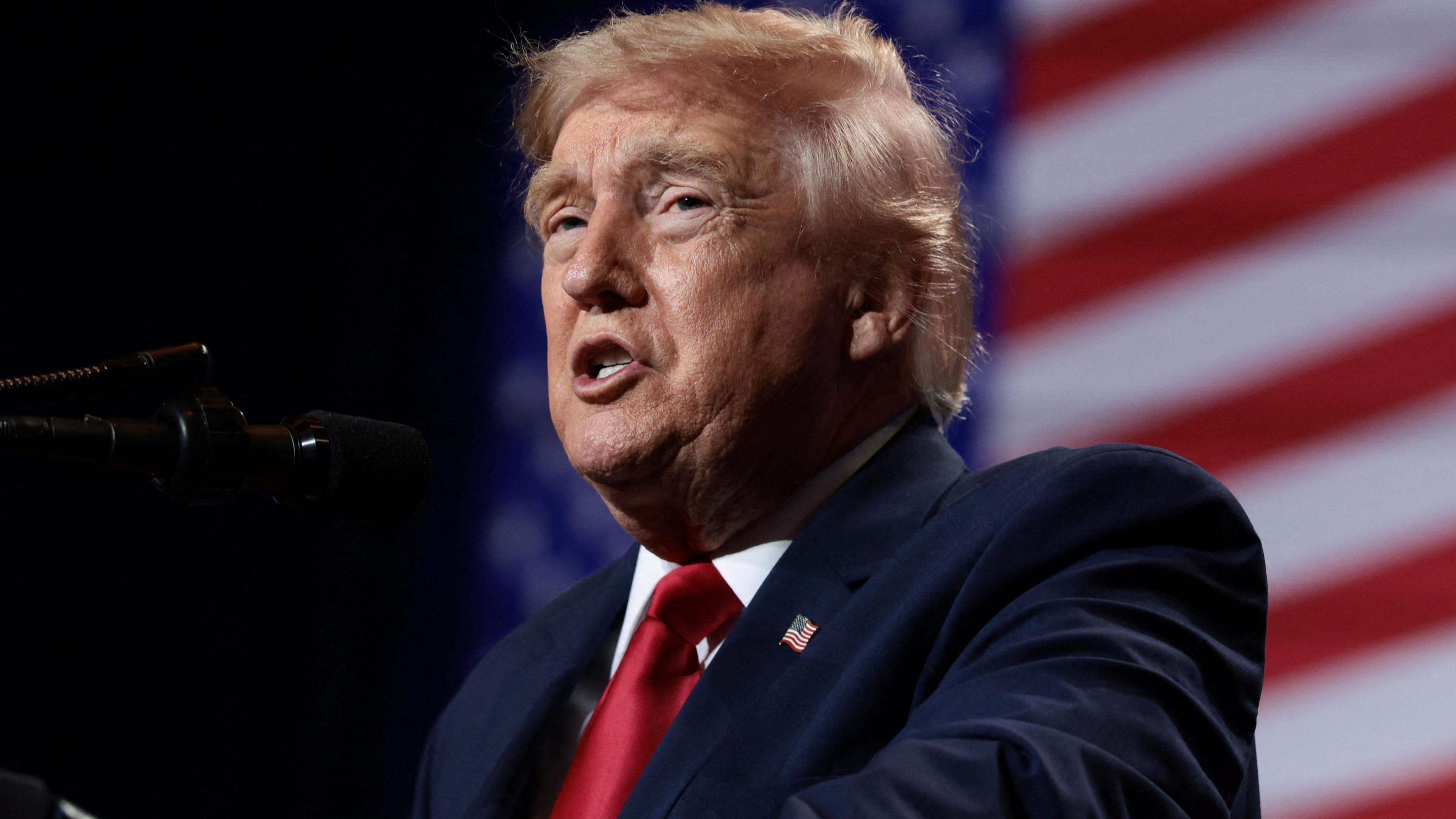
Trump’s speech at the UN, heavily focused on domestic achievements, downplayed the possibility of a negotiated end and instead emphasised the need for a firm stance. He claimed he would nuke the Islamic Republic “quickly” if a robust deal could not be struck, a statement that revived fears of a global escalation.
In the backdrop of the midterm elections, US foreign‑policy strategists are under pressure to bring the conflict to a head. Iran’s demand remains clear: the US must halt its “acts of aggression” and withdraw from the region, a condition that has yet not been accepted.
For now, the Qatari mediated dialogue continues, as both sides wrestle with the economic repercussions and the political calculus that shapes the backdrop of a war that extends beyond national borders.